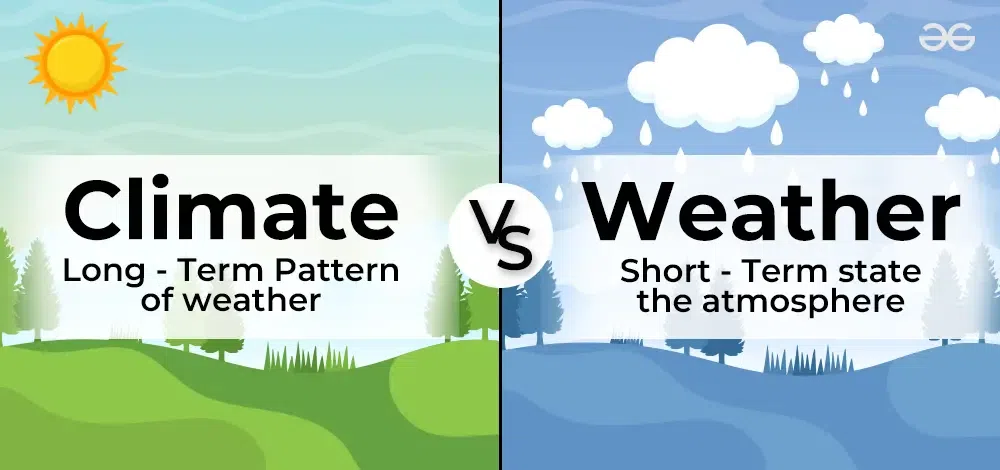
Is Weather The Same As Climate
Hey there, ever found yourself checking the weather app, only to have your plans thwarted by an unexpected downpour or a sudden heatwave? Or perhaps you've heard news reports about "climate change" and wondered how it connects to the wild weather we experience day-to-day? It's a question that often sparks curiosity:
Is weather the same as climate?
It might seem like a simple distinction, but understanding the difference is not only fascinating but also incredibly useful, making sense of our world from your backyard to global headlines.The main purpose of getting clear on this isn't just to sound smart at parties (though that's a nice bonus!). It's about empowering ourselves with a fundamental understanding of how our planet works. Knowing the difference between weather and climate helps us interpret scientific reports, make more informed personal choices, and even appreciate the incredible complexity of Earth's systems. It helps us shift from reacting to daily whims to comprehending larger, more predictable environmental narratives. The ultimate benefit? We gain a clearer lens through which to view everything from packing for a trip to understanding the serious implications of environmental shifts.
Must Read
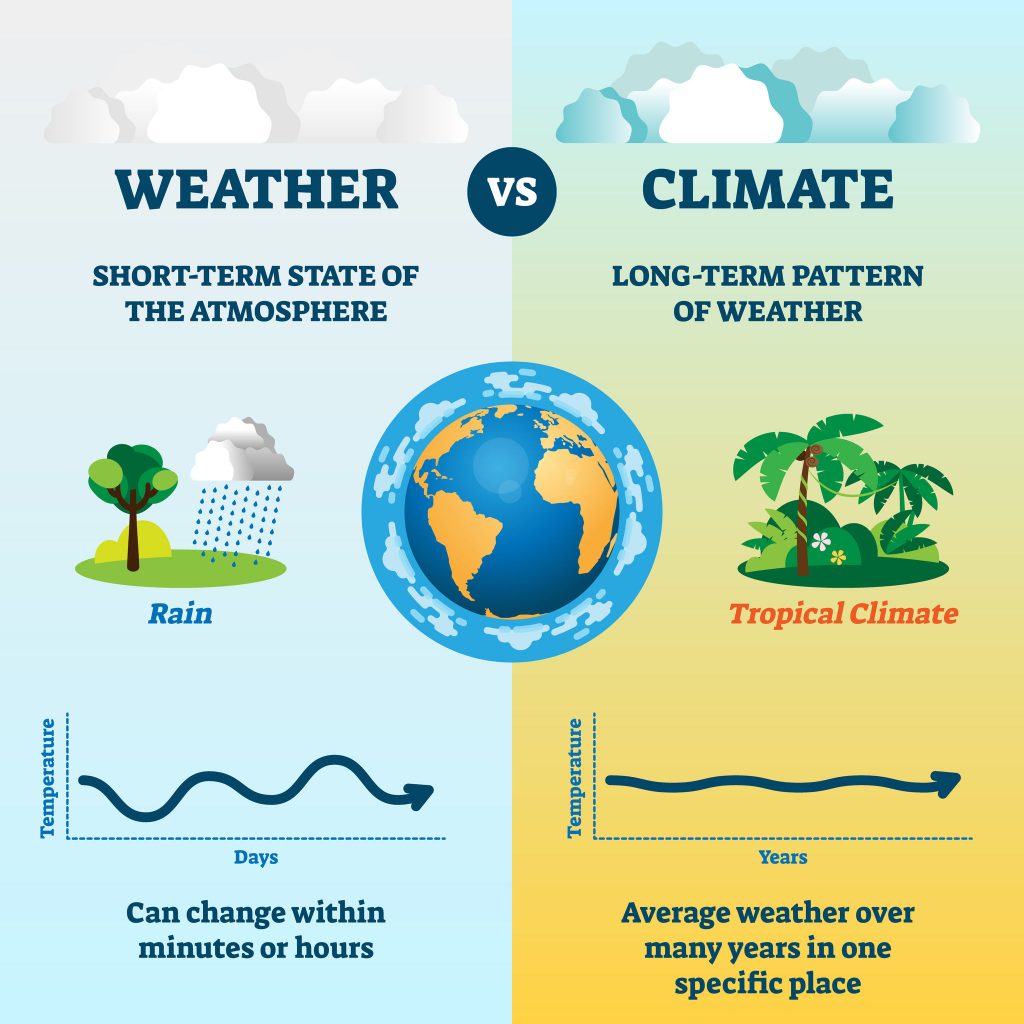
So, let's dive in! Imagine this: Weather is like your mood on a particular day. You might be happy, grumpy, energetic, or tired – it's all about what's happening right now or in the very near future. When we talk about weather, we're discussing specific atmospheric conditions like temperature, humidity, precipitation, wind, and cloud cover at a particular time and place. "It's sunny and 75 degrees in Miami today!" That's weather. On the other hand, climate is more like your personality. It's the general disposition, the
average weather patterns
over along period
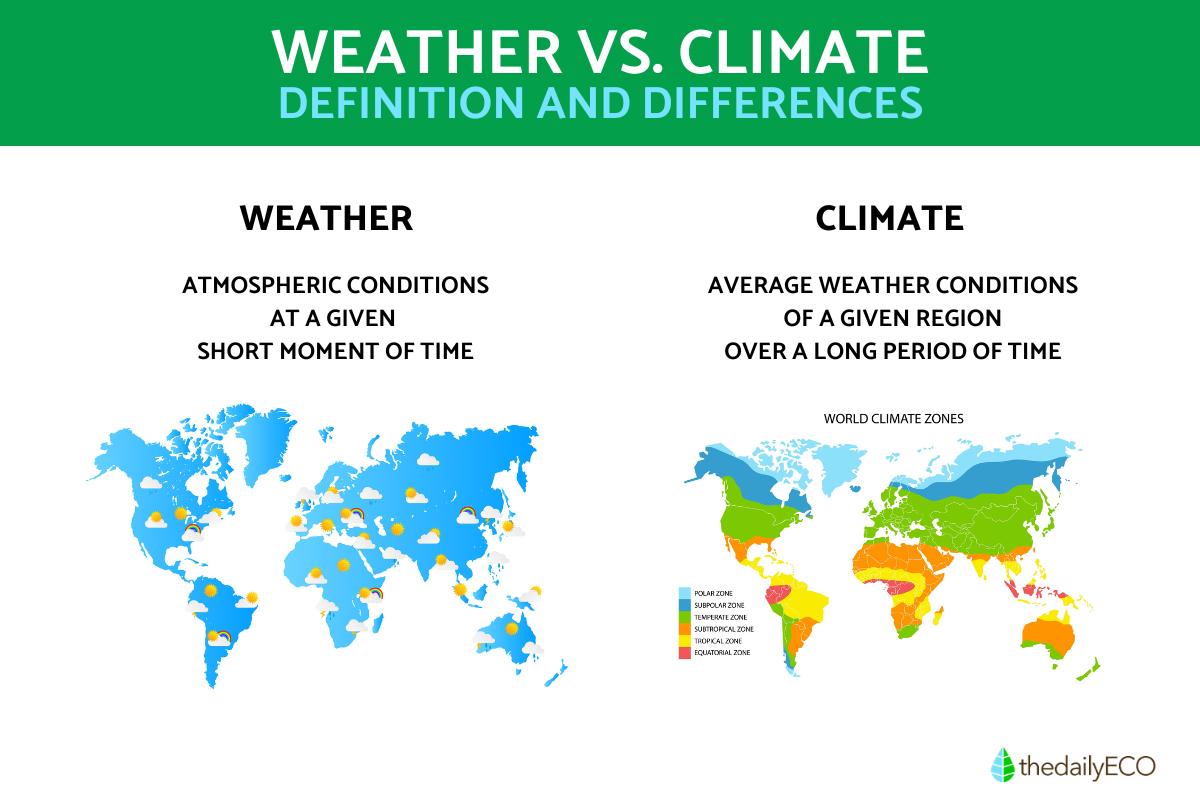
This distinction pops up everywhere! In education, geography lessons explain why deserts are dry and rainforests are wet by teaching about different climate zones, not just daily forecasts. In daily life, understanding climate helps farmers choose appropriate crops for their region or allows city planners to design buildings resistant to typical winds or heavy snow. Thinking about a vacation to the Caribbean in January? You'd consult the
climate
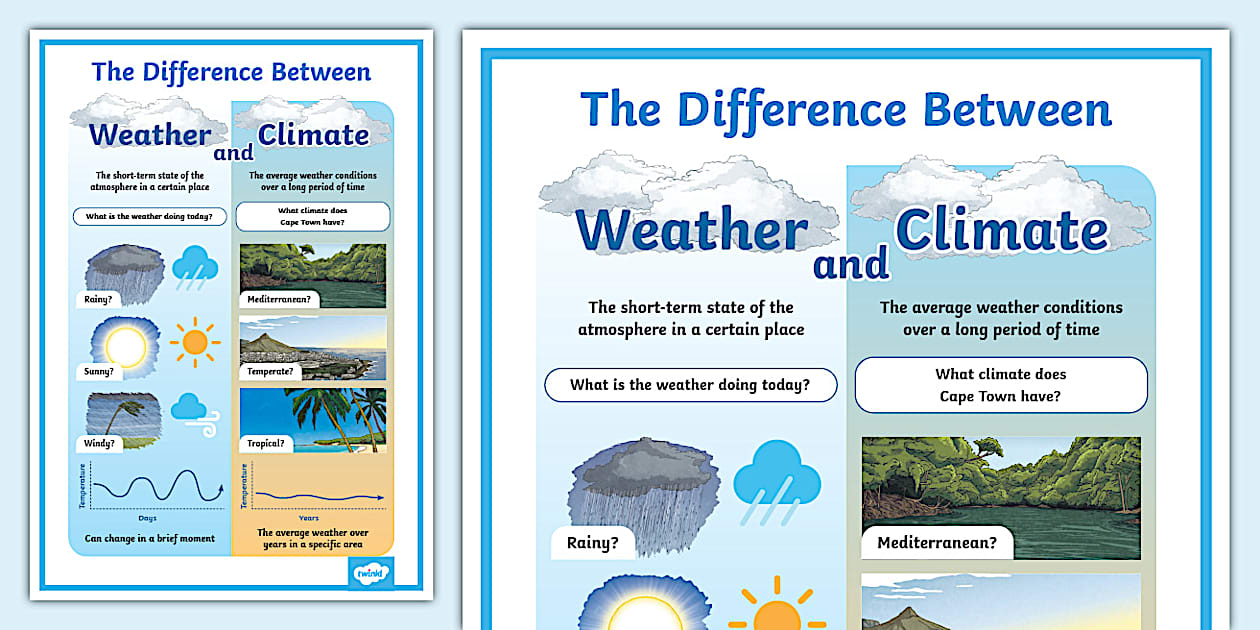
weather forecast
closer to your departure to pack for any specific storms or unusually cool days.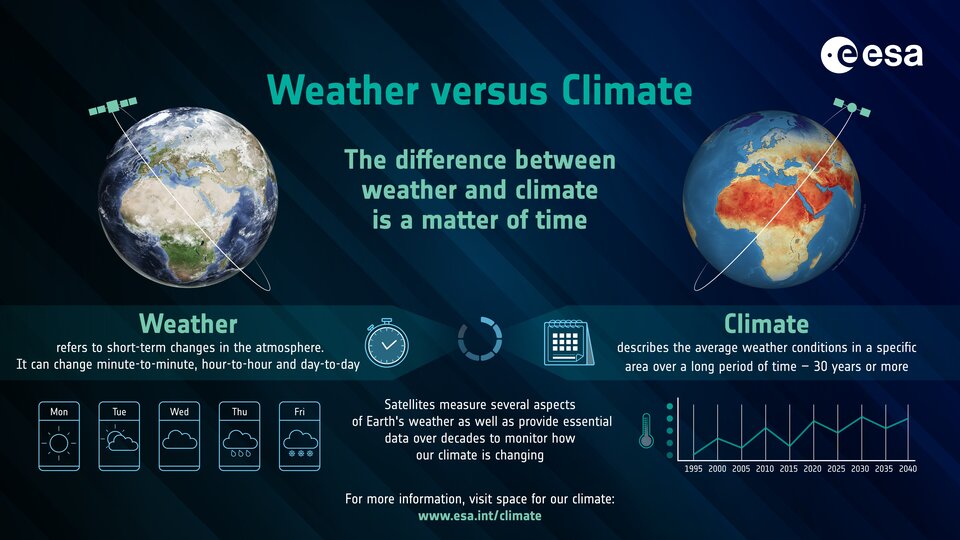
Ready to explore this yourself? It's simpler than you think! One easy way is to become a mini-meteorologist. For a week, keep a simple weather journal: note the temperature, if it's raining or sunny, and any other observations. Then, look up the
average climate data
for your region for that same week or month from a reliable source like a national meteorological service. You'll likely see how your daily observations fit (or sometimes amusingly don't fit!) into the bigger climatic picture. You can also explore online climate maps and compare them to live weather radar. It’s a wonderful way to connect the dots and deepen your appreciation for the dynamic, ever-changing, yet wonderfully patterned world we live in.