
Is Using A Space Heater Cheaper
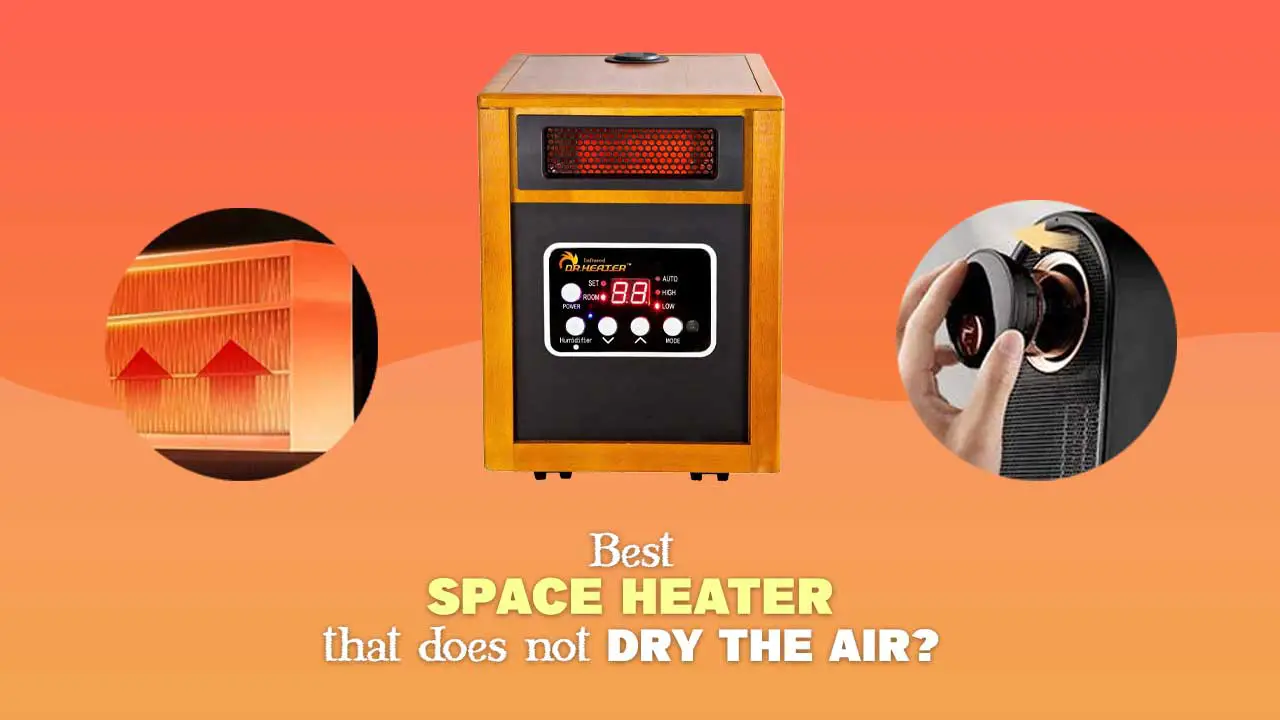
Alright, pull up a comfy chair, grab your favorite hot beverage, and let’s talk about something that plagues us all when the mercury takes a nosedive: the cold. Not just "a bit chilly" cold, but the kind of cold that makes your bones ache, your toes threaten to go rogue and declare independence, and your inner monologue screams, "I just want to be warm!"
And then, like a knight in shining (often plastic) armor, you spot it: your trusty space heater. That glorious little box promising a personal oasis of warmth in an otherwise arctic wasteland. But then the nagging question creeps in, usually whispered by your wallet: "Is using this thing actually cheaper than just cranking up the main furnace?"
The Great Space Heater Debate: Savior or Sneaky Energy Vampire?
Let's dive headfirst into this frosty conundrum, shall we? Because the answer, my friends, is less of a simple "yes" or "no" and more of a "well, it depends on whether you're using it like a genius or like someone who just discovered fire... yesterday."
Must Read
When It's Your Tiny, Toasty Hero (The "Yes, It Can Be Cheaper" Side)
Imagine this: It’s the dead of winter. You’re working from your home office, a space roughly the size of a particularly generous walk-in closet. The rest of your house? An echo chamber of frost. Do you really want to pay to heat your entire, sprawling abode just so your fingers don’t turn into icicles while typing that important email?
Absolutely not! This is where the space heater earns its stripes. Its superpower is targeted warmth. If you're only occupying a small zone – your desk, your cozy reading nook, your dog's favorite napping spot (they deserve warmth too!) – then heating just that area can indeed be more economical.
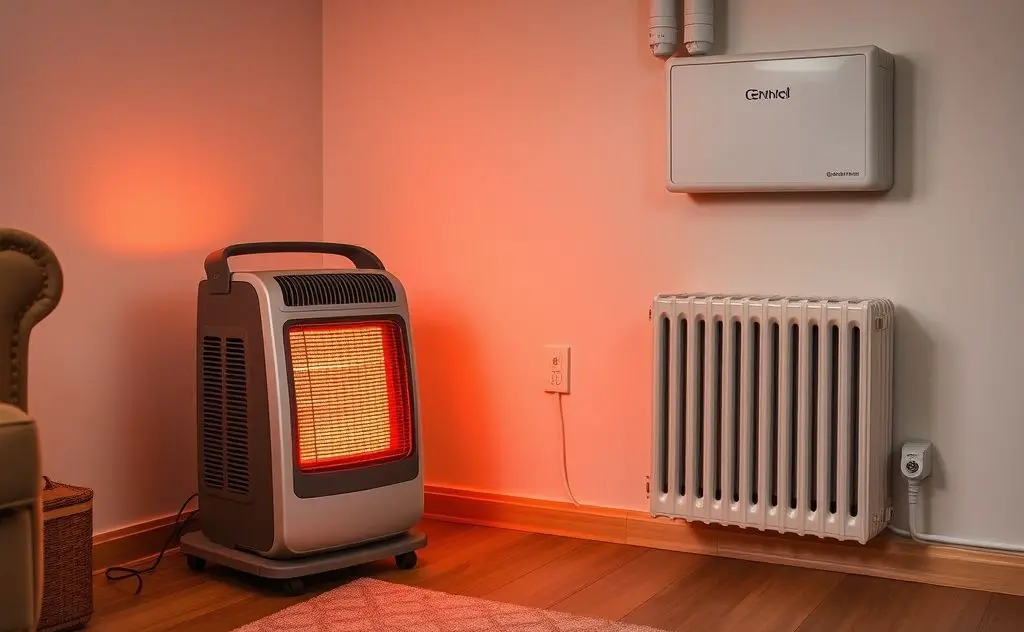
The trick here is to turn down your central thermostat significantly. We’re talking "sweater indoors" levels for the main house. Then, you let your little electric buddy do its magic in your immediate vicinity. You get to be snug as a bug, and your furnace doesn't have to work overtime to heat unoccupied rooms.
Think of it like this: would you bake a single cupcake in a massive industrial oven? No, you'd use a toaster oven. Same principle, just with glorious heat instead of delicious baked goods.
When It's Your Wallet's Worst Nightmare (The "No, It's Definitely Not Cheaper" Side)
But hold your horses, buttercup. This is where our innocent little heat machine can turn into an energy-guzzling monster. Because while space heaters are fantastic for small, isolated areas, they are, in essence, just big toasters trying to heat a room.
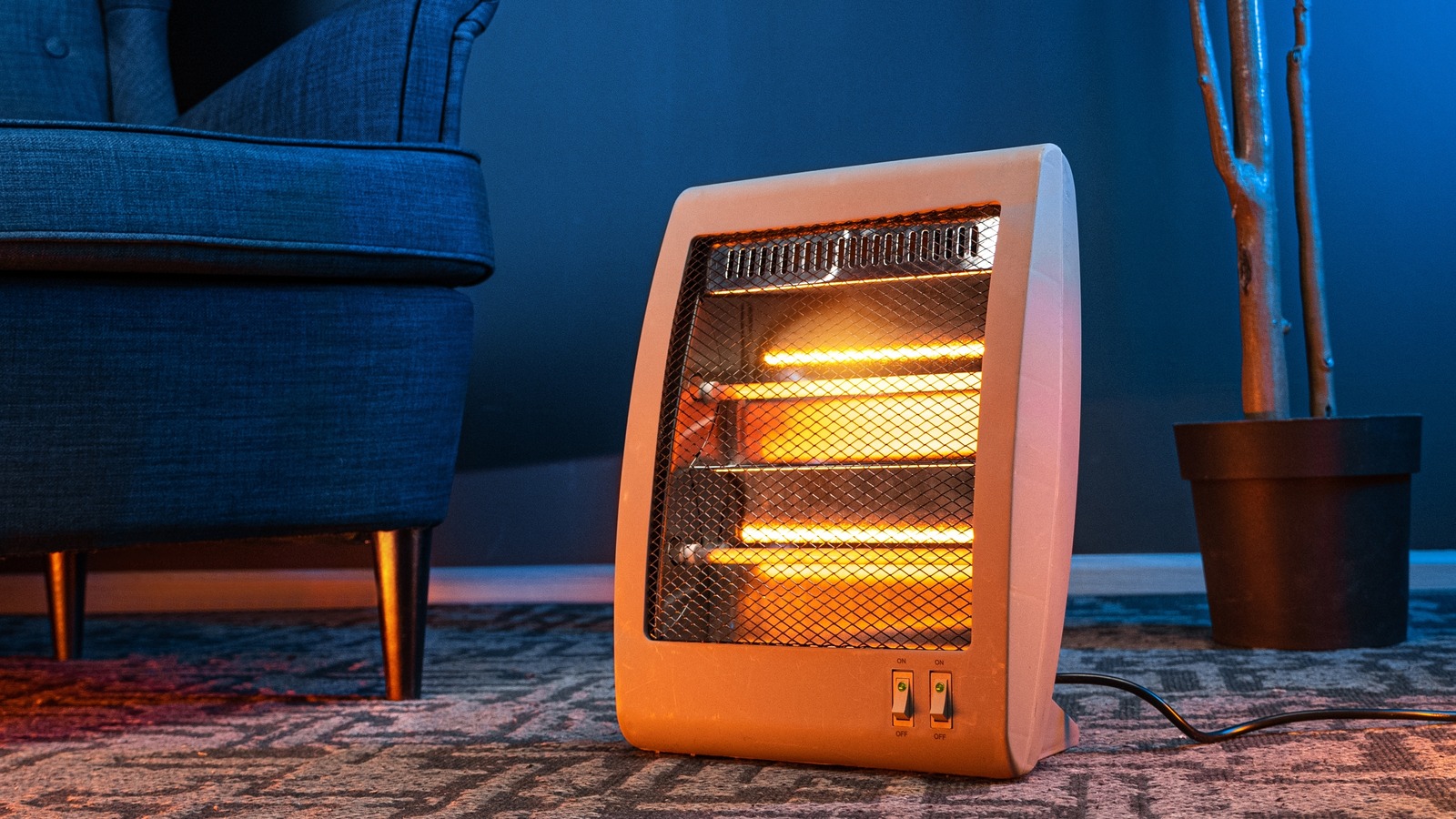
They operate on a principle called electric resistance heating. This means they convert electricity directly into heat. Sounds great, right? Simple, efficient! The problem is, electricity is generally one of the most expensive ways to generate heat, especially when compared to natural gas furnaces or modern heat pumps that simply move existing heat rather than creating it from scratch.
Here’s the kicker: Most space heaters draw a whopping 1500 watts of power. That's a lot! If you run that little fireball for several hours, you're racking up some serious kilowatt-hours (kWh). And those kWh are what your utility company sends you a bill for. Imagine your electricity meter spinning faster than a DJ at a rave. That's your space heater at full blast.
The biggest mistake? Using a space heater in addition to having your central heating already cranked up. You're literally paying twice to heat the same space. It's like wearing two coats indoors and then complaining you're hot and broke. Or leaving the fridge door open while running the air conditioner – pure, unadulterated energy chaos!

And let's not forget the "oops, I forgot it was on" scenario. Ever leave your space heater blasting away in an empty room all day while you're at work? Congratulations, you’ve just paid to heat a ghost party. A very, very expensive ghost party.
The Big Reveal: It's All About How You Play the Game
So, is using a space heater cheaper? The most honest answer is: it depends entirely on your strategy.
- Small, contained area + main heat turned way down = Potential savings.
- Large area + main heat still running + multiple space heaters = Definitely NOT cheaper, and possibly a fire hazard. (Seriously, safety first! Keep 'em clear of curtains and anything flammable.)
Your electricity rates also play a huge role. If you live somewhere with sky-high electricity costs, that little heater's indulgence will sting even more.
Tips for Being a Space Heater Savant (If You Must)
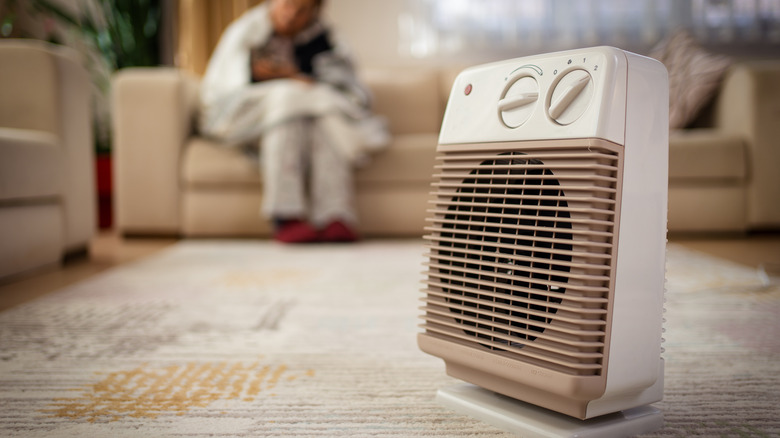
If you're still determined to bask in the glow of your personal sun, here are a few tips to minimize the financial pain:
- Get a good one: Look for models with an adjustable thermostat and a timer. This allows it to cycle on and off, rather than running continuously, saving you dough.
- Size it right: Don't try to heat a ballroom with a tiny desktop unit. Match the heater to the room size.
- Seal the deal: Close doors, plug drafts under windows, and make sure your heated zone is as air-tight as possible. You don't want your precious heat escaping like a startled cat.
- Safety first, always: Seriously, ensure it’s on a flat, stable surface, away from anything combustible, and never use extension cords. Overloaded circuits are no fun.
The Verdict: A Warm Fuzzy Feeling (Hopefully, Not Your Wallet)
Ultimately, a space heater can be a fantastic tool for staying warm without breaking the bank, but only when used judiciously and strategically. It’s not a magic bullet for whole-home heating on the cheap. More often, it’s a temporary, localized solution.
So, the next time that chilling breeze rolls through, think before you plug. Could you throw on another sweater? Or is that little slice of personal warmth truly worth the extra spin on your electric meter? Just don’t come crying to me when your utility bill looks like a phone number. Unless, of course, you're calling to tell me about your incredibly warm toes. Then, by all means, call away!