Is Tin The Same As Aluminum

Ever grabbed a shiny can or a piece of metallic foil and wondered, "Is this tin, or is it aluminum?" You're definitely not alone! It's a question many of us subconsciously ponder, especially when we're trying to figure out which bin to toss it in. This little mystery isn't just a trivial brain-teaser; it's a peek into the fascinating world of materials that touch our lives every single day. Understanding the difference between tin and aluminum can be surprisingly fun and incredibly useful, clearing up common confusions and making you feel a bit more savvy about the stuff around you.
For the curious beginner, unraveling this metallic puzzle is a great way to start noticing the subtle but important distinctions between everyday objects. It’s like a mini science lesson without the textbooks! Families can turn it into an engaging game, encouraging kids to observe and think critically about the items in their pantry or recycling bin. Imagine the dinner table conversation as you all become instant experts on cans and foils! And for hobbyists or DIY enthusiasts, knowing the properties of different metals can be absolutely invaluable. Whether you're planning a craft project, storing food, or just fixing something around the house, choosing the right material for the job makes all the difference in durability and success.
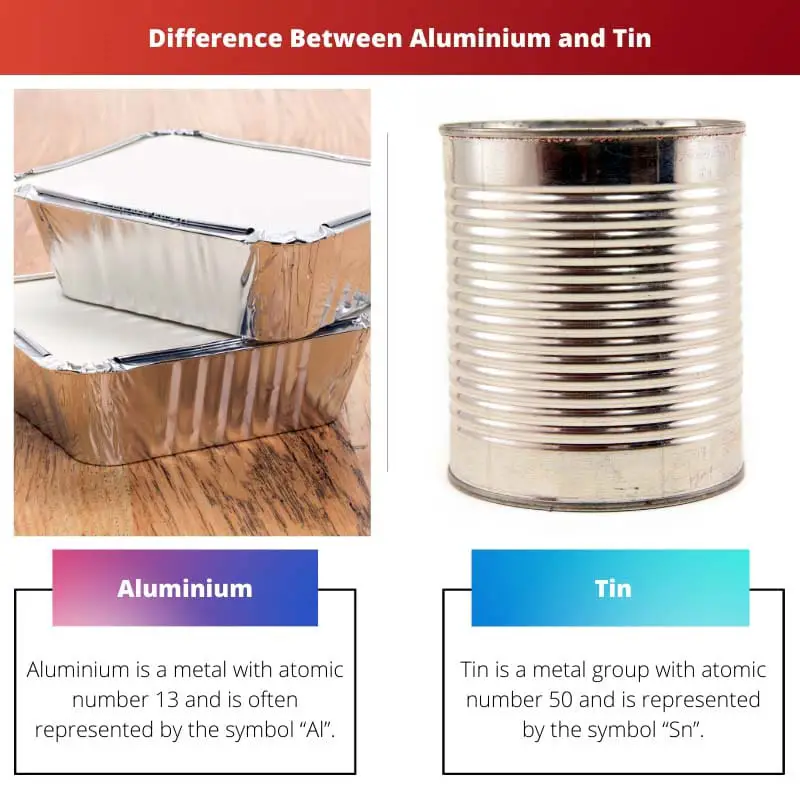
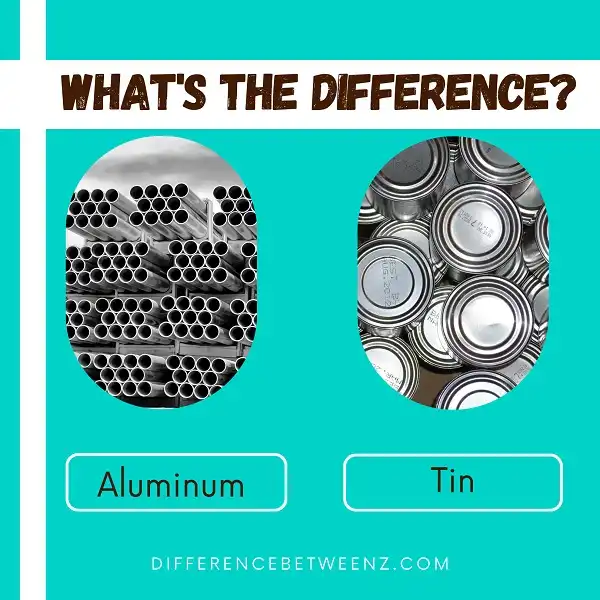
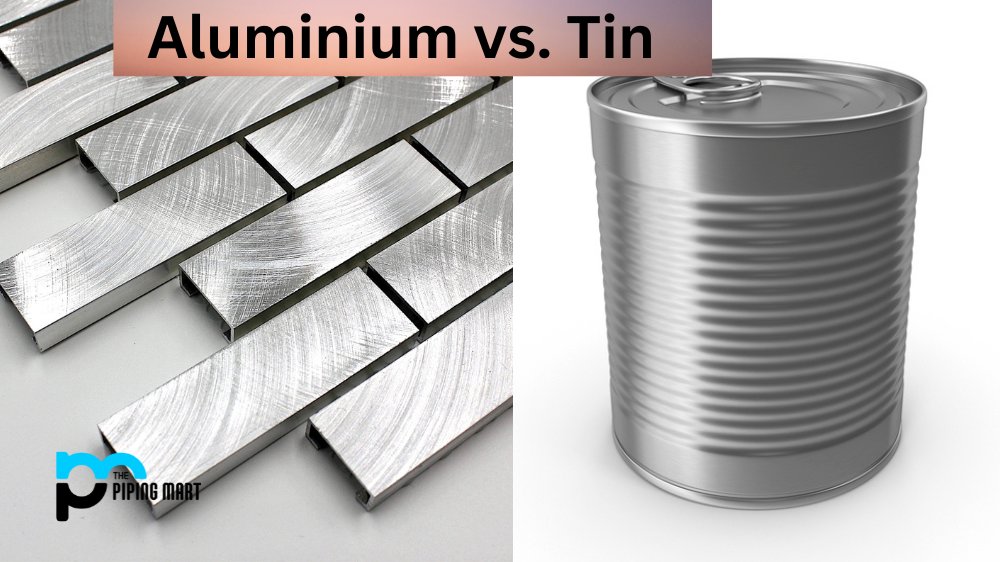
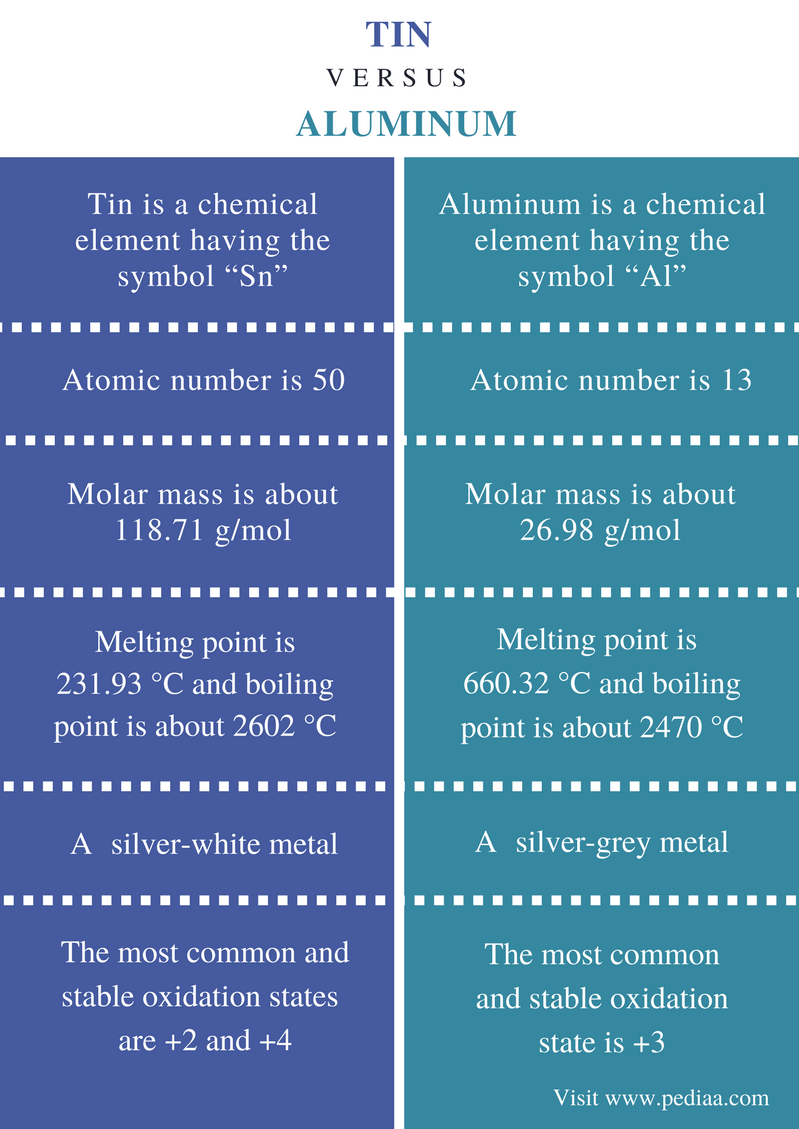
So, let's get to the heart of it: are tin and aluminum the same? The short answer is a resounding no! They are two entirely different elements with distinct properties. You'll find aluminum everywhere – from the lightweight soda cans and pliable aluminum foil that keeps your leftovers fresh, to airplane parts and bike frames. It's known for being light, resistant to corrosion, and easy to shape. Tin, on the other hand, is much less common in its pure form. What we often call a "tin can" is actually made of steel with a very thin layer of tin coating it to prevent rust. This "tin plating" was historically vital for food preservation before aluminum became widespread. You might encounter tin in solder (used in electronics), or as an alloy in bronze, but pure tin foil for wrapping food is a rarity today.
Must Read
Ready for some simple, practical tips to tell them apart? First, try the "crush test." Aluminum is generally softer and more pliable. An aluminum can or foil will crumple easily and stay crushed. While steel cans (often "tin" cans) are also crushable, they usually require more force and might spring back a bit more. Next, grab a magnet! This is often the easiest differentiator. Aluminum is not magnetic, so a magnet won't stick to your soda can or aluminum foil. Steel, however, is magnetic. If your "tin can" (which is actually steel) attracts a magnet, you know it's not aluminum. Finally, always read the label if you can! Many products will specify the material used, helping you make the right recycling choices.
Understanding these little distinctions isn't just about winning a trivia contest; it’s about gaining a deeper appreciation for the materials that make up our modern world. It’s empowering to know why one can goes in one bin and another in a different one, or why certain products are made from one metal and not the other. So go ahead, impress your friends and family with your newfound knowledge – it's amazing what a little curiosity can unearth about the everyday.