
Is There Income Tax In Texas
Alright, gather 'round, folks, pull up a digital chair, and let’s spill some tea – or rather, some sweet iced tea, because we’re talking about Texas today! There’s a question that pops up more often than a tumbleweed in a spaghetti western, a query that echoes across state lines and sometimes even from the mouths of wide-eyed new residents: “Does Texas have income tax?”
And my friends, I’m here to give you the lowdown, the dirt, the gospel truth, seasoned with a healthy dose of Texas charm and maybe a little bit of playful exaggeration. Because when it comes to taxes, sometimes you just gotta laugh, right?
The Million-Dollar (or rather, Zero-Dollar) Question
So, let's cut to the chase, shall we? You've heard the whispers, you've seen the memes, you might even have a friend who moved to Texas just for this reason. And the answer, drumroll please... is a resounding, glorious, trumpet-blaring: NO.
Must Read
That's right, folks! When it comes to state personal income tax, Texas says, "Nah, we're good." You heard me. As in, zero. Zilch. Nada. The big goose egg. The great void where your state income tax line item would usually be. It’s like finding a twenty-dollar bill in an old pair of jeans, but instead, it’s a whole chunk of your paycheck that doesn’t vanish into state coffers. Pretty sweet, huh?
This is a big deal, and it’s one of the shining stars in the Texas tax constellation. For many, it’s a beacon of financial freedom, a rallying cry for those who dream of keeping a bigger slice of their hard-earned pie. It means when you get your paycheck, you don't see a percentage vanish into the Lone Star State's general fund simply because you earn money.
"Wait, So How Does Texas Pay for Anything?" The Plot Thickens...
Now, I know what you’re thinking. “Hold on a minute, buddy. Roads don’t build themselves, schools aren’t free, and someone’s gotta pay for all that barbecue and two-stepping! If there’s no income tax, how do they keep the lights on?”
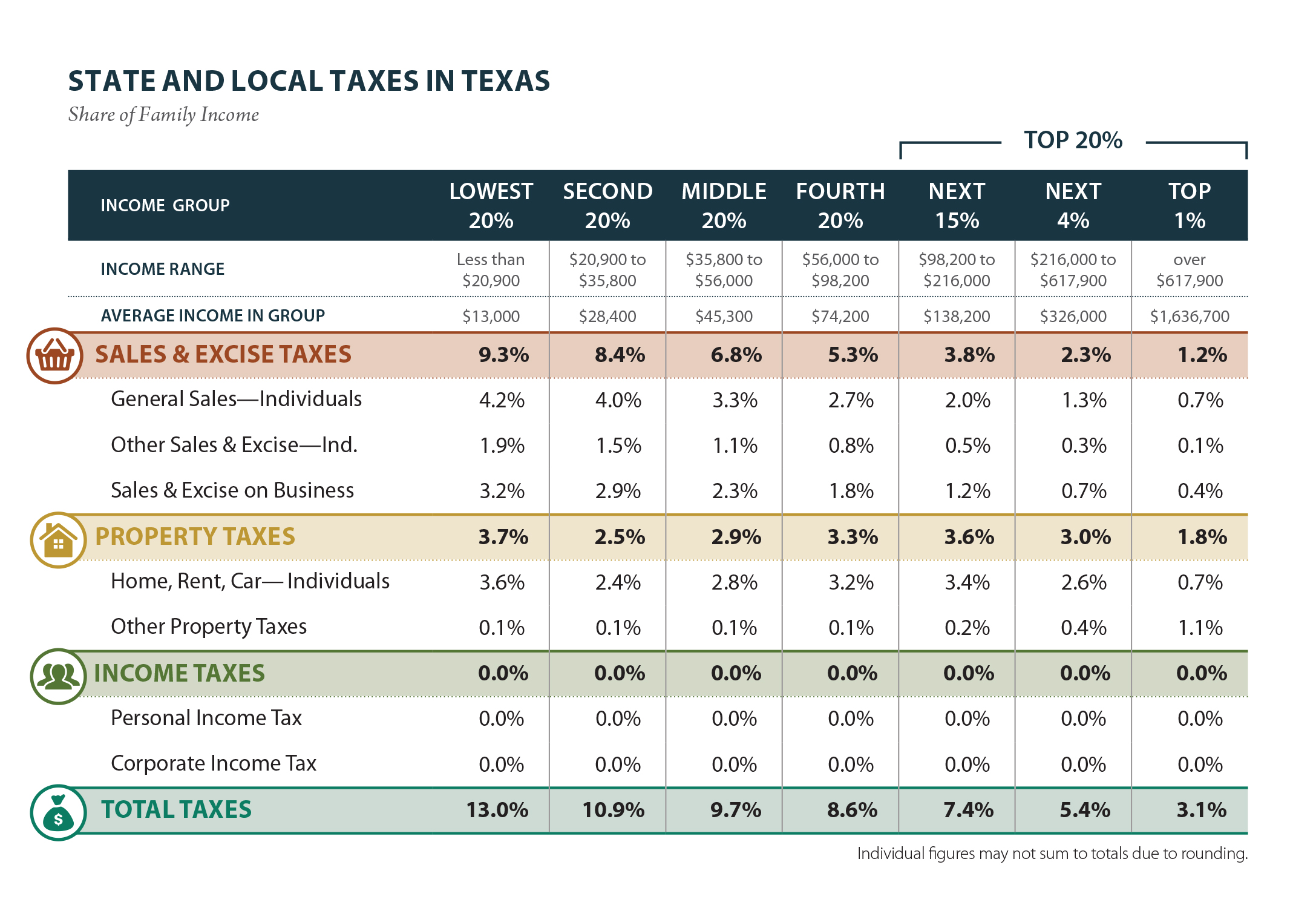
Excellent question, my astute listeners! Because while Texas might give your paycheck a friendly pat on the back and send it on its way, it’s not exactly a tax-free paradise. Oh no, my friends. Texas has other ways of getting its due. And these ways can sometimes hit harder than a longhorn with a headache.
Exhibit A: The Almighty Property Tax
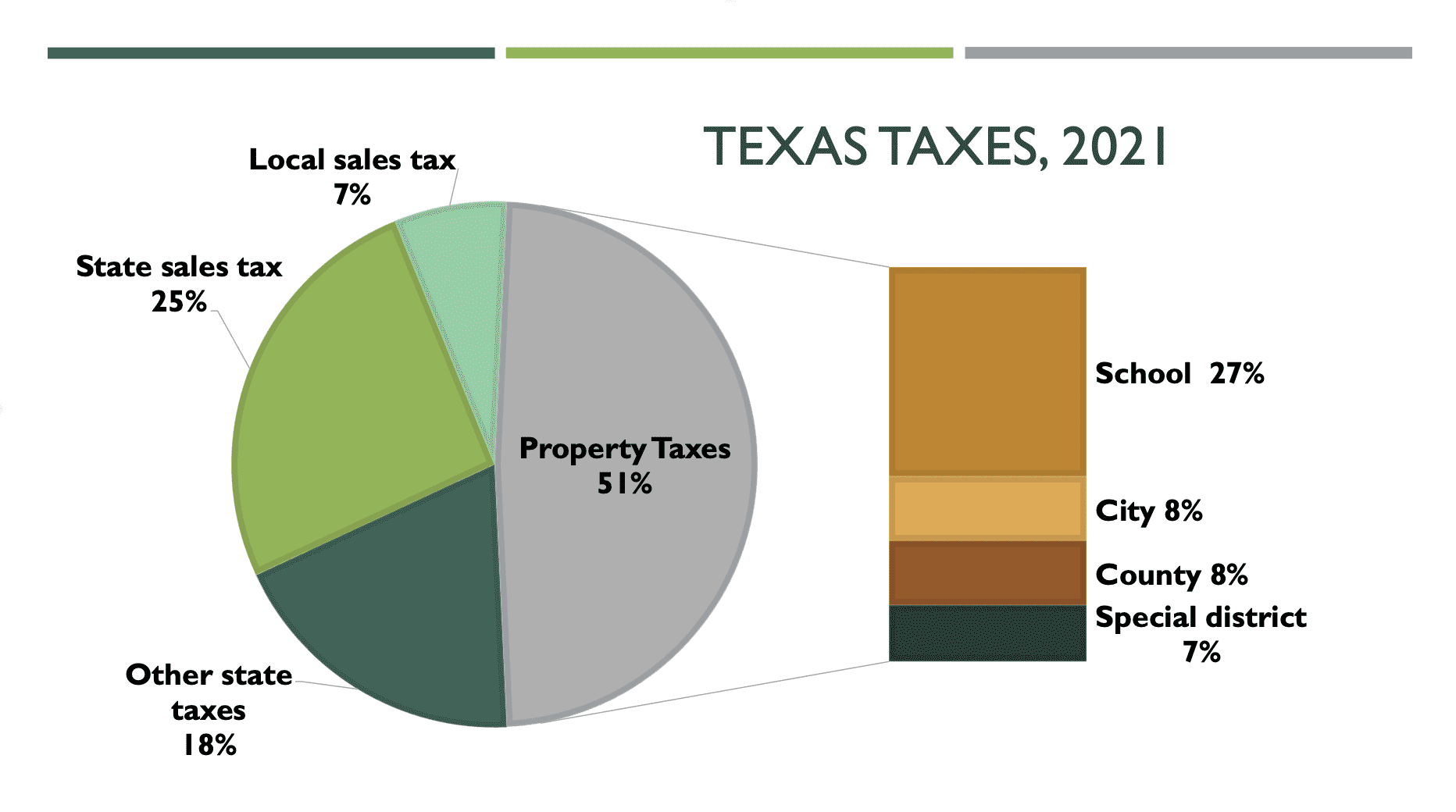
If income tax is a phantom limb in Texas, then property tax is a very real, very robust, and sometimes very aggressive arm. This is where Texas really flexes its financial muscle. We’re talking about local property taxes, levied by cities, counties, and especially independent school districts. And let me tell you, they don’t mess around.
You buy a house in Texas? Congratulations! Now prepare for your local tax assessor to eye your humble abode with the kind of intense scrutiny usually reserved for diamond appraisers. Property taxes here are notoriously – and I mean notoriously – high. It’s how the schools get funded, how the city streets get paved, and how the local fire department keeps its engines running.
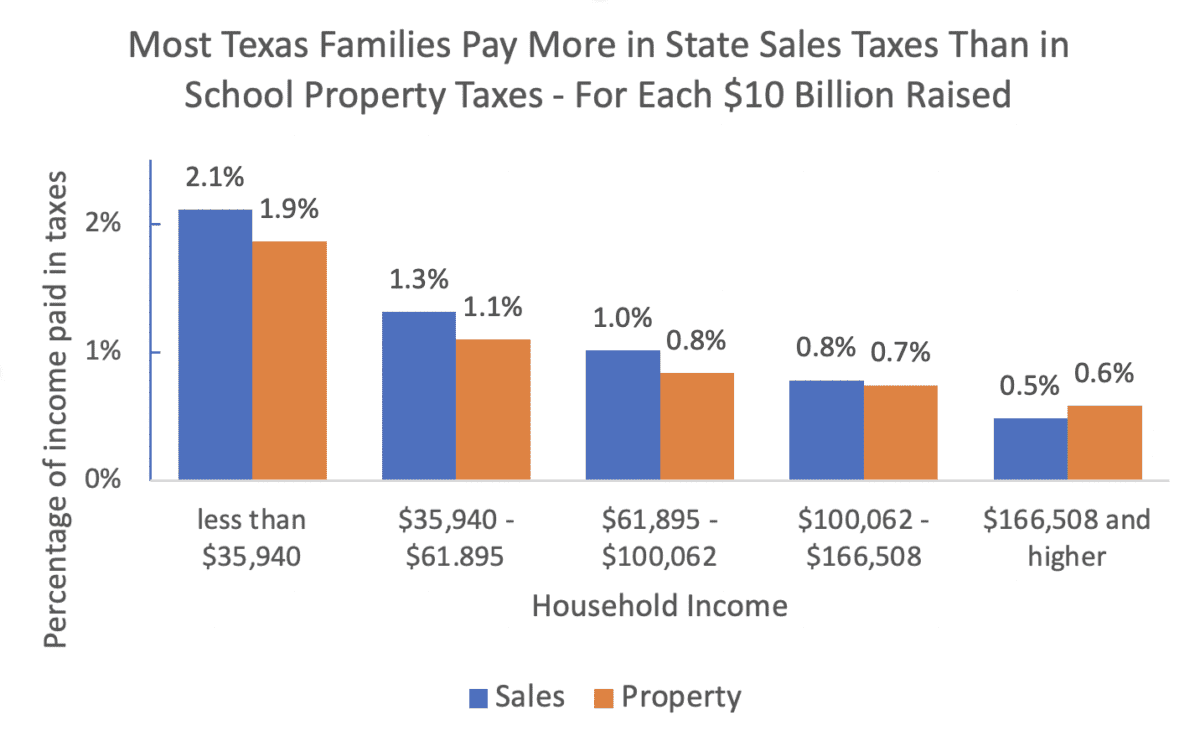
So, while your income is safe, your home is certainly on the hook. It’s a bit like a magic trick: “Now you see your income, now you don’t... wait, where’d my house payment go? Oh, right, taxes!” It's a significant consideration for anyone looking to settle down in the state.
Exhibit B: The Ever-Present Sales Tax
Next up in Texas's revenue repertoire is the good ol' sales tax. Pretty much anything you buy, from that new pair of cowboy boots to a gallon of milk, will have sales tax tacked on. The statewide rate is 6.25%, but local jurisdictions – cities and counties – can add up to another 2% on top of that. So, you’re usually looking at a combined rate of 8.25% in many areas.
Planning a shopping spree? Just remember, every purchase is a small contribution to the state's coffers. It's a tax you pay when you spend, not when you earn. Want that shiny new gadget? Great! Just mentally add 8.25% to the price tag. It's the Texas way of saying, "Thanks for shopping, partner, now how about you fund some public services while you're at it?"

It's fair, in a way, because everyone who spends contributes. But it also means that if you're a big spender, you're also a big tax contributor, even without an income tax. Suddenly, that discount seems a little less discounted, doesn't it?
And a Dash of Business Taxes
Lest we forget, businesses in Texas also pay their fair share, primarily through a "franchise tax" (often called a margin tax), which is essentially a business tax on gross receipts minus certain deductions. So, while you might not pay income tax, the companies employing you, or the businesses you frequent, are certainly contributing to the state's budget in other ways.
The Trade-Off: Why Texas Stays This Way
So, why does Texas cling so fiercely to its no-income-tax policy? Well, it’s deeply ingrained in the state’s political and economic philosophy. It's seen as a way to attract businesses and residents, keep the economy humming, and uphold a certain sense of individual liberty. The argument goes that it encourages investment and keeps more money in people’s pockets (at least until they buy a house or go shopping).

It’s a different philosophy than states that rely heavily on income tax. Here, the burden shifts. Instead of a slice of every paycheck, the state (and local governments) takes a chunk out of your property value and a bit extra from every purchase.
The Bottom Line: Is Texas a Tax Haven?
Calling Texas a "tax haven" is a bit like calling a jalapeño a "mild snack." Sure, there’s a kernel of truth, but it’s missing the full, spicy picture. While the absence of a state personal income tax is a massive financial boon for residents, it's crucial to understand that other taxes pick up the slack, and then some.
So, the next time someone asks you about income tax in Texas, you can confidently tell them, “No, bless your heart, we don’t have one!” But then, with a mischievous twinkle in your eye, you can add, “But honey, you better believe we’ve got taxes. They just come wearing different hats!” Now, who wants more iced tea?