
Is There A Gas Leak In My Area

Alright, let’s talk about something totally wild and surprisingly fascinating: the idea of a gas leak in your neighborhood. Sounds serious, right? Well, it is, but also, it's a bit of a detective game! And honestly, the science behind how we even know about them is pure, unadulterated quirky gold.
First off, let’s clear the air (pun absolutely intended). Natural gas itself? It’s a total sneak. It’s colorless and odorless. Like a ninja of the air. So, how on earth would we ever know if it was silently staging a takeover?
The Rotten Egg Perfume: A True Hero
Enter our olfactory superhero: mercaptan. This glorious, stinky chemical is intentionally added to natural gas. Why? To make it smell like something truly unforgettable. Think rotten eggs, a sulfur factory, or a zombie's breath after a bad breakfast burrito. Yeah, that kind of smell.
Must Read
Isn’t that just brilliant? We take something dangerous and invisible, and we give it the most offensively memorable scent possible. It’s like giving a supervillain a ridiculously bright neon costume so you can spot them a mile away. Genius!
But here’s the kicker: natural gas companies actually have standards for how much mercaptan they add. They want it noticeable, but not so strong it makes you instantly pass out from the sheer pungency. There’s a sweet spot for stink, apparently.
Your Nose: The First Responder
So, if you suddenly catch a whiff of that unmistakable rotten-egg aroma, your nose isn't playing tricks on you. It's your body's built-in gas leak alarm system. Pretty neat, huh? Your very own, highly sensitive, organic sensor.
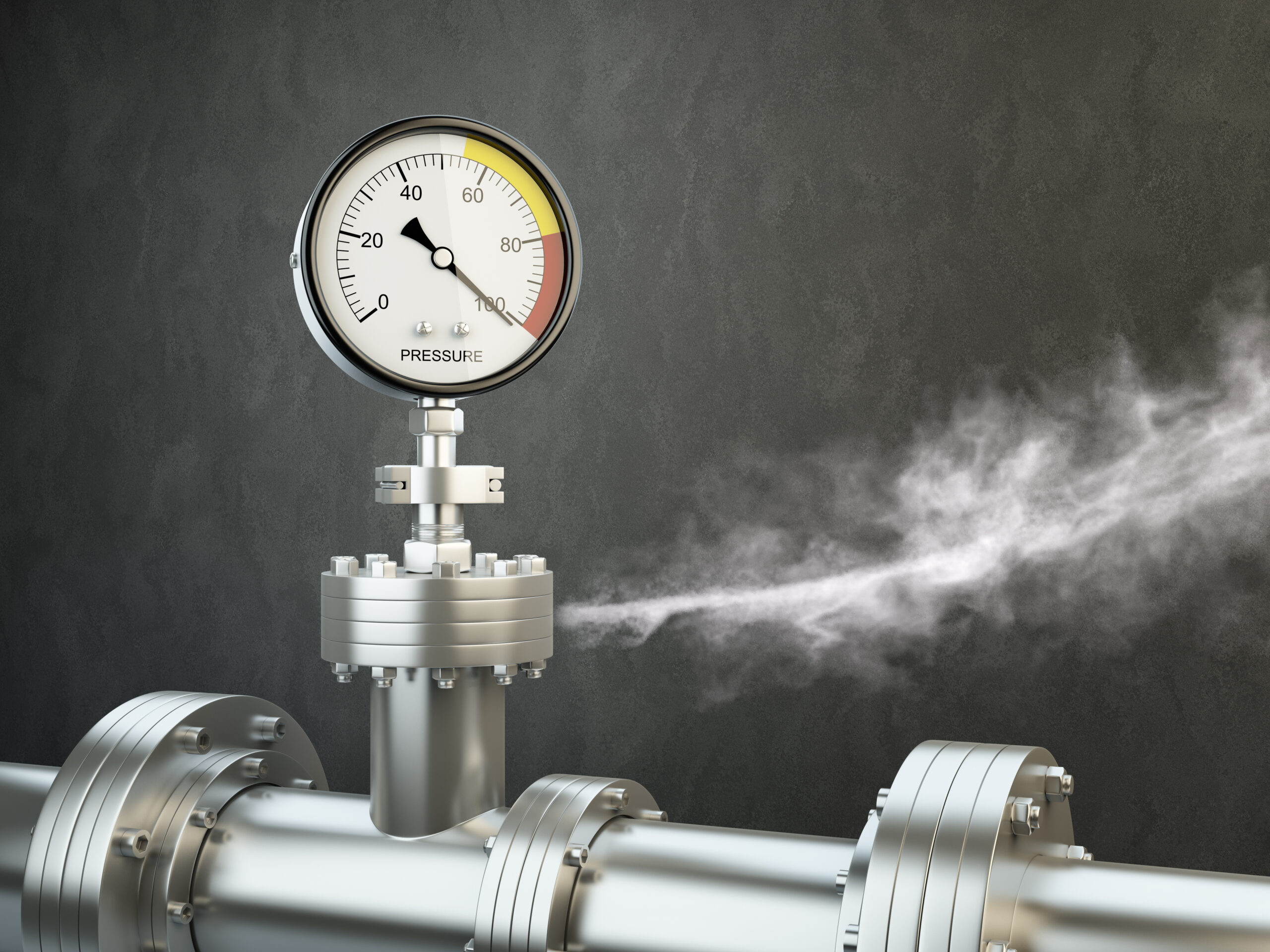
Some people, bless their slightly-less-sensitive noses, might not smell it as strongly. Or perhaps they have a cold. That’s why it’s always good to be aware of other signs too. We’re not just relying on the ol' schnoz.
Beyond the Stink: Other Quirky Clues
Think you might have a gas leak but your nose is on strike? There are other tell-tale signs that are equally fun (in a totally serious, safety-first kind of way) to spot. You become a neighborhood sleuth!
Listen up! Do you hear a hissing sound near a gas line or appliance? That's not a snake; that could be gas escaping. Gas lines aren't usually known for their dramatic sound effects, so if they're making one, pay attention.

What about your plants? Poor little leafy friends. Gas leaks can sometimes make vegetation look stressed or even die in a specific area, often in a mysterious line or patch. It’s like a botanical crime scene! The gas robs the roots of oxygen, and suddenly, your prize-winning petunias are looking a bit… well, dead.
And for the truly observant, if you see bubbles in a puddle or wet area over a buried gas line, especially if there hasn't been any recent disruption, that’s another big red flag. The gas literally bubbles up through the water. It's like an unexpected, tiny, highly dangerous jacuzzi.
The History of Stink-Sense
Did you know they haven't always added mercaptan? Nope! Back in the day, gas explosions were a much more common and terrifying surprise because nobody knew gas was accumulating until... well, boom. It was a dark, explosive time.
The addition of mercaptan was a game-changer for public safety. It literally saved countless lives. So, the next time you get a whiff of that delightful rotten egg, give a silent cheer for chemistry and common sense!

It's also interesting that our sense of smell is so powerful yet so variable. What's a faint scent to one person could be an overpowering stench to another. This is why official protocols often advise multiple people to check if possible. Safety in numbers, even for noses!
Why This Is Actually Kinda Fun To Talk About
Okay, "fun" might be a strong word for something that can be serious. But think of it! You're basically a super-sleuth in your own home or neighborhood. You're using your senses, observing your environment, and connecting the dots.
It’s a real-life puzzle, and YOU are the key to solving it. Spotting a potential leak makes you a hero, a guardian of the 'hood. You’re protecting property, people, and perhaps even those poor, innocent petunias.
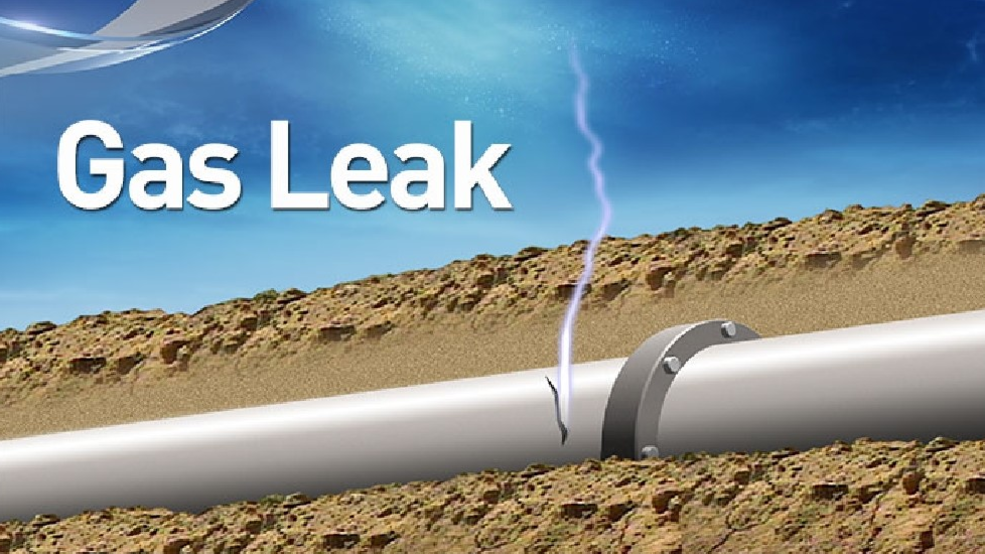
It’s a reminder that sometimes, the most mundane things around us—like the gas flowing into our homes—have fascinating, well-thought-out safety mechanisms designed right into them. It sparks curiosity about the invisible infrastructure that keeps our world running.
So, What's the Takeaway?
Don't panic! But do stay curious. If you ever genuinely suspect a gas leak based on the smell or other signs, the absolute best thing to do is not try to fix it yourself. Don't turn on lights, don't use phones inside, and definitely don't light a candle for "ambiance."
Just get out, call your gas company's emergency line (which is usually a 24/7 hotline), and let the pros handle it. They’re the real superheroes with the fancy gear and training.
But knowing how to spot it? That’s your superpower. So, go forth, my friend. Be observant. Keep your nose keen. And remember the delightful, life-saving funk of mercaptan. It truly is a marvel!