Is There A Category 7 Hurricane
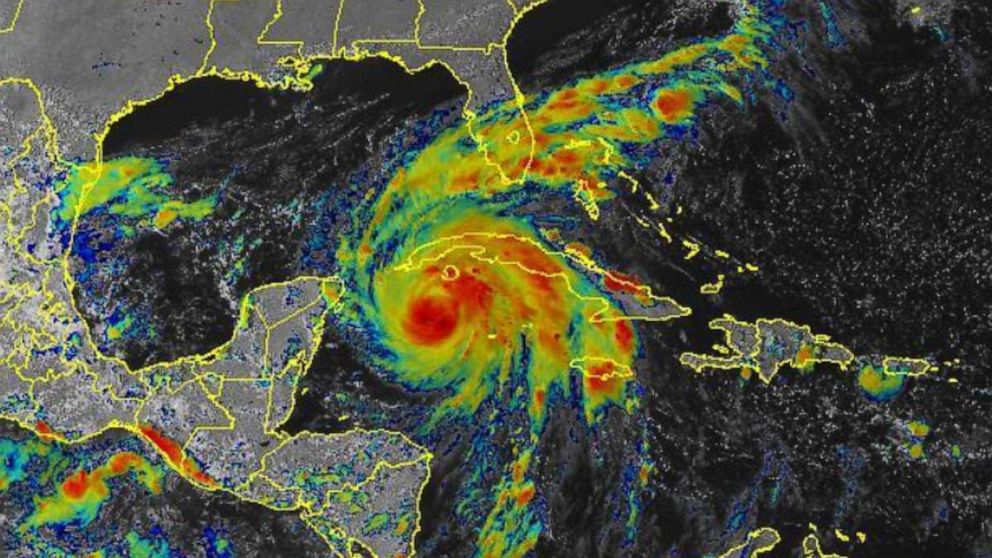
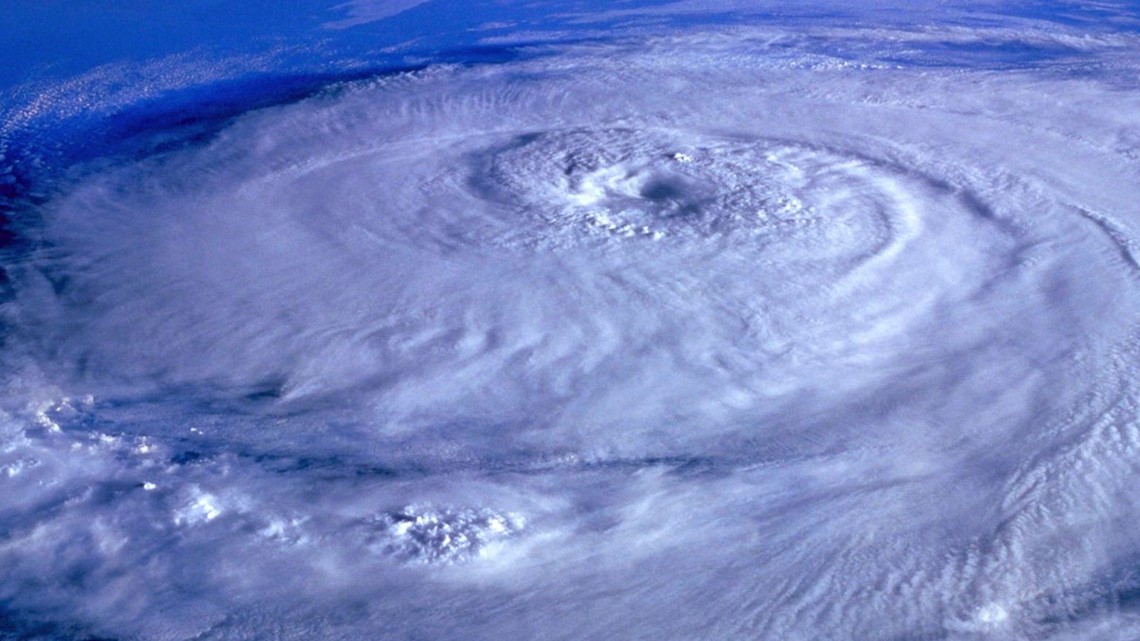
The roaring power of a hurricane is one of nature's most awe-inspiring—and terrifying—displays. We often hear about Category 1s, 3s, and the devastating Category 5s. But lately, there's been a buzz, a whisper, a slightly chilling thought: could there be a Category 7 hurricane? It's a question that sparks our curiosity, taps into our natural fascination with extremes, and frankly, makes us wonder just how much stronger these storms can get. Understanding this isn't just a fun thought experiment; it's useful for wrapping our heads around the incredible forces at play and separating scientific reality from dramatic speculation.
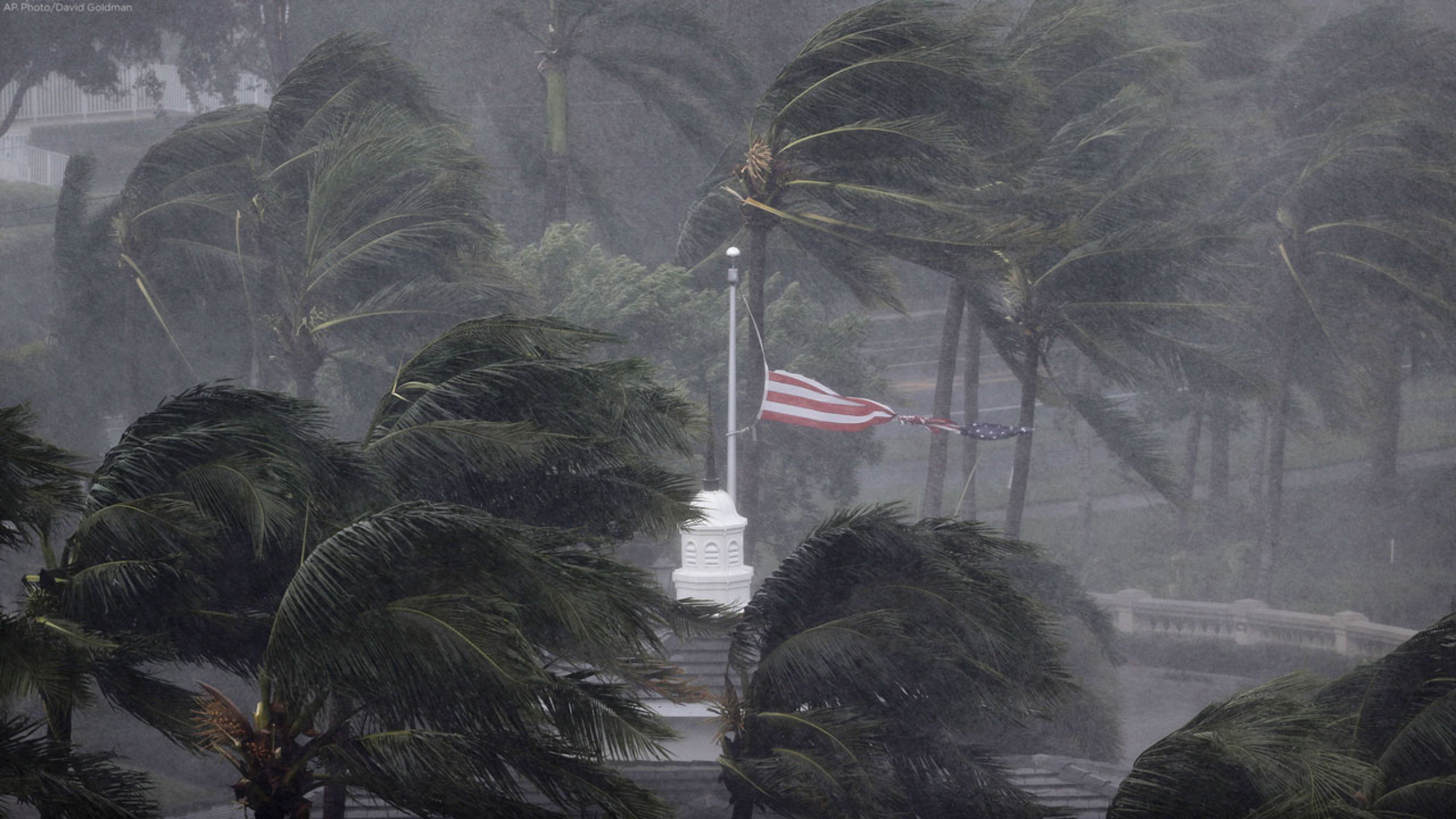
Our current understanding of hurricane strength comes from the Saffir-Simpson Hurricane Wind Scale. This scale categorizes storms from Category 1 to Category 5, based purely on their sustained wind speeds. A Category 1 storm, for instance, starts at 74 mph, capable of causing some damage. As you climb the scale, the destruction potential skyrockets. By the time a storm reaches Category 5, its sustained winds hit an astounding 157 mph or higher. We're talking about winds strong enough to level well-built framed homes, completely isolate residential areas, and cause catastrophic damage that can render areas uninhabitable for weeks or even months.
So, where does the idea of a "Category 7" come from? It's not an official designation, but rather a concept born from both genuine concern and hypothetical discussions. As our planet warms, driven by climate change, ocean waters—the fuel for hurricanes—are getting warmer too. Scientists have observed that while the number of storms might not be increasing dramatically, the intensity of the strongest storms is. We're seeing more rapid intensification and storms maintaining peak strength longer. This trend leads many to ponder: if Category 5 is already off-the-charts devastating, what would a storm beyond that look like?
Must Read
The truth is, the Saffir-Simpson scale was designed to describe the wind damage that could occur. Once a storm reaches Category 5, the destructive capacity of its winds is already so immense that adding a "Category 6" or "Category 7" might not change the practical advice for preparedness or emergency response. If your home is in the path of a Category 5, the primary directive is evacuation and seeking sturdy shelter; an even higher category wouldn't fundamentally alter that critical advice. The scale essentially maxes out when the damage potential reaches its absolute peak for structures.
However, scientists are continually studying how hurricanes form and intensify, especially in a changing climate. While an official Category 7 might not be added to the scale anytime soon, the focus remains on the impact of these superstorms. This includes not just wind speed, but also torrential rainfall, massive storm surges, and how quickly storms can strengthen. The real benefit of discussing these extremes is to highlight the importance of understanding and preparing for the increasing power of nature, rather than simply chasing a higher number on a scale. It keeps us aware, engaged, and ready to face whatever Mother Nature throws our way, armed with knowledge and respect for her incredible force.