
Is There A Brownout In My Area
Picture this: you're cozied up on the couch, ready to binge-watch that new show everyone's talking about. You hit play, grab your snack, and then… you notice something's a little off. The lights in the room, usually bright and cheerful, suddenly look like they're having a lazy Sunday. Your TV seems a smidge dimmer, and you could swear the fan in the corner is spinning with the enthusiasm of a sloth on a treadmill. You blink, rub your eyes, and think, "Is it just me, or is the power… weird right now?"
Trust me, you're not imagining things, and no, your eyesight probably isn't failing (unless you've been staring at screens all day, then maybe a little!). What you're likely experiencing is something called a brownout. It's that awkward middle child of power issues – not a full-blown blackout, but definitely not business as usual either.
So, What Exactly IS a Brownout?
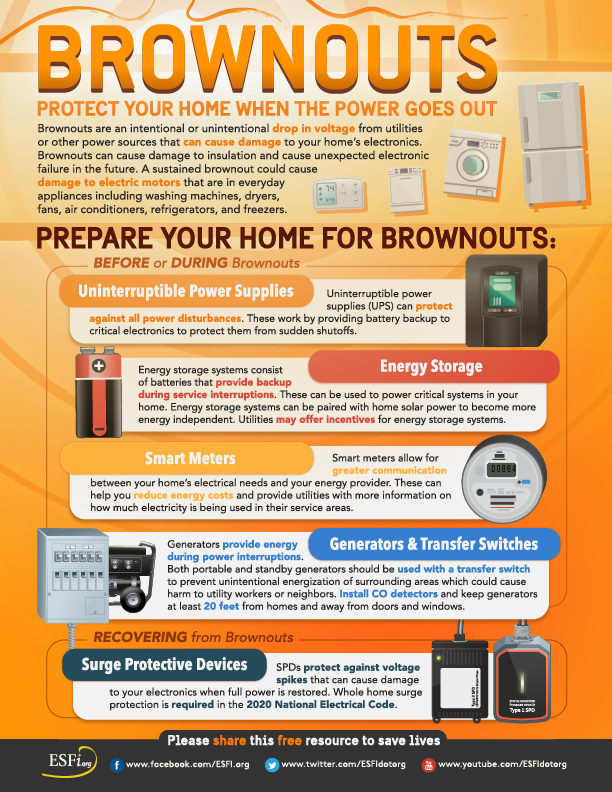
Alright, let's get into the nitty-gritty without getting too nerdy. A brownout isn't when the lights go completely out. That's a blackout, and it’s pretty obvious. A brownout, on the other hand, is when there’s a drop in voltage in your electrical supply. Think of it like this: your electricity isn't completely gone, it's just feeling a bit under the weather. The power coming to your home isn't at its usual, robust 120 volts (or whatever your regional standard is); it's taking a little dip, hence the term "brownout" – things look a bit dim or "brown."
Must Read
It’s like your favorite song playing, but someone turned the volume down slightly. All the notes are there, but it just doesn't hit the same, you know?
Signs You're Probably in a Brownout Zone
How do you know if your area is experiencing a brownout, beyond that initial "huh?" moment? Keep an eye (and an ear) out for these tell-tale signs:
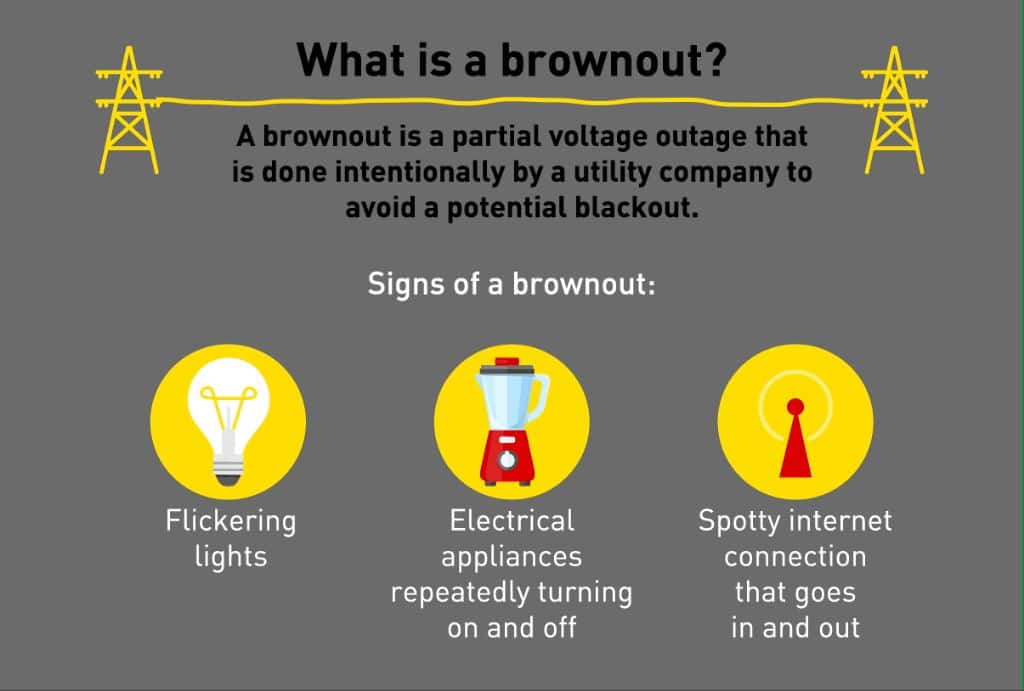
- Dimming Lights: This is probably the most obvious one. Incandescent bulbs (the old-school kind) will look noticeably dimmer. Even LEDs might flicker or have reduced brightness. Your whole house might just feel a bit... muted.
- Sluggish Appliances: Ever try to microwave something and it takes twice as long? Or your coffee maker sounds like it's struggling to wake up? Appliances that rely on motors (like refrigerators, washing machines, fans) might run slower, make weird humming noises, or just generally lack their usual oomph.
- Electronics Acting Weird: Computers might suddenly restart, or take ages to boot up. TVs could flicker or have a slightly distorted picture. Anything with delicate electronics can get a bit moody when the voltage isn't stable.
- Random Humming: Sometimes, transformers or even your own appliances might emit a low hum due to the fluctuating voltage. If your fridge suddenly sounds like it's trying to sing opera, that's a clue.
Why Do These Pesky Things Happen?
Brownouts aren't usually planned (unlike some utility work). They typically pop up for a few main reasons:
- Overload on the Grid: This is a big one. Think hot summer days when everyone has their AC blasting, or during extreme cold when heaters are working overtime. When the demand for electricity exceeds what the power grid can comfortably supply, the utility company might intentionally reduce voltage across an area to prevent a total system shutdown (a blackout!).
- Equipment Failure: Sometimes, a faulty transformer or another piece of power grid equipment can cause voltage drops in specific areas.
- Infrastructure Issues: Old wiring, overloaded circuits, or issues at a substation can all contribute to parts of the grid not getting the full juice.
What Should You Do When the Power's Feeling Funky?
First off, don't panic! A brownout isn't usually an emergency. But there are a couple of smart moves you can make:

- Unplug Sensitive Electronics: This is probably the most important tip. Fluctuating voltage can be really hard on sensitive electronics like computers, TVs, and smart home devices. If you've got surge protectors, they'll help, but for peace of mind, just unplug them until the power stabilizes. Trust me, it's cheaper than buying a new motherboard.
- Reduce Usage: If you suspect a brownout, try to lighten the load yourself. Turn off non-essential lights, appliances, and electronics. This can help reduce demand on the local grid.
- Check with Neighbors: Is it just your house, or is everyone else experiencing it too? If your neighbor's lights are also dim, it confirms it's a neighborhood issue, not just your faulty wiring.
- Contact Your Utility Company: If it goes on for a while, or if you're concerned, give your local power company a call. They might already be aware, but it's good to report it. Plus, they can give you updates.
So, next time your toaster is struggling or your lamps look like they're practicing their sleepy eyes, you'll know exactly what's up. It's not just you; it's probably a brownout having its moment in the spotlight (or lack thereof). Stay safe, protect your gadgets, and hopefully, your full power will be back to normal soon!
