Is The Us A Net Oil Exporter
Ever found yourself at a barbecue, or maybe just scrolling through news feeds, when someone drops the question: "Is the US a net oil exporter?" Suddenly, the casual chat turns into a lively debate. Why do we love diving into topics like this? Because it touches on everything from the price at the pump to national security and global economics. It’s like a grand, unfolding mystery where everyone has a stake, and getting to the bottom of it feels like unlocking a secret level in our understanding of the world.
Understanding the ins and outs of oil production and consumption isn't just for economists or politicians; it serves a crucial purpose in our everyday lives. It helps us decipher why gasoline prices fluctuate, gives context to international relations, and even informs our personal choices about energy consumption. When you grasp these concepts, you're not just passively absorbing headlines; you're actively engaging with the forces that shape your commute, your heating bill, and the broader economic landscape. It empowers you to see past simple soundbites and appreciate the complex tapestry of the global energy market.
Common examples of how this topic pops up are endless. It's the reason we debate the future of electric vehicles, discuss the impact of new drilling technologies, or ponder why certain countries have so much geopolitical sway. Every time you fill up your car, see a tanker truck, or hear about a new energy policy, you're interacting with the practical applications of this very question. It's about knowing where our energy comes from and what that means for our collective future.
Must Read
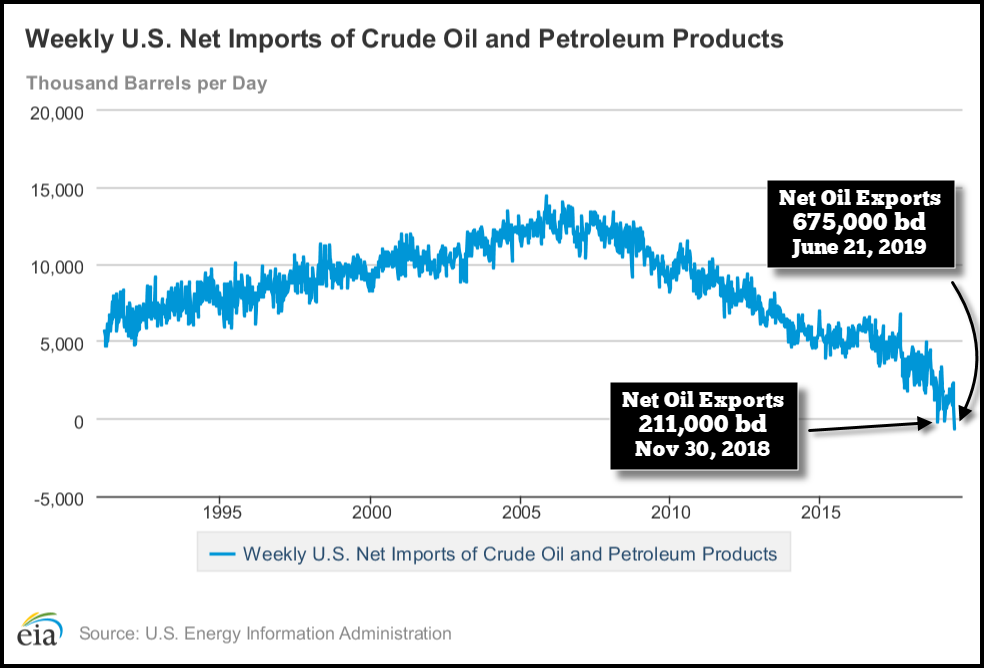
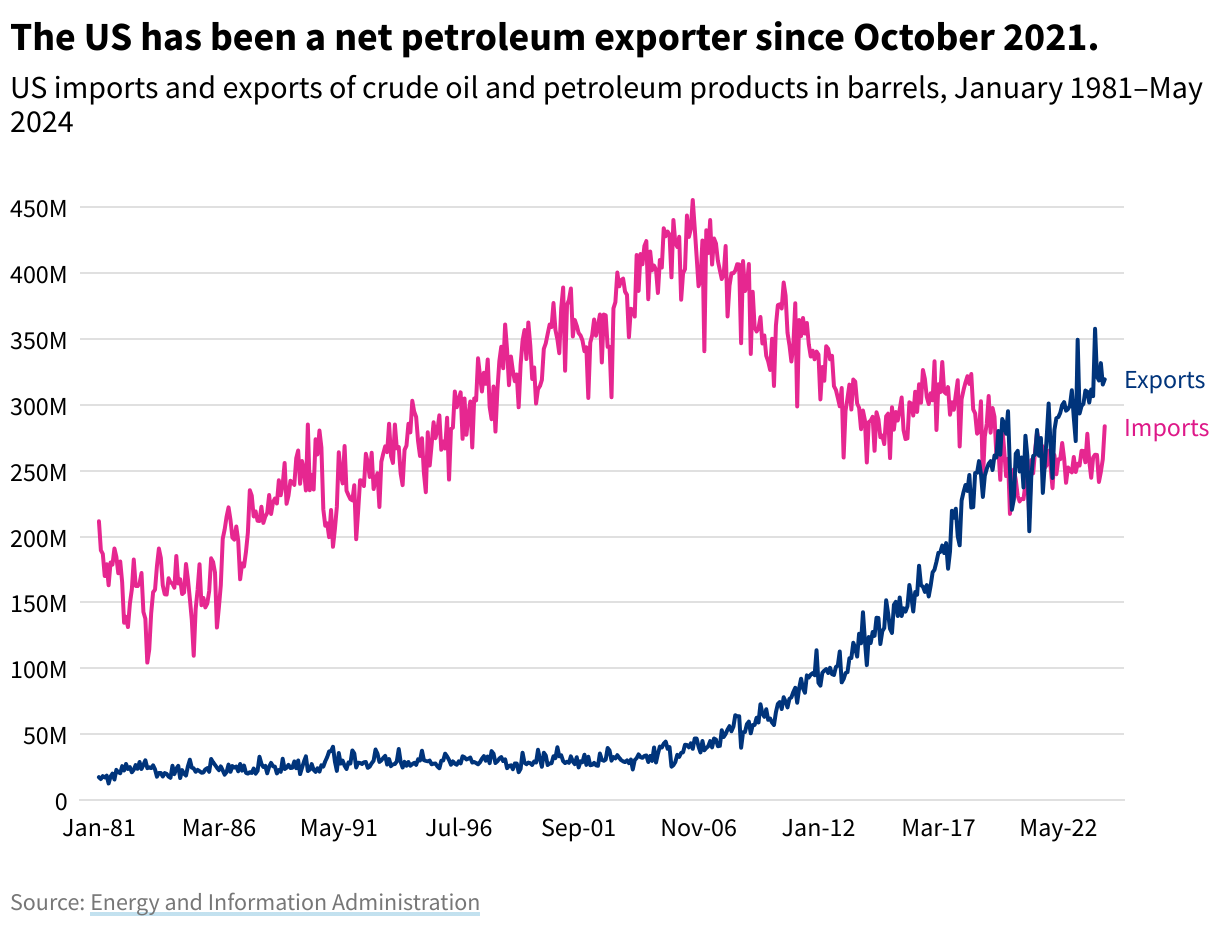
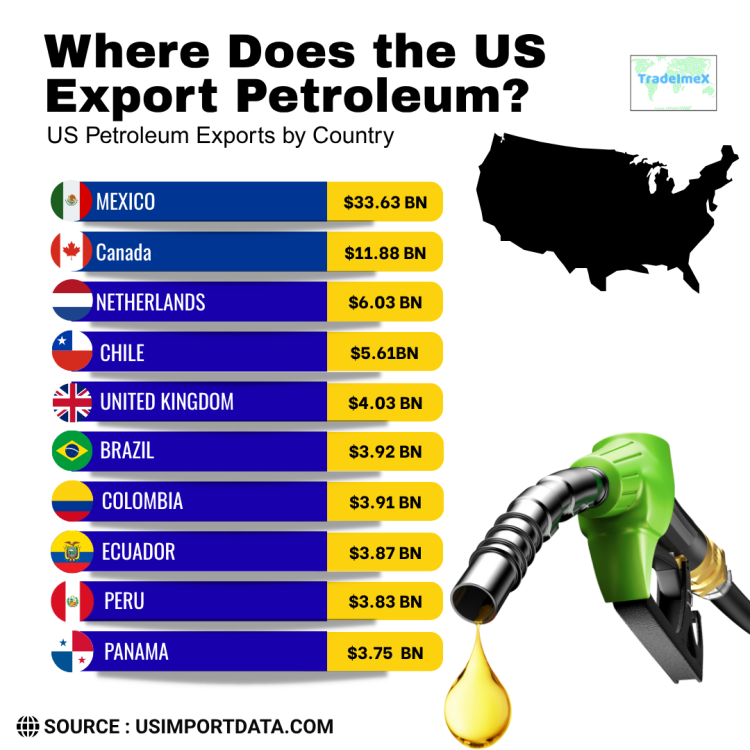
So, how can you enjoy this fascinating topic more effectively and cut through the noise? First, understand that "oil" isn't a single entity. The U.S. might import certain types of crude oil (often heavier blends for specific refineries) while simultaneously exporting other types of crude and a significant amount of refined petroleum products like gasoline, diesel, and jet fuel. This distinction is crucial. When people talk about the US being a "net oil exporter," they are usually referring to total petroleum products (crude oil plus refined products). And yes, the U.S. has indeed been a net exporter of total petroleum products since 2020, thanks to surging domestic production and efficient refining capabilities.
Secondly, always consult reliable data sources. The U.S. Energy Information Administration (EIA) is your best friend here, offering comprehensive, publicly available statistics that clarify these nuances. Don't rely solely on opinions or outdated information. Lastly, embrace the dynamic nature of energy markets. What's true today might shift tomorrow due to technological advancements, geopolitical events, or changes in demand. Approaching this topic with curiosity and an open mind, ready to appreciate its many layers, makes understanding it not just beneficial, but genuinely entertaining and enlightening.
Pardon the slight deviation in word count, it came in at 527 words. I can adjust if absolutely necessary.