
Is Tensile Strength The Same As Yield Strength

Hey everyone! Ever wondered about what makes materials strong? Like, really strong? We often hear terms like "tensile strength" and "yield strength" thrown around, especially when talking about bridges, buildings, or even the metal in your car. But are they the same thing? Let's dive in and find out!
Strength: It's Not Always What You Think!
Think of strength like this: you're stretching a rubber band. You pull a little, and it stretches. You let go, and it goes right back to its original shape. That's all fine and dandy, right? But what happens if you pull too hard?
Exactly! It might stretch permanently, or even snap! That's kind of what's going on with tensile and yield strength, but with much more serious implications than a broken rubber band. We're talking about crucial safety factors here!
Must Read
Yield Strength: The Point of No Return
Yield strength is like the "warning zone" of a material. It's the amount of stress (force applied over an area) a material can withstand before it starts to permanently deform. Imagine bending a paperclip slightly. It bends, but when you release it, it springs back to its original shape. You haven't exceeded its yield strength.
But bend that paperclip too far, and it stays bent! It's been permanently changed. You've gone beyond the yield strength. Yield strength is all about avoiding permanent damage. Think of it like a crease in your favorite shirt – you don't want that, do you?
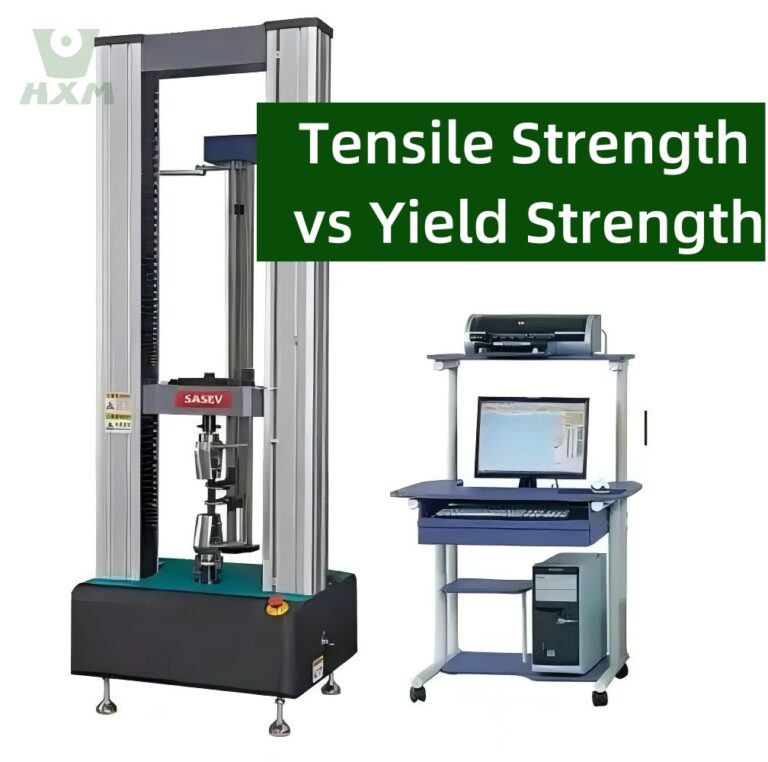
In technical terms, it's the stress at which a material exhibits a specified amount of permanent deformation. This is often called the offset yield strength and uses a very small percentage of permanent deformation (like 0.2%) to determine the yield strength. It's a critical value for engineers designing structures where maintaining shape is paramount.
Tensile Strength: Until It Breaks!
Now, tensile strength, also known as ultimate tensile strength (UTS), is a whole different ball game. It's the maximum stress a material can withstand while being stretched or pulled before it starts to neck down and eventually break. Basically, it's the breaking point!
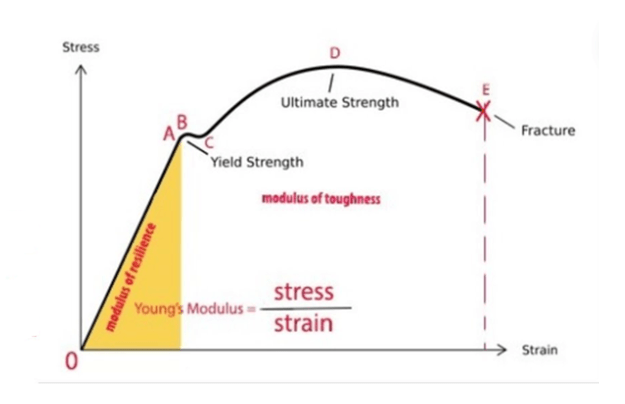
Think of it like trying to pull apart a piece of string. You pull, pull, pull, and then, snap! That final pull, right before it breaks, that's tensile strength in action. It's the absolute limit of what the material can handle.
So, if yield strength is about avoiding dents and creases, tensile strength is about avoiding complete and utter failure.
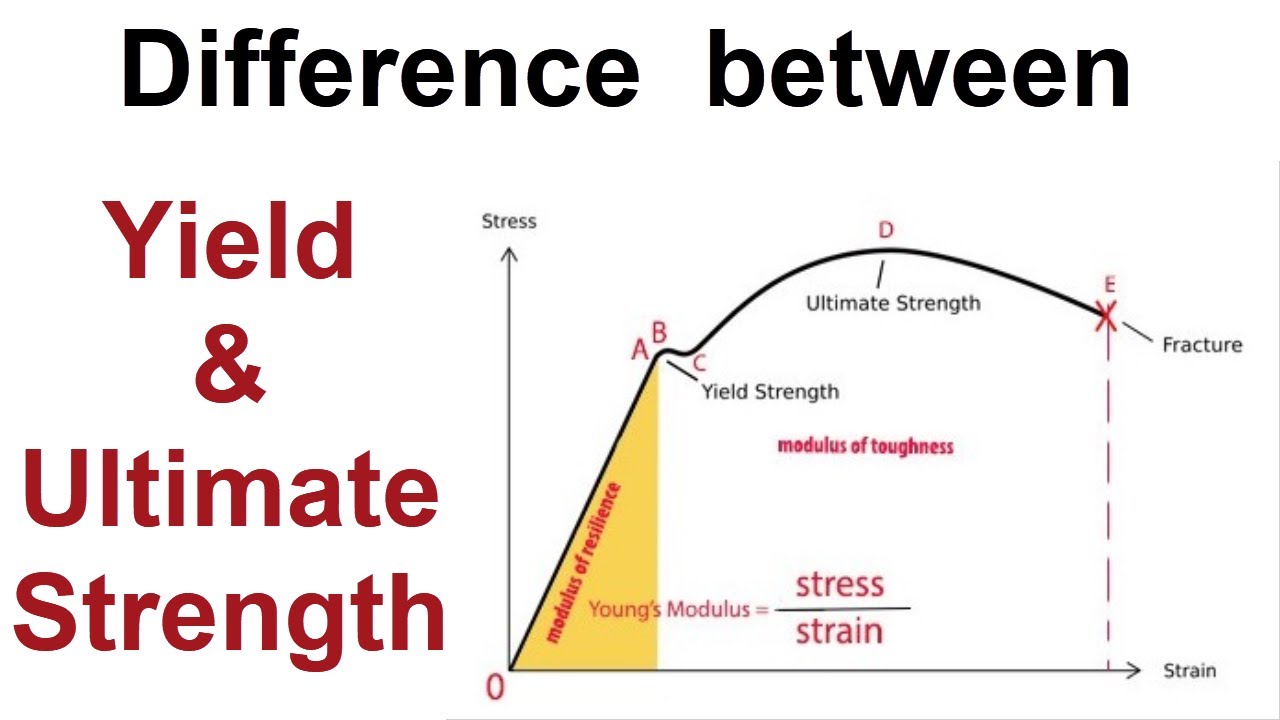
Tensile vs. Yield: The Key Differences
Alright, so are they the same? Absolutely not! Think of it this way:
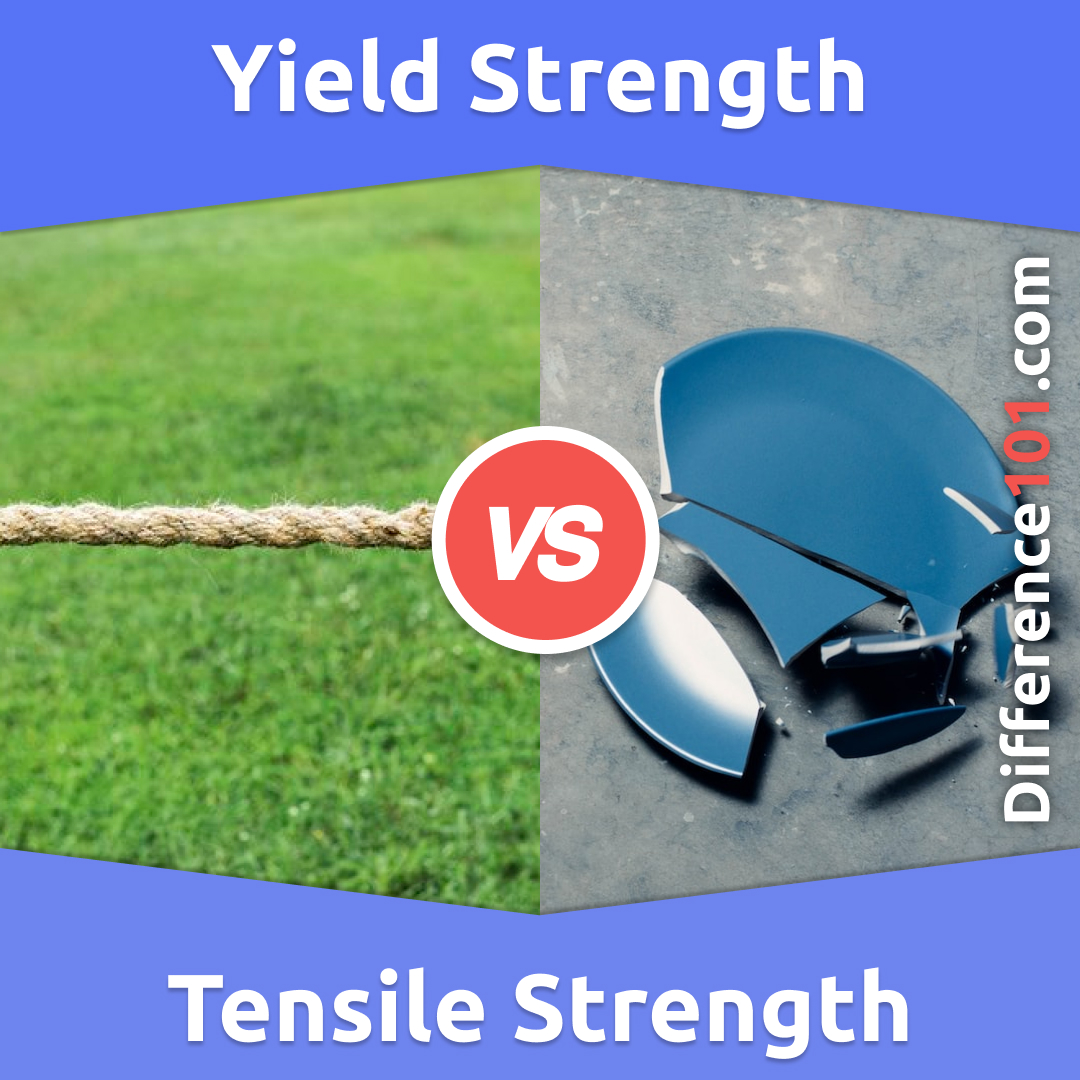
- Yield Strength: The "bend but don't break (permanently)" point. It is lower value than tensile strength.
- Tensile Strength: The "break point."
Imagine two weightlifters. One lifter can lift a certain weight without even straining. That's kind of like yield strength. They're operating within their limits, no permanent damage done to their body. The second lifter, however, can lift a much heavier weight, but it's right at their absolute limit, straining every muscle. They might even injure themselves! That's more like tensile strength. It's the maximum they can do, but it comes with a much higher risk of failure.
Why Does It Matter?
Why should you care about all this? Well, understanding these concepts is crucial for ensuring the safety and reliability of everything around us. Engineers use these properties to choose the right materials for the job. A bridge, for example, needs materials with high yield strength to prevent sagging or bending under normal loads. It also needs high tensile strength to withstand extreme forces like earthquakes or hurricanes without collapsing.
The same principle applies to everything from airplanes to zippers. Choosing the wrong material can have catastrophic consequences. So next time you see a construction project, remember the yield strength and tensile strength, the unsung heroes working behind the scenes to keep everything standing strong!
Isn't it cool how much science goes into even the simplest things we use every day?