
Is Tensile Strength The Same As Ultimate Strength
Okay, let's talk shop. Ever heard someone throw around terms like "tensile strength" and "ultimate strength" and felt a tiny bit lost, like you'd stumbled into a materials science lecture by accident? Don't worry, we've all been there. Today, we're going to break it down in a way that's, dare I say, even enjoyable. Think less textbook, more coffee-shop chat.
So, the burning question: Are tensile strength and ultimate strength the same thing? The short answer is… almost, but not quite! Let’s unpack that.
Understanding the Concepts
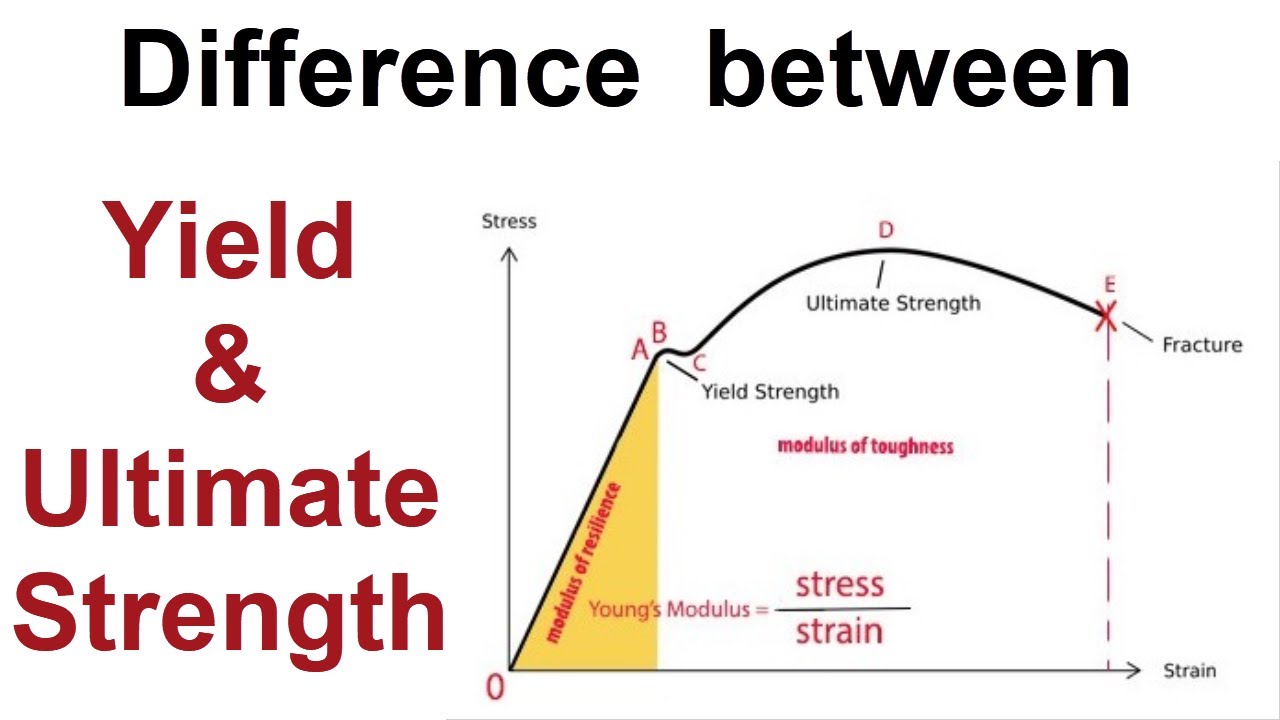
Imagine you're stretching a rubber band. You pull it, and it gets longer, right? That's basically what tensile strength is all about: it measures how much pulling force (or "tension") a material can withstand before it starts to deform or break. Think of it like this: tensile strength is the maximum stress a material can endure while being stretched or pulled before permanent deformation begins.
Must Read
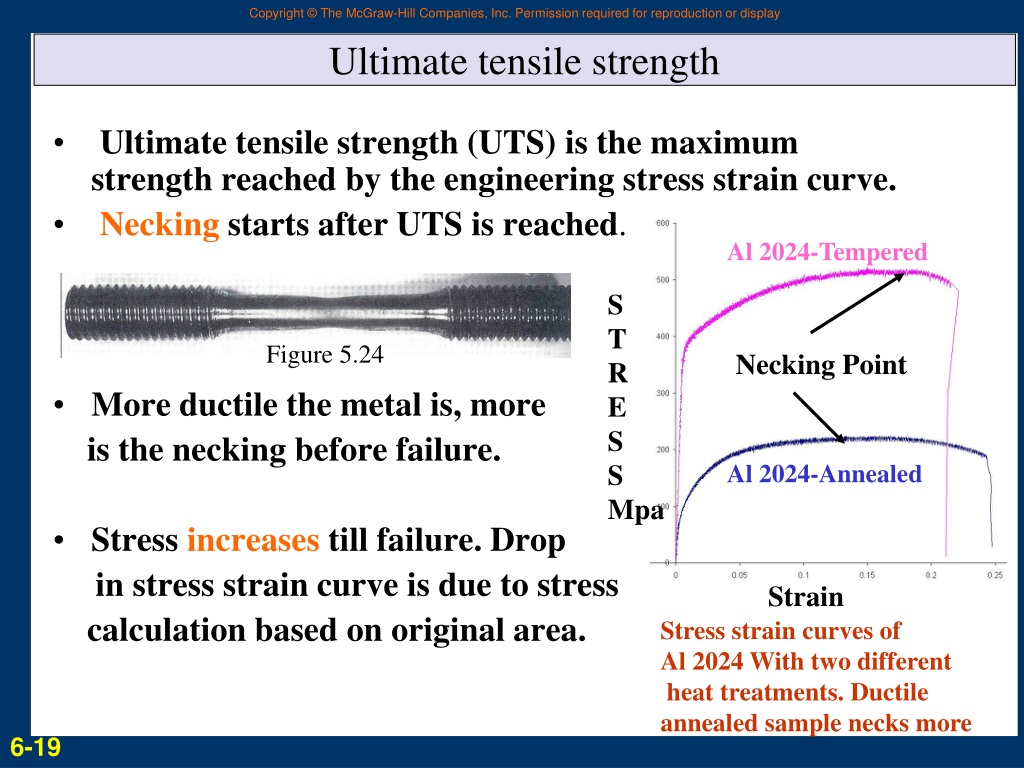
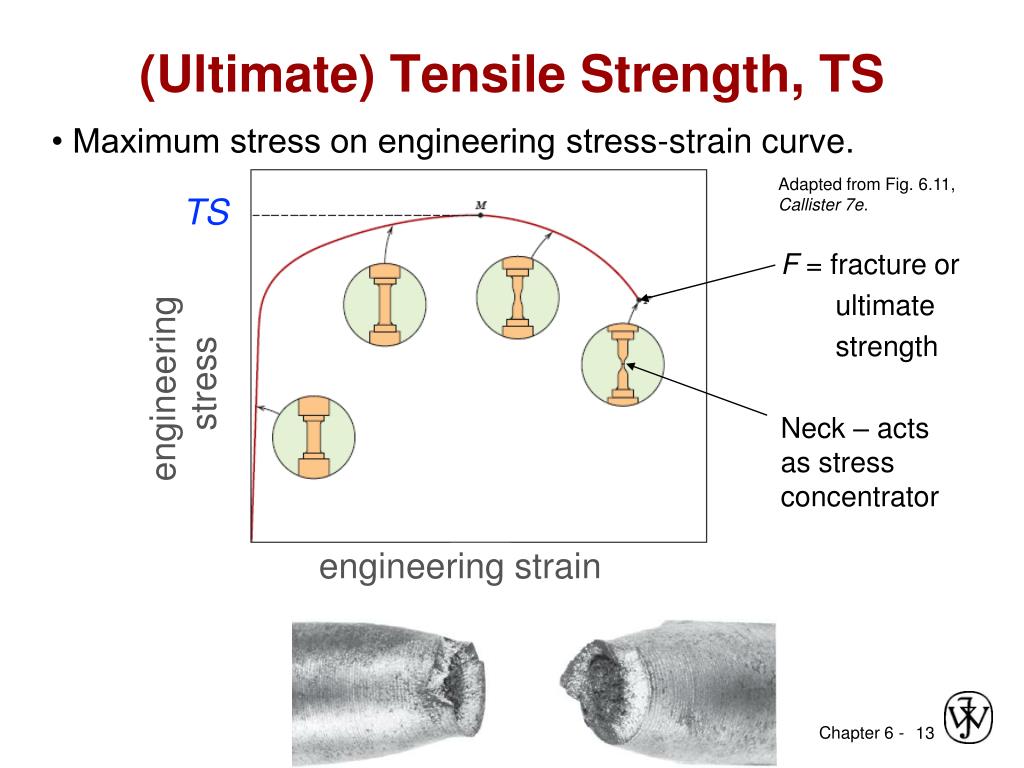
Now, "ultimate strength," which is often referred to as "ultimate tensile strength" (UTS), gets a little more dramatic. It's the point where our metaphorical rubber band actually snaps. It represents the absolute maximum stress a material can handle before it fractures completely. It's the material's final stand against the stretching forces.
Think of it like a movie climax. Tensile strength is the rising action, the tension building as the hero faces obstacles. Ultimate strength is the final showdown, the explosive moment of truth where everything is on the line!
The Subtle Difference, Explained
The key difference lies in what's happening to the material. Up to the point of tensile strength, the material might stretch or deform a bit, but it'll still return to its original shape once the force is removed (within certain limits, of course). This is known as elastic deformation.
Beyond that, past the yield point, you enter the realm of plastic deformation. That’s the point where the material is permanently changed. It won’t go back to its original form. Think of bending a paperclip – you can bend it back a bit, but it won't be perfectly straight again.

Ultimate strength, on the other hand, is the absolute breaking point. There's no going back. It's game over for the material.
Practical Examples & Why It Matters
Why should you care? Well, understanding these concepts is crucial in engineering and design. Imagine building a bridge. Engineers need to know both the tensile strength and ultimate strength of the steel cables they're using. They need to ensure the cables can withstand the normal stresses of daily traffic (tensile strength) but also have a safety margin to handle extreme loads like earthquakes or heavy storms (ultimate strength).
Here are a few real-world examples:
- Steel cables in suspension bridges: Ensuring they can withstand constant tension and extreme weather.
- Airplane wings: Designed to handle aerodynamic forces without deforming or breaking mid-flight.
- Climbing ropes: Rated for specific tensile and ultimate strengths to ensure climber safety.
Even in everyday life, the concepts apply. Consider a plastic container. It has a certain tensile strength. If you overfill it and stretch the plastic too much, it might deform permanently. Keep pushing it, and it will eventually crack – you’ve exceeded its ultimate strength.
Fun Fact Interlude
Did you know that spider silk is one of the strongest materials on Earth for its weight? It boasts incredibly high tensile and ultimate strengths, making it stronger than steel in some cases. Spiderman had it right all along!

Tips for Everyday Application
- Be mindful of material limits: Don't overload that shopping bag or stretch that elastic band beyond its limits.
- Read product labels: Especially for things like rope or straps, check the weight limits and intended uses.
- Consider the material's properties: When choosing materials for a DIY project, think about how much stress they'll need to withstand.
In essence, while tensile strength and ultimate strength are closely related, understanding their nuances allows us to appreciate the complexities of material science and make more informed decisions in our daily lives. From choosing the right climbing gear to simply understanding why your phone screen cracks when you drop it (don't do that!), these concepts are more relevant than you might think.
So, next time you hear someone mention tensile or ultimate strength, you can confidently nod along, knowing you've got a handle on the basics. And who knows, maybe you'll even impress your friends with your newfound knowledge! Keep learning, keep exploring, and keep stretching your own potential!
And finally, remember that just like materials under stress, we too face pressure in our daily lives. Understanding our own limits (our personal "tensile strength") and building resilience ("ultimate strength") is crucial for navigating the challenges life throws our way. So, take care of yourself, know your breaking point, and strive to bend without breaking.