
Is Steel Homogeneous Or Heterogeneous Mixture
Ever wondered what makes steel, well, steel? We use it for everything from skyscrapers to spoons, but what exactly is it?
The Great Mixture Mystery!
Let's dive into the fascinating world of mixtures! It's not as scary as it sounds, promise. We're talking about whether steel is a homogeneous or heterogeneous mixture.
Think of making chocolate chip cookies. You mix flour, sugar, chocolate chips... and voila! But can you clearly see the individual chocolate chips nestled in the dough?
Must Read
If you can easily spot the different ingredients, that's a heterogeneous mixture. Think salad – lettuce, tomatoes, cucumbers, all chilling together but still distinct.
Spotting the Difference: Cookies vs. Smoothies
Now, imagine blending those cookies (bear with me!) into a smoothie. It's all mixed up so thoroughly that you can't easily see the individual ingredients anymore.
That's closer to a homogeneous mixture! It looks the same throughout. Think of saltwater – you can't see the individual salt crystals floating around, can you?
So, where does steel fit into this delicious (or perhaps not-so-delicious, cookie-smoothie-wise) analogy?
Steel: The Ultimate Imposter (Or is it?)
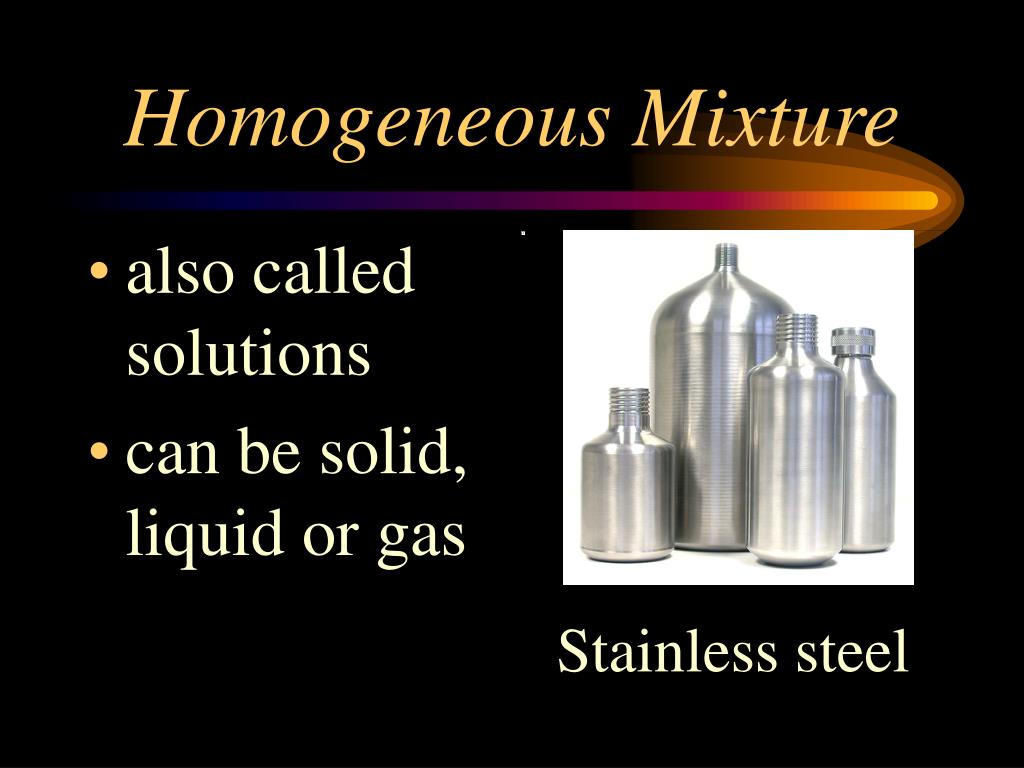
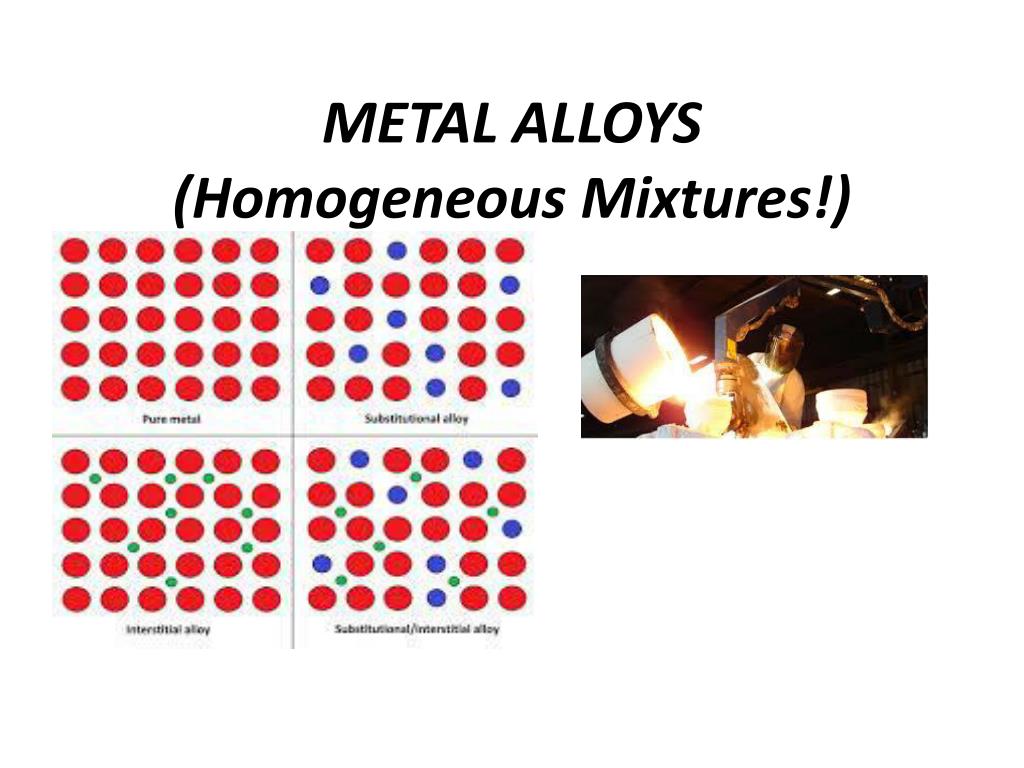
Steel is primarily iron mixed with a small amount of carbon. Think of it like a super-secret recipe where the ingredients are blended really well.
At first glance, steel seems perfectly uniform. You can't usually spot the iron and carbon hanging out separately, sipping tiny cups of tea.
That gives the impression of a homogeneous mixture, right? But wait... there's a plot twist!

The Microscopic Mayhem!
If you zoomed in on steel with a super-powered microscope (think Ant-Man levels of shrinking), you might see some variations.
Depending on how the steel was made and treated, you could potentially see different "phases" or tiny regions with slightly different compositions.
These variations are often on a microscopic scale. They don't jump out at you like chocolate chips in a cookie dough sea.
But their presence means that technically, some steels can be considered heterogeneous at a very, very small level!
The "Mostly Homogeneous" Champion
Here's the thing: for all practical purposes, we usually treat steel as a homogeneous mixture. The carbon is so finely dispersed within the iron that it appears uniform to the naked eye.
Even with most microscopes, it is hard to see difference. Imagine trying to find one specific grain of sand on a whole beach.
So, for everyday use, don't stress about the tiny microscopic variations. It’s good enough.
Why Does It Matter?
Knowing whether a mixture is homogeneous or heterogeneous helps us understand its properties. How it will react to heat, how strong it is, and even how it will corrode.
If steel were a wildly heterogeneous mixture (like a chunky soup), its strength and durability would vary wildly from one spot to another. Imagine the chaos!
Thankfully, the relatively homogeneous nature of steel allows us to build bridges, cars, and even those trusty spoons with confidence.
Different Types of Steel, Different Stories
Now, things get a little more complicated. There are many different types of steel!
Some steels contain other elements besides iron and carbon, like chromium, nickel, or manganese. These are added to give the steel specific properties, such as rust resistance or increased strength.
The distribution of these elements can affect whether the steel is considered more homogeneous or heterogeneous.
Stainless Steel: The Rust-Fighting Rockstar
For example, stainless steel contains chromium, which forms a protective layer that prevents rust. This chromium is usually pretty evenly distributed, keeping things nice and homogeneous.

Other types of steel might have larger clumps or inclusions of other materials, making them slightly more heterogeneous.
It’s like some cookie recipes call for nuts, some for raisins, and others just remain pure chocolate chips. Each version, a slightly different story.
The Verdict: It's Complicated!
So, is steel homogeneous or heterogeneous? The answer, as with many things in science, is: it depends!
For most practical purposes, we can consider steel to be a homogeneous mixture because it appears uniform to the naked eye.
However, at a microscopic level, some steels may exhibit heterogeneous characteristics due to variations in composition or the presence of different phases.
Don't Lose Sleep Over It!
The important thing is to understand the basic principles of mixtures and how they relate to the properties of materials like steel.
You don't need to memorize every single detail about the microstructure of steel. Just appreciate the amazing science that goes into making this incredibly useful material!
/TC_606106-heterogeneous-and-homogeneous-mixtures1-5ac4f1a9642dca0036847e52.png)
So, next time you see a steel bridge or use a steel utensil, take a moment to marvel at the (mostly) homogeneous magic that makes it all possible!
Steel: The Chameleon of Mixtures!
Consider steel as a chameleon, changing its apparent homogeneity depending on how closely you're looking.
From a distance, it's all smooth and uniform. Up close, it might reveal tiny secrets and variations.
Isn't science fascinating? It's all about exploring and understanding the world around us, one mixture at a time!
The Takeaway: Embrace the Nuance!
The key takeaway here is that the distinction between homogeneous and heterogeneous mixtures isn't always black and white. There's often a gray area, especially when dealing with complex materials like steel.
It's all about perspective and the level of detail you're looking at. Embrace the nuance and enjoy the journey of discovery!
Now go forth and impress your friends with your newfound knowledge of steel and mixtures! You're officially a mixture maestro!