Is Steel A Non Ferrous Metal

Ever gazed at the gleaming towers of a city skyline, or admired the sleek lines of your kitchen appliances? Chances are, you were looking at steel. From the humble paperclip to the mightiest bridge, steel is everywhere, silently shaping our world. But here's a question that often pops up in casual conversations, or even during a quirky pub quiz: Is steel a non-ferrous metal?
It's a question that sounds a bit technical, a bit like something only a materials scientist might ponder over a strong cup of coffee. But fear not! We're not diving into quantum physics today. Instead, let's uncover a surprising truth about this everyday hero that might just give you a new appreciation for the sturdy stuff around us.
The Big Reveal: Is Steel Non-Ferrous?
Drumroll, please! The simple, cheerful, and definitive answer is: Absolutely not! Steel is, in fact, the poster child for ferrous metals. It's like asking if a cat is a type of dog – a delightful thought, perhaps, but fundamentally incorrect. And why is this so important, you ask? Because it all boils down to one very special ingredient: iron.
Must Read
You see, the world of metals is broadly split into two main camps: ferrous and non-ferrous. Think of it as two big families. The ferrous family, a word derived from the Latin "ferrum" for iron, includes all metals that contain iron as their primary component. And guess what steel is made of? Primarily iron, mixed with a tiny bit of carbon to make it extra strong and tough. So, if iron is the star of the show, steel proudly wears its ferrous badge.
Meeting the Metal Families
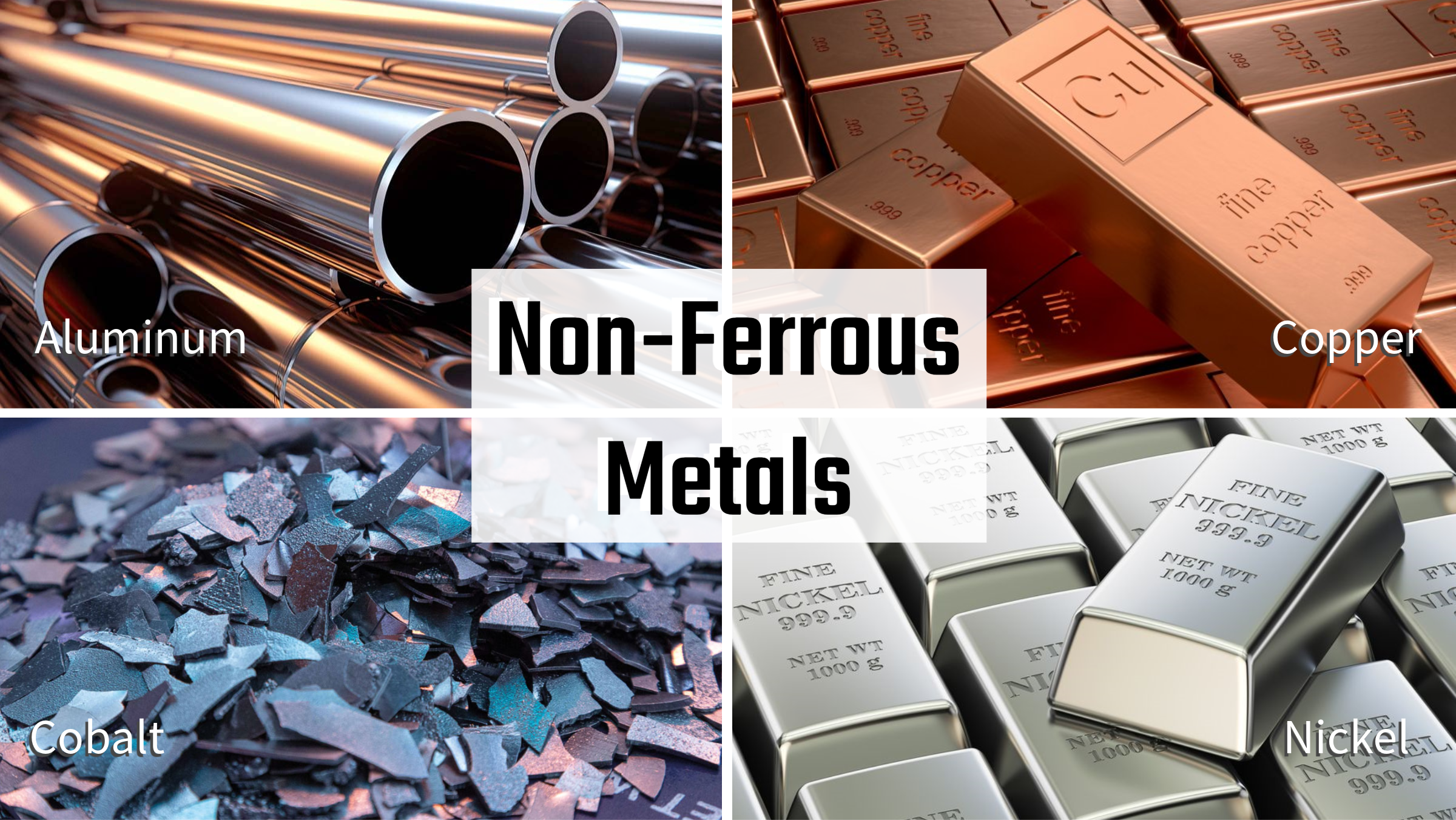
To truly appreciate steel's place in the world, let's quickly meet some other members of the metal families. In the non-ferrous camp, you'll find metals that contain little to no iron. Think of the shiny foil wrapping your lunchtime sandwich – that's aluminum. Or the plumbing pipes snaking through your walls – that's often copper. Your beautiful jewelry? Perhaps gold or silver. These metals, like brass or bronze, are fantastic for many things, often resisting rust or being lightweight, but they don't have iron at their heart.
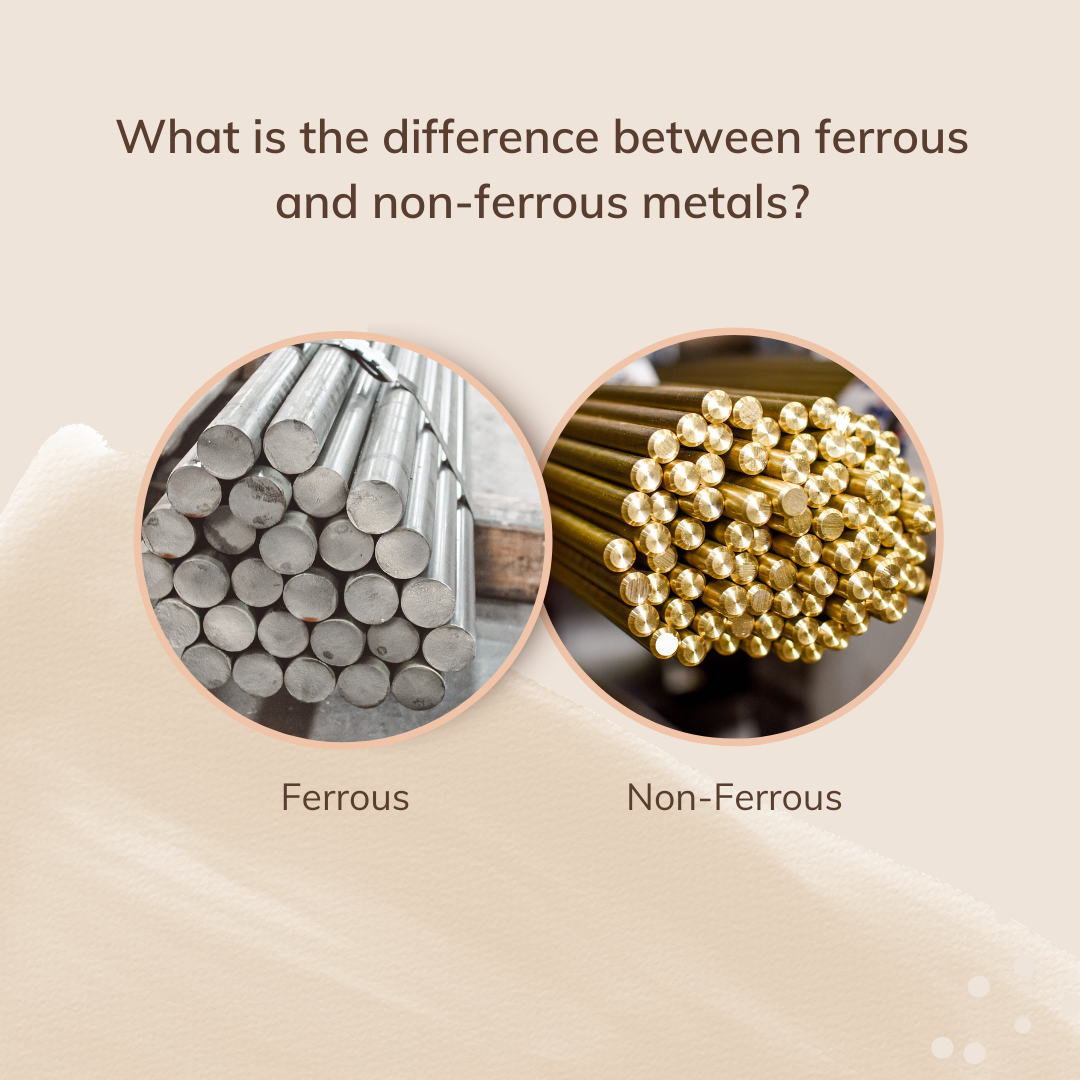
Now, back to the ferrous side. Beyond steel, you've got pure iron itself, along with other specialized iron alloys. The key characteristic that often gives away a ferrous metal? Its love for magnets! Ever stuck a fridge magnet to your dishwasher? That's the ferrous nature of steel in action. Try doing that with a roll of aluminum foil, and you'll be met with a distinct lack of enthusiasm from your magnet.
Why Does It Matter? (Beyond the Pub Quiz)
Knowing that steel is a ferrous metal isn't just about winning bragging rights. It explains so much about why steel is so incredibly useful to us. That strong magnetic attraction, for instance, isn't just a party trick; it's vital in everything from electric motors to scrap metal recycling, where massive magnets efficiently sort steel from other materials.

Its iron core also gives steel its legendary strength and durability. When you think of skyscrapers reaching for the clouds, the skeletal frame is almost certainly steel. The tools in your garage, the frame of your car, even the humble can holding your favorite soup – all owe their robust nature to the ferrous heart of steel.
Next time you stick a magnet to your fridge, give a little nod to the incredible ferrous nature of steel. It's the silent, strong backbone of our modern world, magnetizing our lives in more ways than one.
So, the next time someone casually wonders if steel is non-ferrous, you can confidently, and perhaps with a knowing smile, share this little nugget of information. It's a delightful reminder that sometimes, the most obvious answers about the things we use every day can hold the most interesting, and surprisingly heartwarming, stories.