Is Steel A Homogeneous Or Heterogeneous Mixture
Ever wondered why some things look smooth and uniform, while others are clearly made of different parts? That's where the fun world of mixtures comes in! And guess what? Even something as strong and reliable as steel can be a bit of a mystery in this regard. Understanding whether steel is a homogeneous or heterogeneous mixture isn't just a science lesson; it helps us appreciate how materials are engineered and why they behave the way they do. Think of it as unlocking a secret code to understanding the world around us! From bridges to buildings, cars to cookware, steel is everywhere. Knowing its composition is, surprisingly, quite useful.
So, what's the big deal about homogeneous versus heterogeneous? A homogeneous mixture is like a perfectly blended smoothie – you can't see the individual ingredients. It has a uniform composition throughout. Think of saltwater, where the salt is completely dissolved in the water. A heterogeneous mixture, on the other hand, is like a salad. You can easily see the different components – lettuce, tomatoes, cucumbers, etc. It doesn't have a uniform composition.
The purpose of understanding this difference is to predict and control the properties of materials. If you know something is homogeneous, you can expect consistent behavior from any part of it. If it's heterogeneous, you know that different areas might have different properties. For example, a well-mixed batch of concrete (hopefully homogeneous!) will cure evenly and provide consistent strength. If it's poorly mixed (heterogeneous!), some parts might be weak and prone to cracking.
Must Read
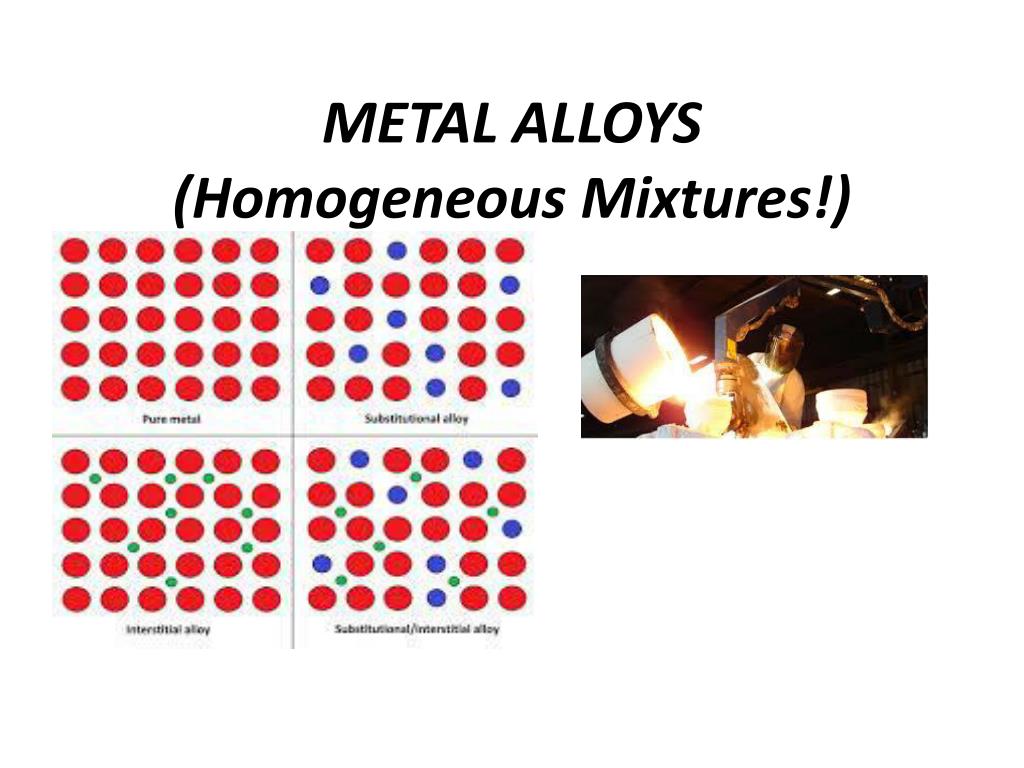
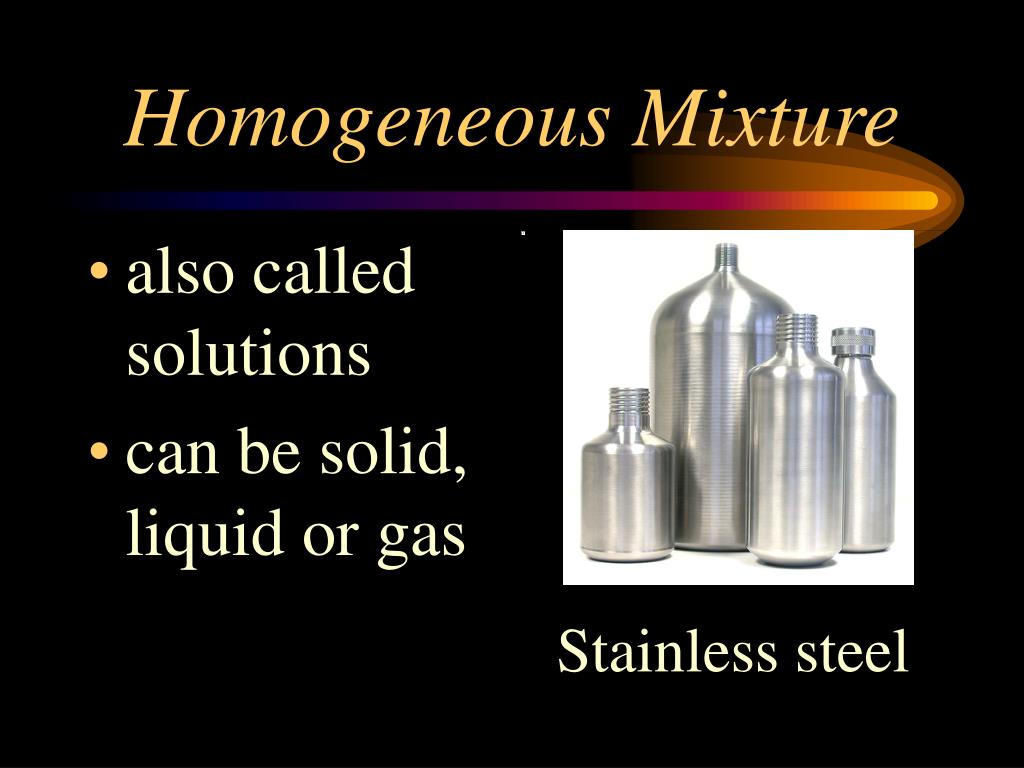
Now, back to steel! Steel is primarily made of iron, but it also contains other elements, most importantly carbon. These other elements are added to give steel specific properties like increased strength, hardness, or resistance to corrosion. Think of it like adding ingredients to a recipe to achieve a particular flavor. Technically, steel can be either homogeneous or heterogeneous, but the vast majority of steel we use is designed to be homogeneous. This is achieved through careful manufacturing processes that ensure the elements are evenly distributed throughout the iron.
/TC_606106-heterogeneous-and-homogeneous-mixtures1-5ac4f1a9642dca0036847e52.png)
However, it's not always perfect. At a microscopic level, even seemingly homogeneous steel can exhibit some heterogeneity. Different regions might have slightly different concentrations of carbon or other elements. But for most practical purposes, especially when considering larger samples, steel is treated as a homogeneous mixture. This allows engineers to predict its behavior and design structures and products that are safe and reliable.
So, the next time you see a massive steel structure or a finely crafted steel tool, remember that it's more than just iron. It's a carefully engineered mixture, designed to be as uniform as possible, giving it the strength and properties we rely on every day. Understanding this small detail helps us appreciate the science and engineering that goes into making the modern world possible.