
Is Stainless Steel Stronger Than Carbon Steel
Okay, let's talk steel. We all use it. Forks, knives, maybe even that fancy watch you're wearing. But which one reigns supreme: stainless steel or carbon steel? It's a battle for the ages!
Now, I know what you’re thinking. Carbon steel is tough, right? Picture a blacksmith hammering away, sparks flying. Sounds pretty darn strong.
But hold on a minute. Let's not jump to conclusions.
Must Read
The Strength Showdown: An Unpopular Opinion
I’m going to say something that might ruffle some feathers. I think stainless steel is secretly stronger. Yes, you heard me correctly! Prepare for the internet to disagree.
Don't get me wrong. Carbon steel has its place. It’s like that reliable old truck that can haul anything.
But stainless steel? It's like the stealthy sports car. Sleek, resilient, and ready for anything.
Why I Think Stainless Steel Gets a Bad Rap
Part of the problem is perception. Carbon steel rusts, which gives it this "battle-hardened" look. It looks like it's been through the wringer.
We see that rust and assume it’s a sign of strength. "Look how much this metal has endured!" we think.
But rust is actually weakness in disguise. It's metal slowly breaking down, flaking away. It's not a badge of honor; it's metal giving up!
Stainless steel, on the other hand, is too busy being shiny and resisting corrosion. It looks too… pristine. Therefore, people doubt its capabilities.
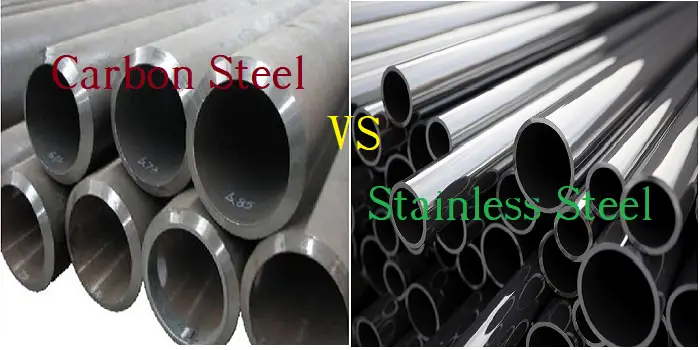
People seem to assume it can't possibly be as tough because it looks so good.
It's like judging a book by its cover, or a superhero by their impeccable costume.
The Corrosion Factor: A Game Changer
Think about it. What good is immense strength if your material crumbles to dust after a few years? That's carbon steel's biggest weakness.
Exposure to moisture and the elements is its kryptonite. Rust is always lurking around the corner.
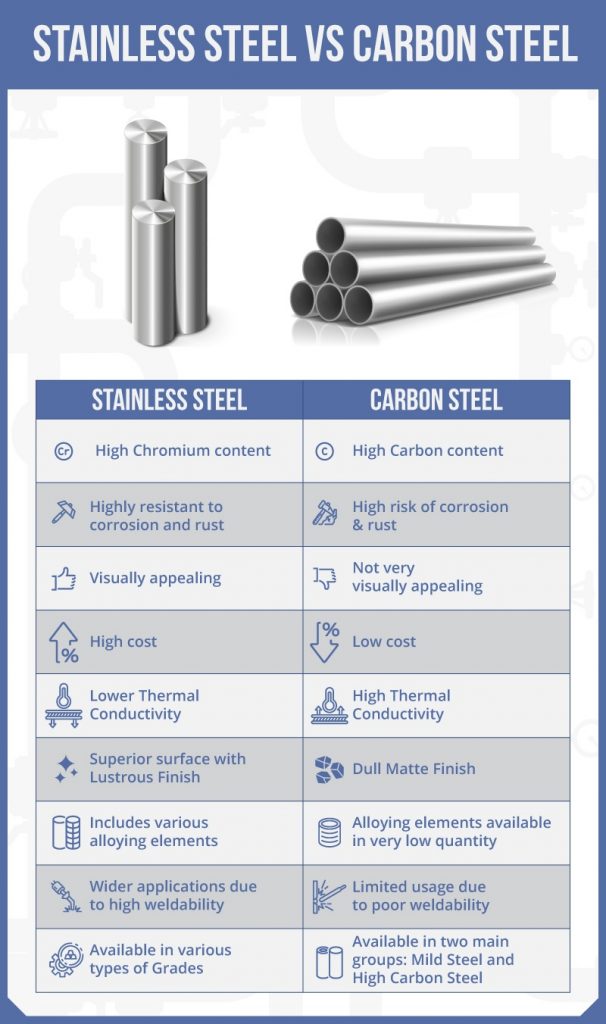
Stainless steel, thanks to its chromium content, forms a protective layer. This chromium oxide layer prevents rust and corrosion. It's like a self-healing shield.
This resistance to corrosion translates to long-term strength. Stainless steel might not be as initially hard as some carbon steels, but it will outlast them.
Imagine two weightlifters. One can lift a massive amount of weight once but then needs months to recover. The other can lift a respectable amount consistently, day after day.
The second weightlifter, consistently strong, is like stainless steel. It's the marathon runner, not the sprinter.

Beyond Rust: Other Considerations
There's also the issue of maintenance. Carbon steel requires constant care. You have to oil it, paint it, and generally baby it to prevent rust.
Stainless steel? Just wipe it down and it's good to go. It's like the low-maintenance friend we all wish we had.
Think of your kitchen knives. A high-carbon steel knife might take a sharper edge initially. But it will also rust if you don't dry it immediately.
A stainless steel knife might not get quite as razor-sharp, but you can leave it in the sink overnight (not that I recommend it!) without fear of it turning into a rusty mess.
The Real-World Applications
Consider where each material is used. Carbon steel is great for things that need to withstand high impact, like tools and some types of construction.
But stainless steel shines in applications where corrosion resistance is critical. Think of medical implants, food processing equipment, and marine environments.
Would you want a rusty surgical instrument inside you? I think not! Stainless steel's biocompatibility and resistance to corrosion are crucial in such applications.
Ever seen a rusty yacht? Probably not. Marine environments are incredibly harsh, and stainless steel is the go-to choice for boat fittings and other components that need to withstand constant exposure to saltwater.
The "Beauty" Factor (Yes, It Matters!)
Let's be honest, stainless steel looks good. It's sleek, modern, and easy to clean. It adds a touch of class to whatever it's used in.
Carbon steel, especially when it’s rusted, can look… well, let's just say it's not winning any beauty contests.
Aesthetics matter, especially in consumer products. People are willing to pay a premium for something that looks good, even if it's functionally similar to a less attractive alternative.
Addressing the "Hardness" Argument
Okay, I know some of you are still hung up on the hardness factor. It's true that some carbon steels can be hardened to a higher degree than most stainless steels.
But hardness isn't everything. Think of glass. It's very hard, but also very brittle. It shatters easily.
Strength is a combination of hardness, tensile strength, and yield strength. It's about how well a material can withstand different types of stress without breaking or deforming.
Stainless steel often has a higher tensile strength than carbon steel, meaning it can withstand more pulling force before breaking.

The Price Point: A Fair Consideration
Stainless steel is generally more expensive than carbon steel. This is due to the added cost of the chromium and other alloying elements.
However, consider the long-term cost. The reduced maintenance and increased lifespan of stainless steel can often offset the higher initial cost.
It's like buying a cheaper car that requires constant repairs versus a more expensive car that's more reliable. In the long run, the more reliable car might actually save you money.
My Final (Possibly Controversial) Verdict
So, is stainless steel stronger than carbon steel? In my (possibly unpopular) opinion, yes, in many ways it is.
While carbon steel might have a higher initial hardness in some cases, stainless steel's superior corrosion resistance and tensile strength make it a stronger choice for many applications in the long run.
It's the tortoise and the hare situation. Slow and steady wins the race. And in the world of materials, corrosion resistance is key to long-term strength.
Ultimately, the best material depends on the specific application. But don't underestimate the power of stainless steel. It's not just pretty; it's secretly strong.
Don't @ me.