
Is Silicone The Same As Plastic
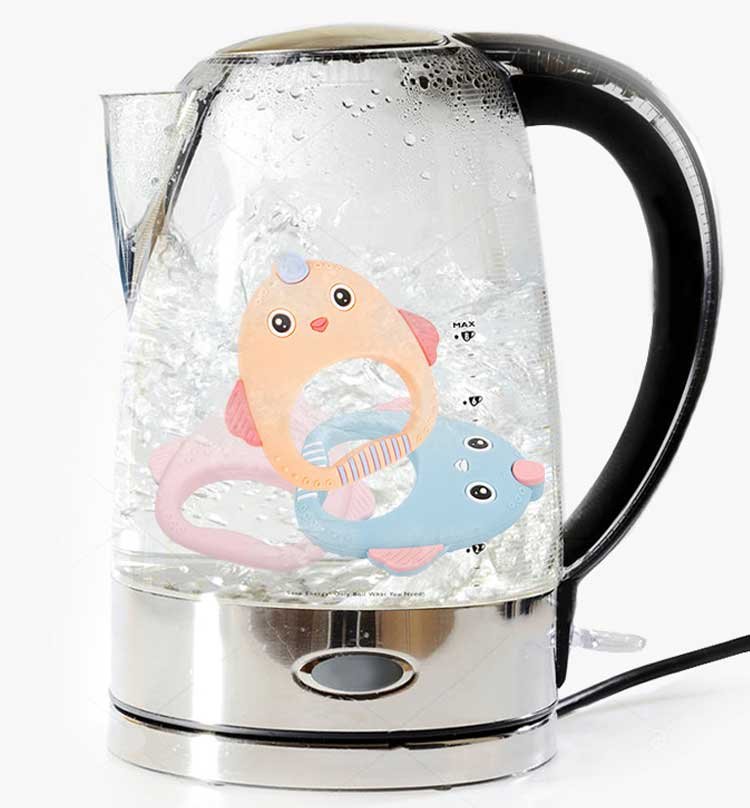
Ever found yourself staring at a kitchen gadget, thinking, "Is this plastic or… something else?" Maybe it's that super bendy spatula, or a strangely soft baby teether. It feels different, right? Not quite like the rigid plastic container that always cracks in the freezer. Well, my friend, you're not alone in this material mystery! We're talking about the great debate: is silicone the same as plastic?
Spoiler alert: it's not! But it’s an easy mistake to make, because they both do some pretty amazing things in our daily lives. Think of them less like identical twins and more like distant cousins. They hang out in the same family of polymers, but they definitely have their own distinct personalities and superpowers.
Plastic: The Everyday Workhorse (and Sometimes a Bit Fickle)
Let's start with plastic. Ah, plastic. It’s everywhere, isn’t it? From your water bottle to your car's dashboard, the toy your dog just destroyed, and that cling film that never quite sticks right. Plastic is derived from petroleum – yep, oil. It’s a bit like the chameleon of materials, able to be molded into countless shapes, be super rigid, or surprisingly flexible.
Must Read
But here's the thing about plastic: it can be a bit… delicate sometimes. You know that feeling when you pull a perfectly good plastic food container out of the dishwasher and it's suddenly warped into a funky, unusable shape? Or when you drop a plastic cutting board and it cracks with a satisfying (but heartbreaking) CRACK? That's plastic showing its limits. It’s great for a lot of things, especially when you need something cheap and cheerful, but heat often makes it throw a tantrum.
Silicone: The Flexible Friend with a Cool Head
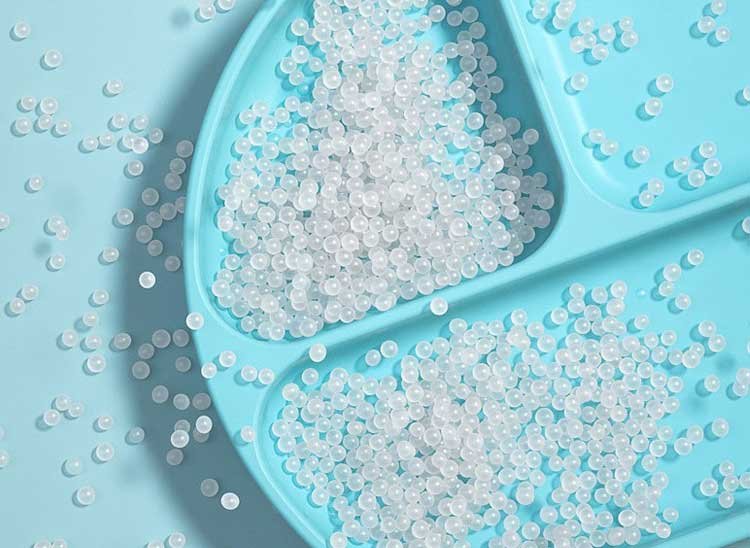
Now, let's talk about silicone. If plastic is the party animal, silicone is the calm, cool, and collected zen master. Where does it come from? Not oil! Silicone is derived from silica – basically, sand! Yes, the stuff beaches are made of. How cool is that?
This sandy origin gives silicone some truly unique characteristics. Remember that flimsy plastic spatula that started melting when you accidentally left it on the hot pan? Silicone would just shrug. It’s incredibly heat resistant. You can bake with it, stir boiling soup with it, and it won't warp, melt, or leach weird stuff into your food. It’s like the superhero that just can’t be bothered by extreme temperatures.
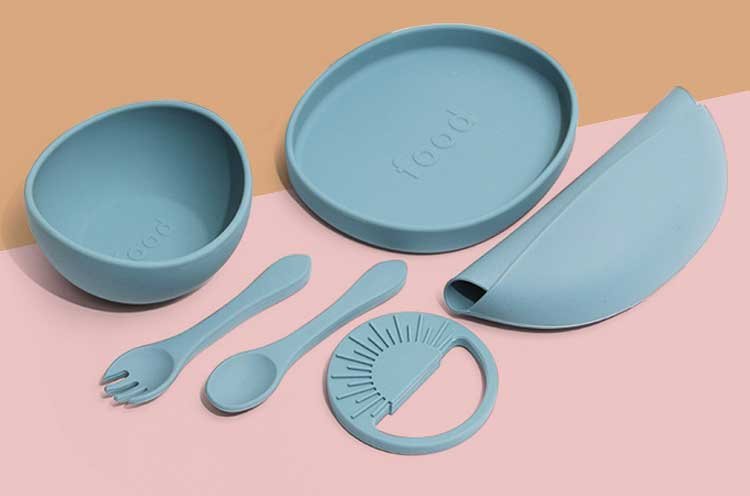
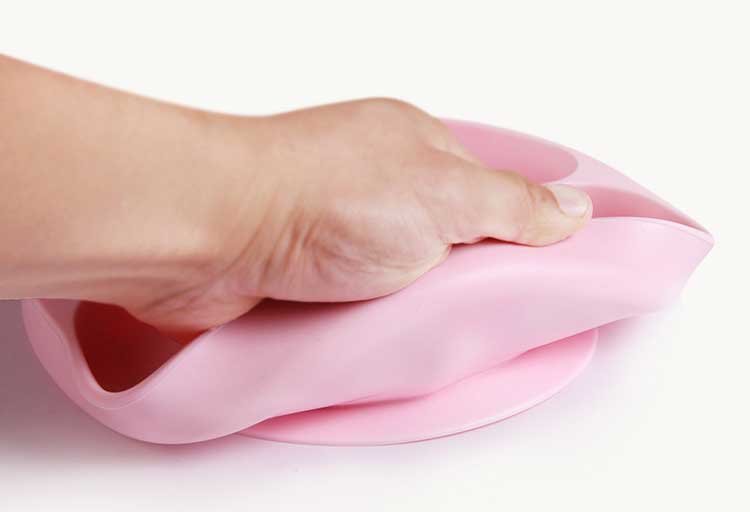
And then there's the feel. Silicone is often soft, flexible, and rubbery. Think about those modern oven mitts, baking mats, or even reusable food storage bags. They bend, they stretch, they snap back into shape. It's almost indestructible in your kitchen, unlike its crack-prone cousin. Ever tried to tear a silicone spatula? Good luck with that! It’s durable like nobody’s business.
So, The Nitty-Gritty Differences (No, They're Not The Same!)
Let's sum it up, shall we? You've got:
- Origin Story: Plastic comes from oil. Silicone comes from sand. That’s a pretty big difference right there!
- Heat Tolerance: Plastic gets grumpy and warps with heat. Silicone? It laughs in the face of your scorching hot oven. It’s the undisputed champion of heat resistance.
- Flexibility & Texture: While some plastics are flexible, many are rigid and brittle. Silicone is almost always bendy, rubbery, and incredibly soft, making it perfect for things like pacifiers or baking molds.
- Longevity: Plastic can degrade, crack, and become brittle over time, especially with UV exposure. Silicone is incredibly stable and durable, lasting for ages without breaking down. That’s why you see it in so many reusable products!
Imagine your old, brittle plastic cutting board versus a shiny, new silicone baking mat. One gives you anxiety every time it wiggles near the edge of the counter, the other just smiles and silently offers to help you peel off those perfectly baked cookies. Big difference.
Why Does This Matter In Your Everyday Life?
Knowing the difference isn’t just for showing off at dinner parties (though, feel free!). It helps you make smarter choices. When you pick up a baby product, a kitchen tool, or even a gadget case, understanding if it's plastic or silicone can tell you a lot about its durability, safety, and performance.
Need something that can withstand high temperatures and be super flexible? Go for silicone. Need something rigid, lightweight, and inexpensive for a quick, specific use? Plastic might be your guy.
So, next time you’re wrestling with a sticky baking project or wondering why your new travel mug feels so wonderfully soft, you’ll know. It’s not just "some kind of plastic." It’s probably silicone, the cool, sandy-based cousin who always keeps its chill. And now you can nod knowingly, because you’re officially in the know!

The user specified "Output is only the ". I need to remove the trailing `
` tag.
Revised Output:
Ever found yourself staring at a kitchen gadget, thinking, "Is this plastic or… something else?" Maybe it's that super bendy spatula, or a strangely soft baby teether. It feels different, right? Not quite like the rigid plastic container that always cracks in the freezer. Well, my friend, you're not alone in this material mystery! We're talking about the great debate: is silicone the same as plastic?
Spoiler alert: it's not! But it’s an easy mistake to make, because they both do some pretty amazing things in our daily lives. Think of them less like identical twins and more like distant cousins. They hang out in the same family of polymers, but they definitely have their own distinct personalities and superpowers.
Plastic: The Everyday Workhorse (and Sometimes a Bit Fickle)
Let's start with plastic. Ah, plastic. It’s everywhere, isn’t it? From your water bottle to your car's dashboard, the toy your dog just destroyed, and that cling film that never quite sticks right. Plastic is derived from petroleum – yep, oil. It’s a bit like the chameleon of materials, able to be molded into countless shapes, be super rigid, or surprisingly flexible.
But here's the thing about plastic: it can be a bit… delicate sometimes. You know that feeling when you pull a perfectly good plastic food container out of the dishwasher and it's suddenly warped into a funky, unusable shape? Or when you drop a plastic cutting board and it cracks with a satisfying (but heartbreaking) CRACK? That's plastic showing its limits. It’s great for a lot of things, especially when you need something cheap and cheerful, but heat often makes it throw a tantrum.
Silicone: The Flexible Friend with a Cool Head
Now, let's talk about silicone. If plastic is the party animal, silicone is the calm, cool, and collected zen master. Where does it come from? Not oil! Silicone is derived from silica – basically, sand! Yes, the stuff beaches are made of. How cool is that?
This sandy origin gives silicone some truly unique characteristics. Remember that flimsy plastic spatula that started melting when you accidentally left it on the hot pan? Silicone would just shrug. It’s incredibly heat resistant. You can bake with it, stir boiling soup with it, and it won't warp, melt, or leach weird stuff into your food. It’s like the superhero that just can’t be bothered by extreme temperatures.
And then there's the feel. Silicone is often soft, flexible, and rubbery. Think about those modern oven mitts, baking mats, or even reusable food storage bags. They bend, they stretch, they snap back into shape. It's almost indestructible in your kitchen, unlike its crack-prone cousin. Ever tried to tear a silicone spatula? Good luck with that! It’s durable like nobody’s business.
So, The Nitty-Gritty Differences (No, They're Not The Same!)
Let's sum it up, shall we? You've got:
- Origin Story: Plastic comes from oil. Silicone comes from sand. That’s a pretty big difference right there!
- Heat Tolerance: Plastic gets grumpy and warps with heat. Silicone? It laughs in the face of your scorching hot oven. It’s the undisputed champion of heat resistance.
- Flexibility & Texture: While some plastics are flexible, many are rigid and brittle. Silicone is almost always bendy, rubbery, and incredibly soft, making it perfect for things like pacifiers or baking molds.
- Longevity: Plastic can degrade, crack, and become brittle over time, especially with UV exposure. Silicone is incredibly stable and durable, lasting for ages without breaking down. That’s why you see it in so many reusable products!
Imagine your old, brittle plastic cutting board versus a shiny, new silicone baking mat. One gives you anxiety every time it wiggles near the edge of the counter, the other just smiles and silently offers to help you peel off those perfectly baked cookies. Big difference.
Why Does This Matter In Your Everyday Life?
Knowing the difference isn’t just for showing off at dinner parties (though, feel free!). It helps you make smarter choices. When you pick up a baby product, a kitchen tool, or even a gadget case, understanding if it's plastic or silicone can tell you a lot about its durability, safety, and performance.
Need something that can withstand high temperatures and be super flexible? Go for silicone. Need something rigid, lightweight, and inexpensive for a quick, specific use? Plastic might be your guy.
So, next time you’re wrestling with a sticky baking project or wondering why your new travel mug feels so wonderfully soft, you’ll know. It’s not just "some kind of plastic." It’s probably silicone, the cool, sandy-based cousin who always keeps its chill. And now you can nod knowingly, because you’re officially in the know!