Is Semiconductor A Metal Nonmetal Or Metalloid
Have you ever stopped to wonder what makes your phone, computer, or even your car's infotainment system tick? It's all thanks to tiny, incredibly complex components called semiconductors. But what are they, exactly? And more specifically, are they metals, nonmetals, or something in between? This might seem like a dry, technical question, but understanding the answer unlocks a whole new appreciation for the technology that surrounds us.
Why is this interesting? Well, semiconductors are fundamental to modern life. They're the building blocks of nearly every electronic device we use. Grasping their nature helps us understand how these devices function and even appreciate the incredible advancements in materials science that made them possible. Plus, it’s just plain cool to learn about the unseen heroes powering our digital world!
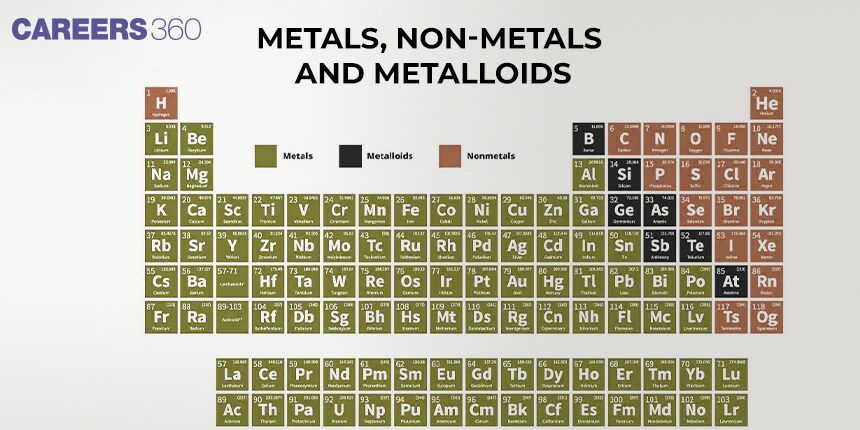
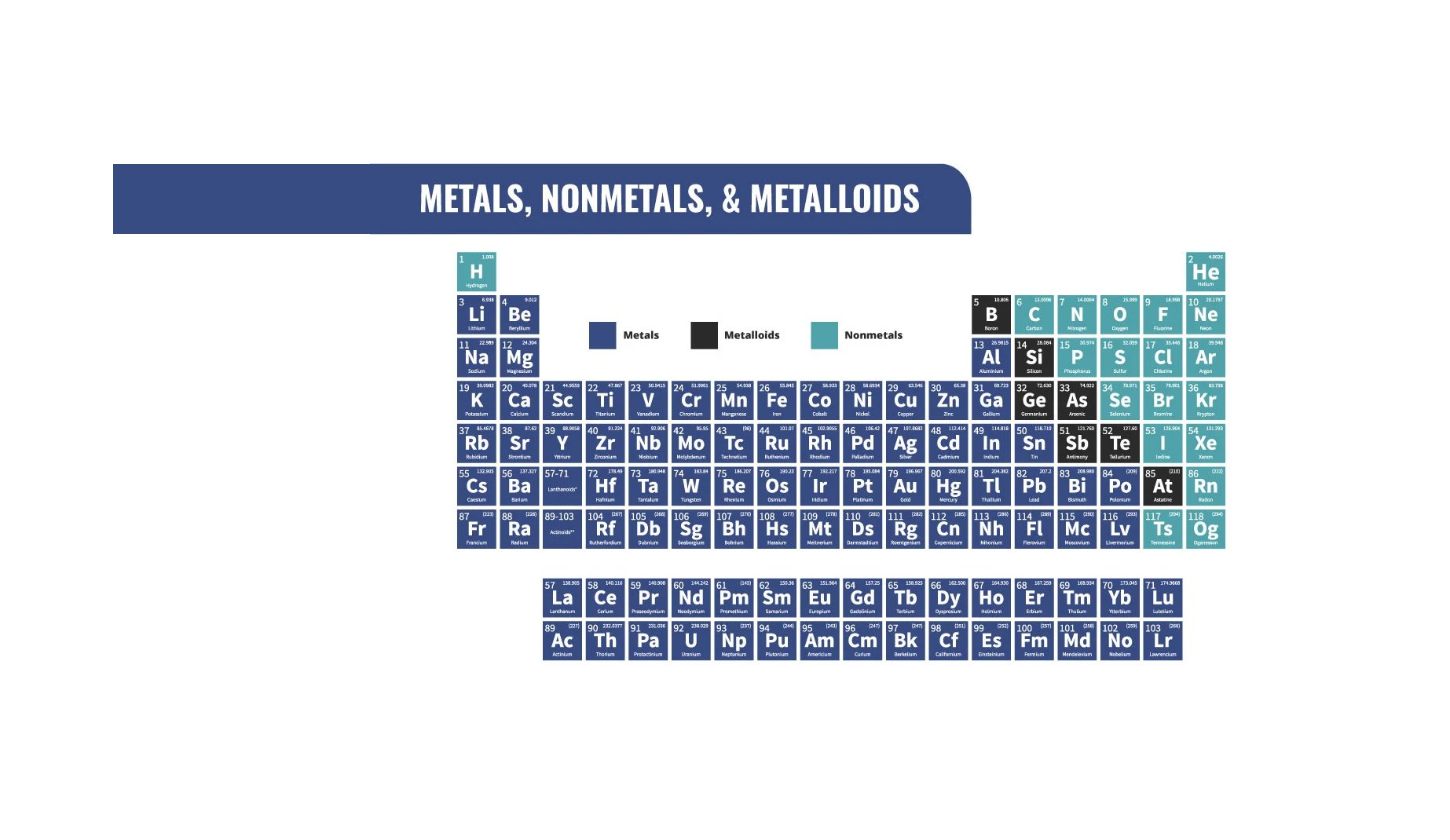
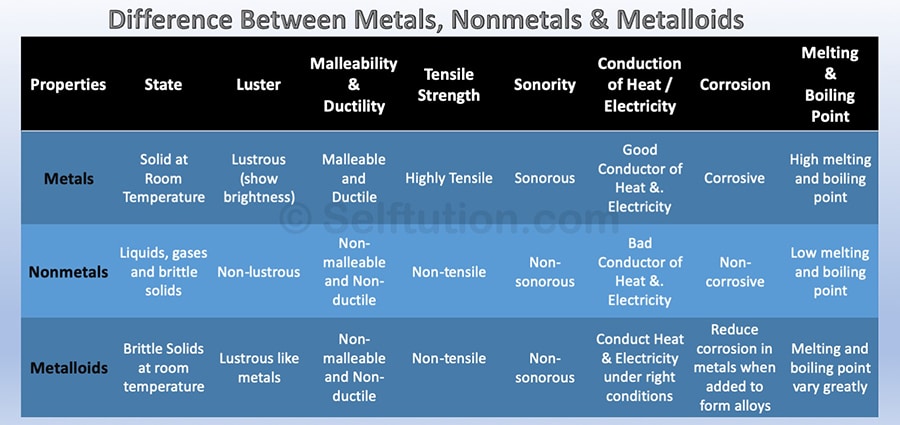
So, what exactly is a semiconductor? It's not quite a metal, and it's not quite a nonmetal. Instead, it's a metalloid, possessing properties of both. Think of it like a Goldilocks material – not too conductive (like metals), and not too insulating (like nonmetals), but just right. This "just right" conductivity is what makes them so incredibly useful.
Must Read
The beauty of semiconductors lies in their ability to control the flow of electricity. By adding tiny amounts of other elements – a process called doping – we can precisely adjust their conductivity. This allows us to create transistors, the switches that form the basis of all digital circuits. Imagine a light switch controlling the flow of light. Transistors do the same, but with electricity and on a scale smaller than a human hair!
You encounter semiconductors every single day. In education, calculators and computers rely on them to perform calculations and process information. In daily life, they're in your smartphone, your television, your washing machine, and even the traffic lights controlling your commute! Your car likely contains dozens, if not hundreds, of semiconductors managing everything from engine control to airbag deployment. Consider the humble USB drive – a marvel of semiconductor engineering that allows us to store and transport vast amounts of data.

Want to explore semiconductors further? Here are a few simple ideas:
- Research specific semiconductors: Silicon is the most common, but germanium, gallium arsenide, and others are also used. Learning about their unique properties can be fascinating.
- Disassemble old electronics (safely!): With supervision (especially for children), taking apart discarded electronics can reveal the physical components containing semiconductors. (Be careful of sharp edges and potential hazards!)
- Explore online simulations: Many websites offer interactive simulations of electronic circuits, allowing you to experiment with transistors and other semiconductor-based devices.
- Watch documentaries: Many excellent documentaries explore the history and science of semiconductors, providing a deeper understanding of their impact on the world.
Semiconductors may be tiny, but their impact is enormous. By understanding their nature as metalloids and their ability to control electricity, we gain a greater appreciation for the technology that shapes our lives. So, next time you use your phone or computer, remember the incredible engineering marvel hidden inside – the semiconductor!