
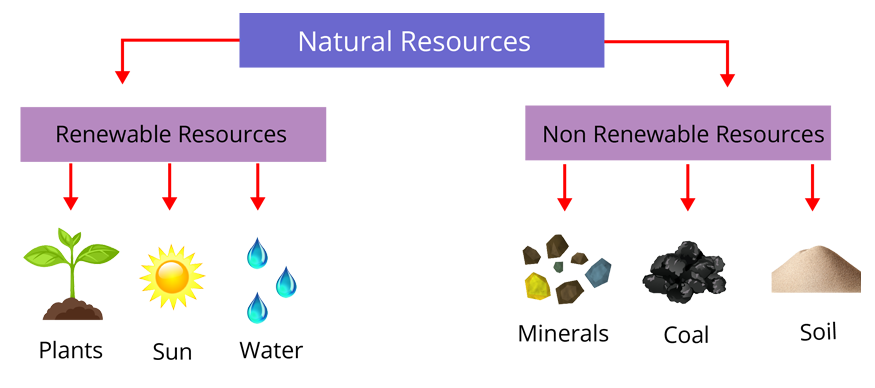
Is Sand A Renewable Or Nonrenewable Resource

Ever built a sandcastle? Ever wiggle your toes in warm beach sand? It's magical stuff, isn't it? But have you ever stopped to wonder where it all comes from? And more importantly, will we run out?
The Great Sand Question: Renewable or Not?
That's the big question! Is sand a resource that mother nature keeps replenishing? Or are we using it up faster than she can make it?
It's a bit of a tricky question because the answer is: it depends!
Must Read
What Makes Sand, Sand?
First, let's get a bit nerdy. Sand isn't just any old dirt. It's tiny grains of minerals, rock, and sometimes even shells. Think of it as the Earth's little building blocks.
The most common type? Quartz. This is a super tough mineral that resists weathering. It's basically the Superman of the mineral world.
But sand also contains other fun stuff like feldspar and mica. Plus, depending on where you are, you might find bits of coral, volcanic rock, or even ground-up sea creatures!
The Amazing Sand-Making Machine
Nature makes sand through a process called "weathering." Imagine wind, rain, and ice constantly attacking rocks. Over time, they break down into smaller and smaller pieces.
It's like a super slow, natural demolition crew. And that's how we get the raw materials for sand. Rivers then carry these tiny pieces downstream to the oceans and coastlines.
Waves and currents then sort and deposit the sand, creating those beautiful beaches we all love. Isn't that amazing?
The "Renewable" Side of the Story
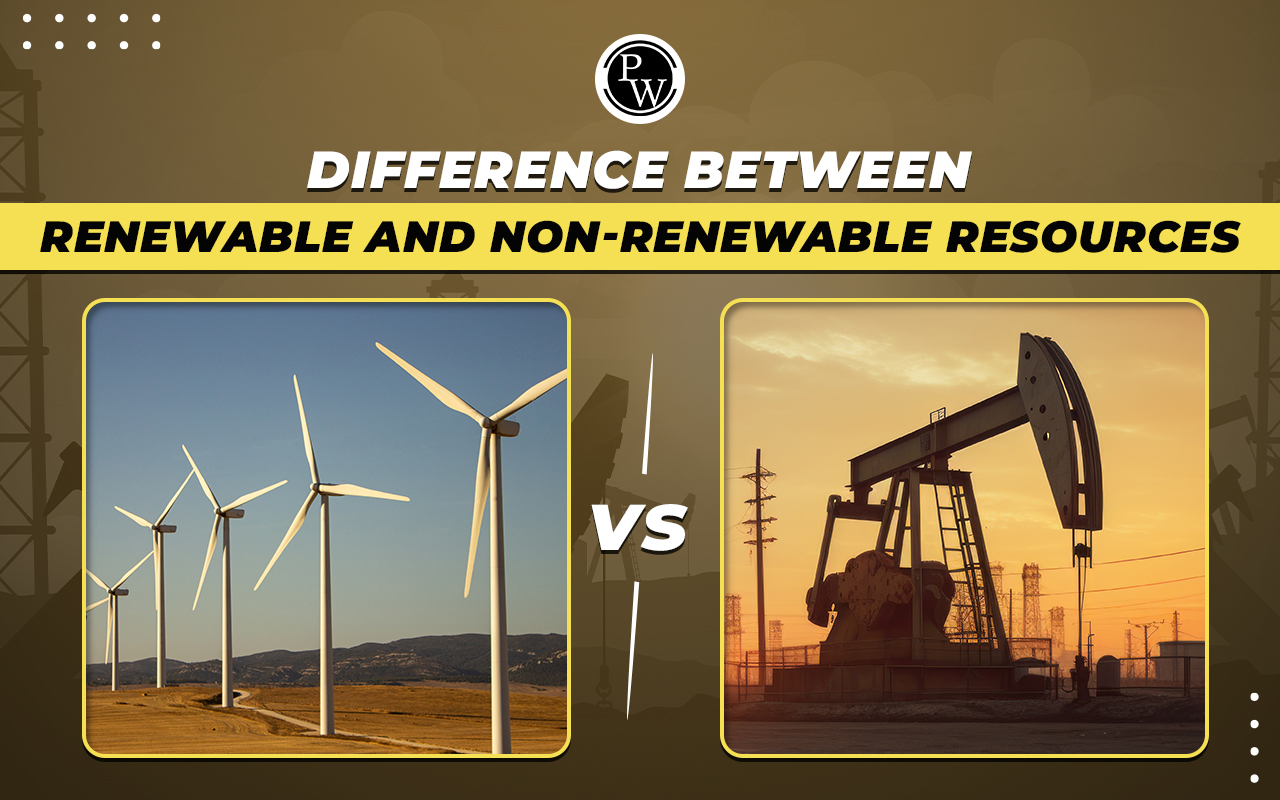
So, because nature is constantly making sand, you could argue it's renewable. Rivers keep flowing. Rocks keep crumbling. The sand production line chugs along.
In some places, the rate of sand creation might even keep up with our use. Think remote beaches and vast deserts.
But hold your horses, because there's another side to the story!
The "Non-Renewable" Side of the Story
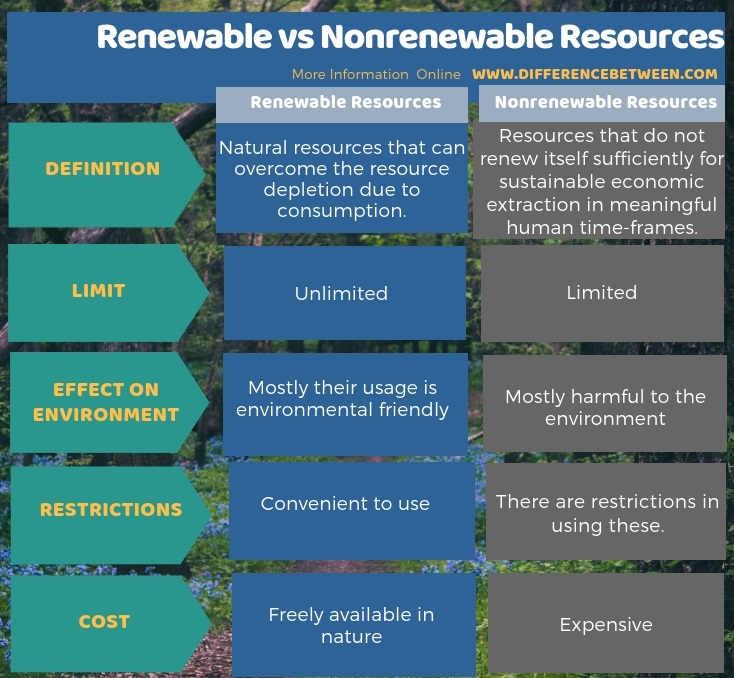
Here's the catch. We're using sand at an astonishing rate! Way faster than nature can replace it in many areas.
Why? Because we need sand for, well, everything! Especially for making concrete.
And concrete is the backbone of modern society. It's in our buildings, bridges, roads...basically everything around us. We're addicted to concrete, and that means we're addicted to sand.
The Global Sand Rush
The demand for sand is insane. Some experts even call it a "sand crisis." We're talking about billions of tons of sand every year.
Think about those giant skyscrapers you see in cities around the world. Each one needed a staggering amount of sand. And where do you think that sand comes from?
Unfortunately, the easiest and cheapest way to get sand is often from riverbeds and coastlines. And that's where things get messy.
The Dark Side of Sand Mining
Rampant sand mining can have devastating consequences. It can destroy ecosystems, erode coastlines, and even lead to flooding.
Imagine taking away the sand dunes that protect a coastal community from storms. That's a recipe for disaster!
Illegal sand mining is also a huge problem in many parts of the world. It's a dirty business with serious environmental and social impacts.
This is particularly prevalent in countries where governance is weak, and regulations are poorly enforced.
Desert Sand: Not as Useful as You Think
You might be thinking, "Hey, we have deserts! Why not just use desert sand?" Good question!

But desert sand is actually too smooth and round for making concrete. It's been polished by the wind for millennia. It doesn't bind together well.
Think of trying to build a sandcastle with super fine, dry desert sand. It just collapses, right? That's the same problem with concrete.
What Can We Do?
So, what's the solution? Can we save our sandcastles and our planet?
First, we need to be more mindful of our sand consumption. Can we reduce our reliance on concrete? Are there alternative building materials we can use?
Second, we need to regulate sand mining more effectively. Stricter enforcement and sustainable mining practices are crucial.
Recycling and Innovation
Recycling concrete is another promising solution. We can crush old concrete and reuse it as aggregate in new construction.
Scientists are also exploring alternative materials for concrete. Everything from recycled plastic to agricultural waste is being tested.
Maybe someday we'll have concrete made from seaweed! Now that's a thought!
Sand: More Than Just a Pretty Beach
Sand is more than just a pretty beach or a fun place to play. It's a vital resource that underpins our modern world.
Understanding the sand crisis is crucial for building a sustainable future. We need to be responsible consumers and advocates for change. Think globally, act locally.
So, the next time you sink your toes into the sand, take a moment to appreciate its importance. And maybe even think about how you can help protect this precious resource.
The Final Verdict
So, is sand renewable or non-renewable? The answer, as you now know, is complicated. It's more accurate to say that the rate at which we are currently consuming sand is unsustainable.
We're using it up faster than nature can replenish it in many areas. Therefore, in practical terms, it's behaving like a non-renewable resource.
The future of our sand supply depends on our actions today. Let's choose wisely!