
Is Rubber And Latex The Same

Okay, so picture this: I was at a friend's place the other day, and they were talking about planning a party. "We need balloons!" they exclaimed, then paused, looking a bit stressed. "Wait, do you think they're latex? Because my cousin has a super serious latex allergy, and I don't want to accidentally send her to the ER just for a festive balloon." Then, in the next breath, they pointed to a rubber band on the table and said, "But this is just rubber, right? That's fine. It's not the same as latex, is it?"
And honestly, I just kind of blinked. Because haven't we all, at some point, used the words "rubber" and "latex" pretty interchangeably? Or at least felt a tiny ping of confusion? It's like calling all tissues "Kleenex" or all sticky notes "Post-its." They're related, sure, but are they the same thing? Or like, cousins? Or completely different beasts that just happen to hang out in the same material family?
Spoiler alert: It's a bit of both, and a lot more nuanced than you might think. So, grab a coffee (or a non-latex glove, if you're feeling fancy) and let's dive into this stretchy mystery, shall we?
Must Read
Natural Latex: The OG
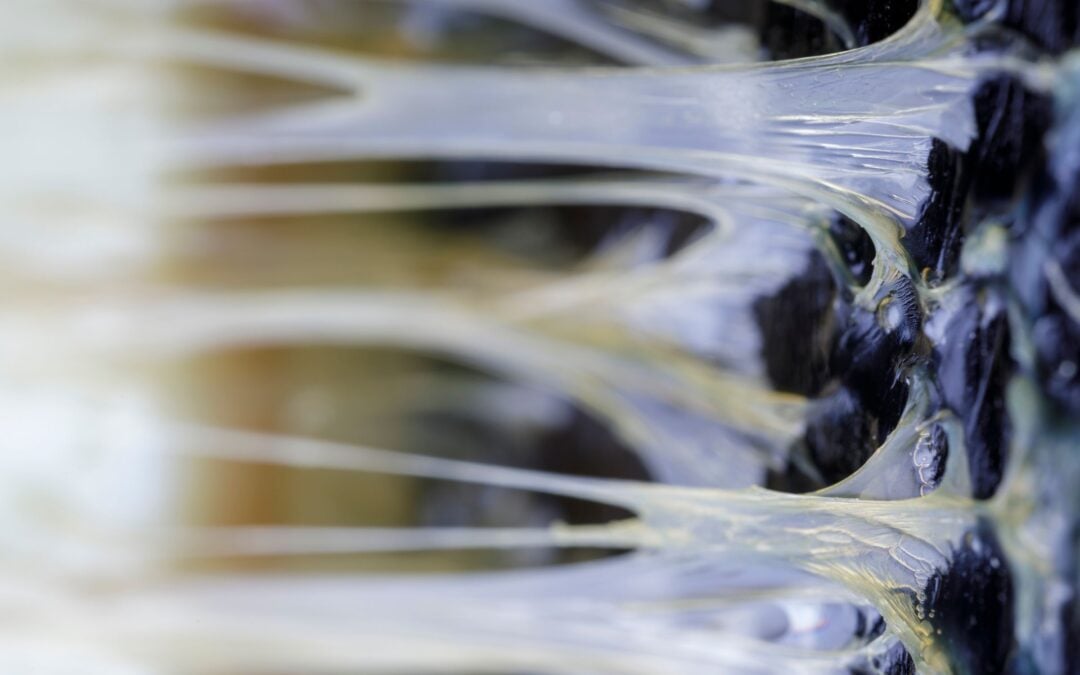
Let's start with latex, specifically natural rubber latex. When most people say "latex," this is what they're usually referring to. Think about it: where does it come from? The mighty rubber tree, scientifically known as Hevea brasiliensis. Yes, those beautiful trees are basically nature's own little sap factories, producing a milky, white liquid that we harvest. This liquid, the tree's defense mechanism, is what we call natural latex.
It's super elastic, incredibly flexible, and has amazing properties that make it perfect for things like your everyday balloons, those stretchy medical gloves, condoms, and even some types of bouncy balls. It's this natural goodness that gives products their characteristic stretch and snap. Pretty cool, right? Nature's own stretchy goo!

Rubber: The Big Umbrella
Now, let's talk about rubber. Here's where it gets a little more complex. Think of "rubber" as the big, comfy, all-encompassing armchair, and natural latex as one specific type of cushion on that armchair. Rubber is a much broader term.
It includes not only the stuff that comes from those rubber trees (that's our natural latex, which, once processed, becomes natural rubber) but also a whole host of materials that are entirely man-made. We're talking about synthetic rubbers here, folks!
These synthetic varieties are engineered in labs, often from petroleum-based compounds. Examples include Nitrile rubber (you know, those blue or purple "latex-free" gloves that are super popular), neoprene (hello, wetsuits!), and Styrene-Butadiene Rubber (SBR), which is commonly used in, say, car tires and shoe soles. These aren't tapped from a tree; they're cooked up by clever scientists.

So, the key takeaway here is: all natural latex is a form of rubber (specifically, natural rubber), but not all rubber is latex. Get it? It's like saying all apples are fruit, but not all fruit are apples. Mind-blown yet?
The Allergy Angle: Where It Really Matters
This distinction isn't just a fun fact for your next trivia night; it's genuinely important, especially when we talk about allergies. The reason my friend was worried about balloons and her cousin's allergy? That's because a natural rubber latex allergy is a very real, and sometimes very serious, condition.
People with this allergy are reacting to specific proteins found in the natural latex sap from the rubber tree. These proteins can cause reactions ranging from mild skin irritation to life-threatening anaphylaxis. It's no joke, and definitely not something you want to mess around with.
And here's the crucial bit: because synthetic rubbers are man-made and don't come from the rubber tree, they generally do not contain these allergenic proteins. That's why you see so many "latex-free" products on the market – they're usually made from synthetic rubbers like nitrile or vinyl, offering an alternative for those who need to avoid natural latex.
So, while a rubber band (often made from natural rubber, hence the elasticity) could trigger an allergy for a sensitive individual, a car tire or a pair of nitrile gloves almost certainly won't, because they're made from synthetic rubber that doesn't contain those pesky proteins. See how that all connects back to our anecdote now?
The Takeaway: Knowledge is Power (and Safety!)
So, to wrap this up in a neat, non-allergenic bow: when someone says "latex," they're most likely referring to natural rubber latex, the stretchy stuff that comes from a tree and contains proteins that can cause allergic reactions. When someone says "rubber," they could mean natural rubber (derived from latex) OR any number of synthetic rubbers made in a factory, which are generally safe for people with latex allergies.
The next time you're faced with a label that says "rubber" or "latex," take a moment. If it's for medical use, personal protection, or involves someone with an allergy, always opt for clarity. Look for "natural rubber latex" if that's what you need to avoid or use. If it just says "rubber," and allergy is a concern, check if it specifies "synthetic rubber" or "latex-free."
It's not just semantics; it's about understanding the world around us, one stretchy, elastic mystery at a time. Hope that clears things up for you! Stay curious, my friends!