
Is Renewable Energy More Efficient Than Fossil Fuels
Alright, gather 'round, folks! Let's talk energy! Specifically, let's dive into the epic showdown: Renewable Energy vs. Fossil Fuels! It's like Batman vs. the Joker, except instead of punching, they're… powering our toasters. And instead of Gotham, it's, well, the entire planet. High stakes, people!
The million-dollar (or should I say, quadrillion-dollar, considering the energy market) question is: Which one is more efficient? Now, efficiency can be a tricky beast. It's not just about which one gives you the biggest bang for your buck – it's about how much bang you get for every bit of resource you use.
Let's start with the old guard: Fossil Fuels. These are the dinosaurs (literally, kinda) of the energy world – coal, oil, and natural gas. They've been around for ages, powering our cars, heating our homes, and generally keeping the lights on. We dig 'em up, burn 'em, and voila! Energy! It's like a really, really slow-cooked barbeque, except instead of ribs, we get electricity. Delicious, right?
Must Read
Except… here’s the thing. Fossil fuels, while providing a hefty chunk of energy, are about as efficient as a caffeinated sloth trying to run a marathon. Okay, maybe a slight exaggeration, but bear with me. The extraction process – digging mines, drilling wells – is messy and energy-intensive in itself. Think of it as having to burn a whole steak just to get enough energy to flip a burger. Doesn't quite add up, does it?
Then there's the burning part. Fossil fuel power plants aren’t 100% efficient (shocking, I know). A lot of the energy gets lost as heat. Imagine lighting a bonfire to warm your hands, but only feeling the warmth for, like, five seconds before it all just drifts away into the vast, uncaring universe. Frustrating, to say the least. Typical efficiency is around 30-50%. So, for every 100 units of energy in the fuel, you only get 30-50 units of usable electricity.
And let's not forget the environmental impact! Burning these bad boys releases greenhouse gasses, which contribute to climate change. Think of it as throwing a party, but the party involves setting off smoke bombs that slowly poison the air. Fun for a few minutes, disastrous in the long run.
Enter the Renewables: The Shiny New Toys
Now, let’s talk about the cool kids on the block: Renewable Energy! Solar, wind, hydro, geothermal – the whole gang! These are the sources that harness the power of nature, without depleting it in the process. Think of them as the sustainable farmers of the energy world, growing our power instead of digging it up.
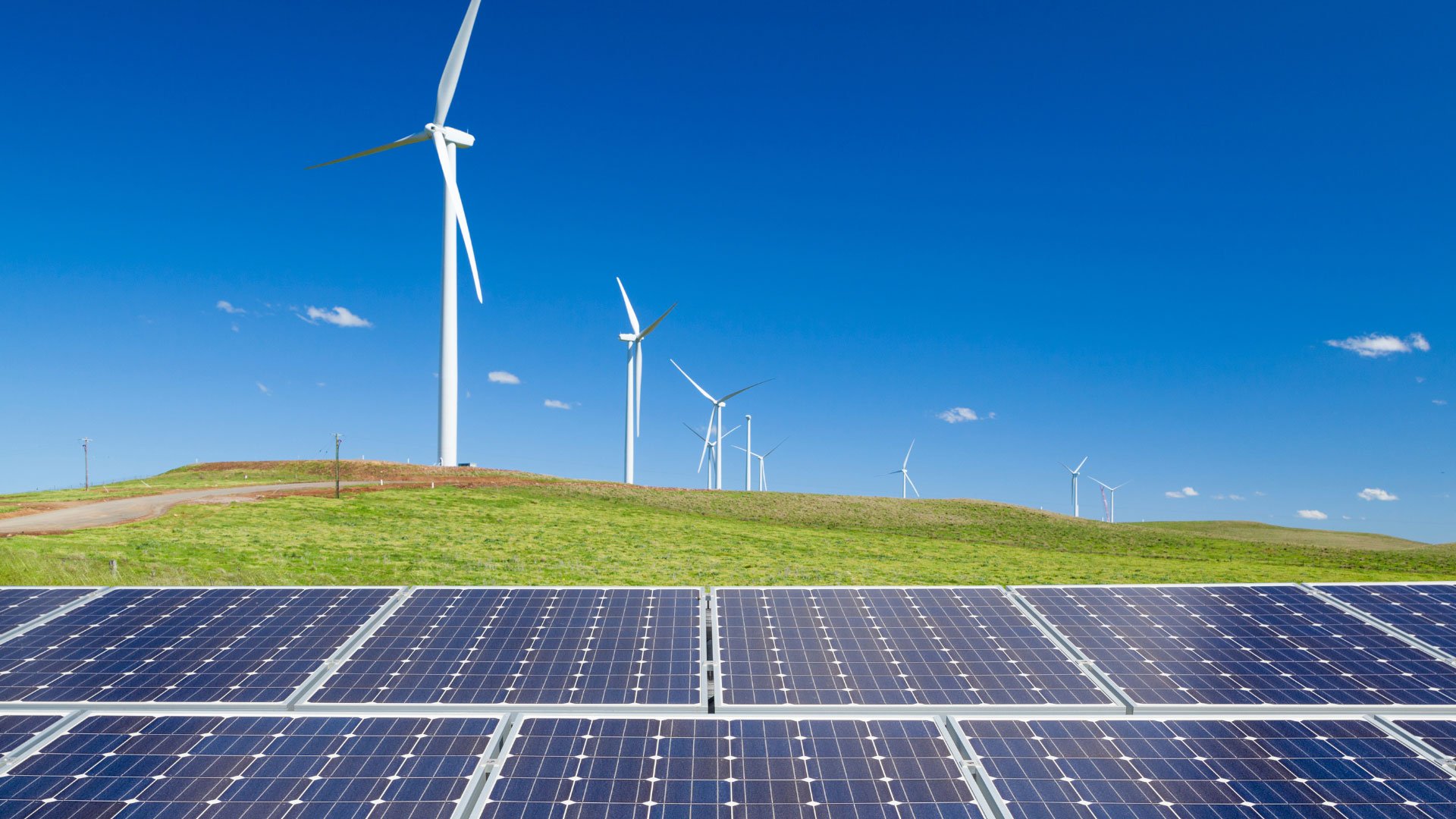
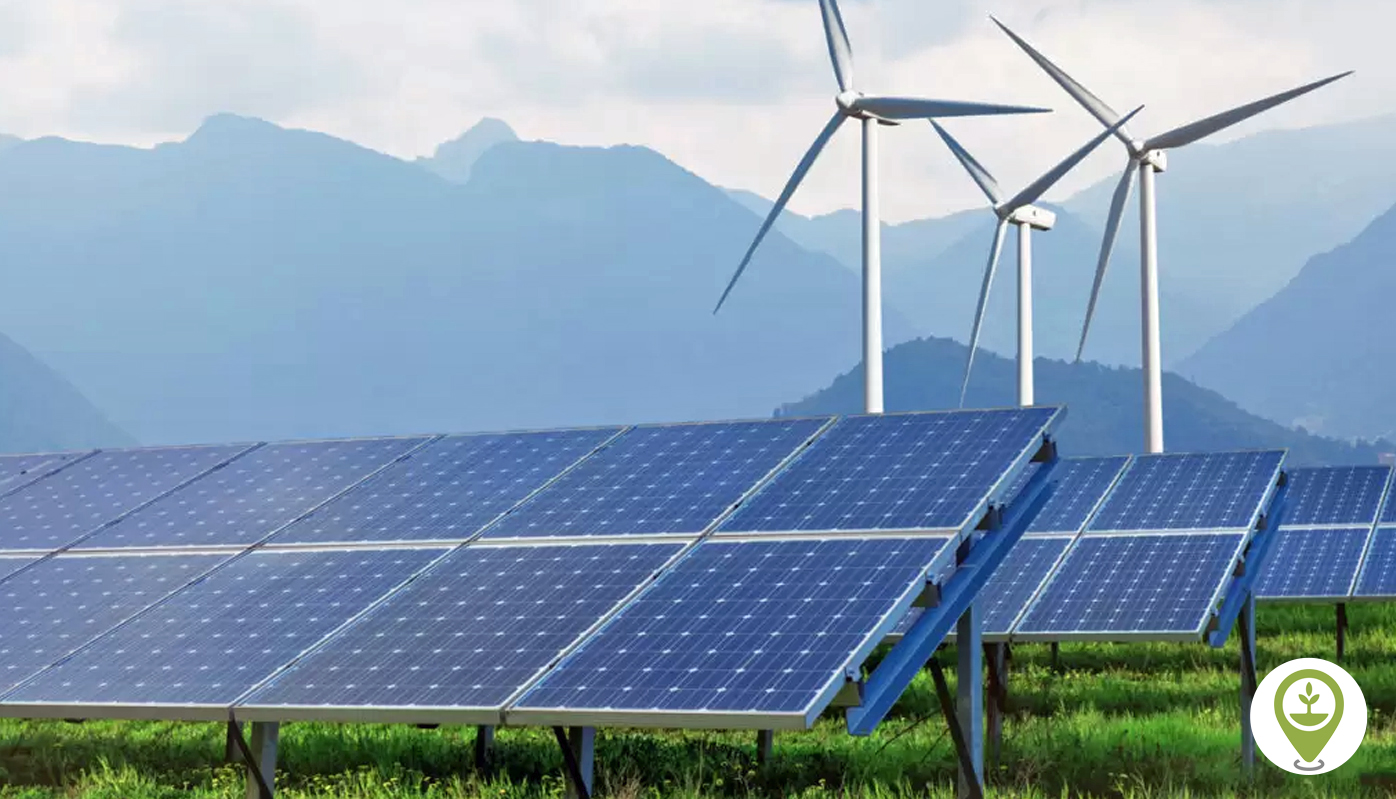
Solar panels, for example, convert sunlight directly into electricity. They’re like tiny, energy-collecting ninjas, silently soaking up the sun's rays. And while the efficiency of solar panels varies (usually around 15-22%), the sunlight itself is, essentially, free! It's like finding a twenty-dollar bill on the sidewalk every single day!
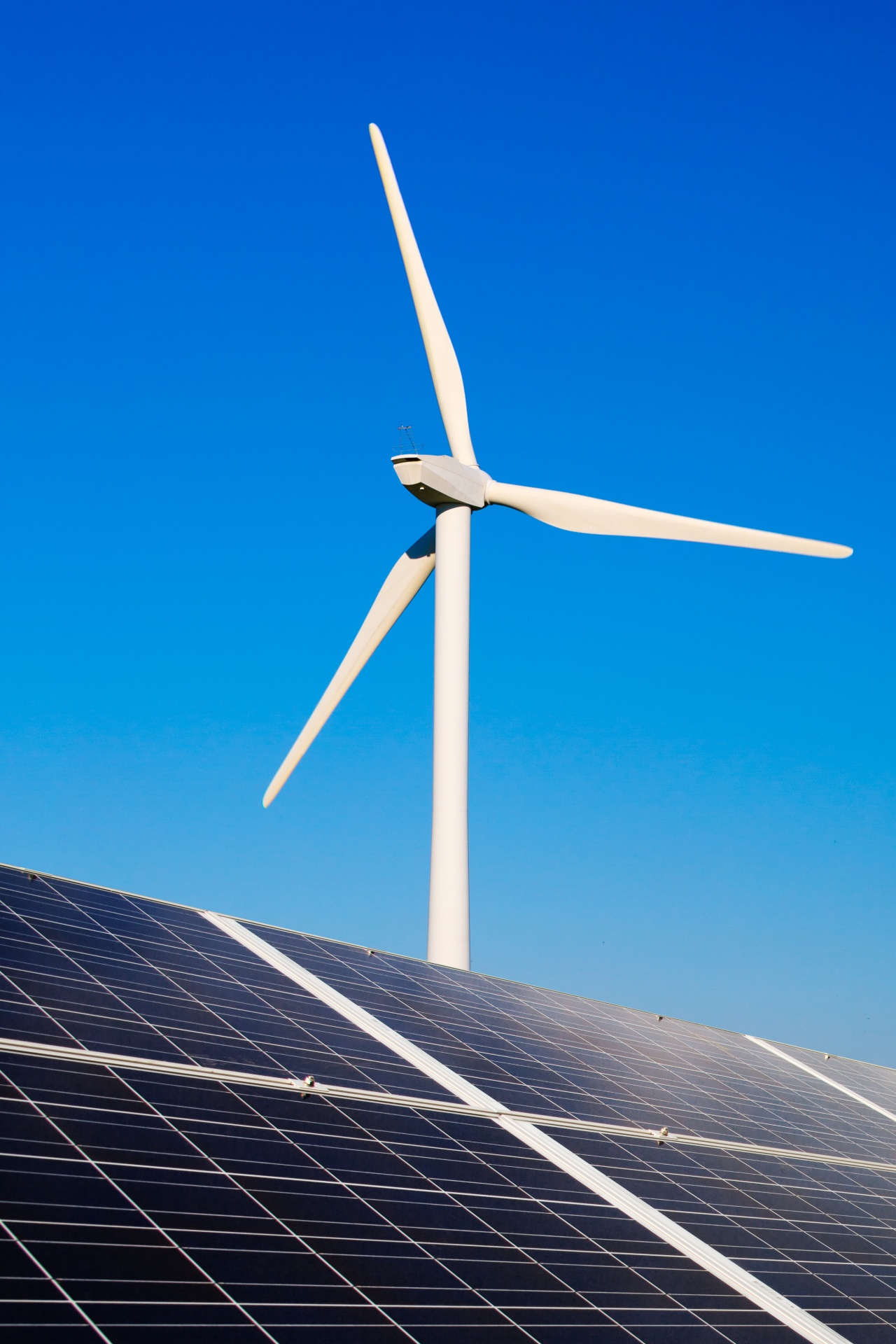
Wind turbines are like giant, elegant fans, spinning in the breeze and generating power. They're not 100% efficient either (typically around 30-45%), but again, the wind itself is free! Plus, they look pretty cool, like modern art installations that just happen to be powering your dishwasher.
Hydropower, using the power of flowing water, is another option. The efficiency of hydropower plants can be quite high, often reaching 80-90%! That’s like getting a full refund on your energy bill every month! Okay, not quite, but you get the idea.
However, renewables are not without their challenges. Intermittency is a big one. The sun doesn't shine all the time, the wind doesn't always blow, and rivers sometimes dry up. This means we need energy storage solutions – batteries, pumped hydro storage – to keep the lights on when Mother Nature takes a coffee break.
The Verdict: Who Wins?
So, who's the winner in this efficiency showdown? Well, it's complicated. Fossil fuels can deliver a lot of energy quickly and reliably (when the supply chain isn't disrupted, that is). But they come with a hefty environmental price tag and, frankly, aren’t as efficient as we like to think they are.
Renewables, on the other hand, are cleaner, more sustainable, and becoming increasingly efficient. While the initial investment can be higher (setting up solar farms or wind turbines), the long-term operating costs are generally lower since you're not constantly buying fuel. And the environmental benefits are huge!
Ultimately, the future of energy is likely a mix of both, with renewables playing an increasingly dominant role. We need to find ways to make renewables more reliable and affordable, and to reduce the environmental impact of fossil fuels. It's a tough challenge, but not as tough as trying to explain quantum physics to a goldfish (trust me, I've tried). So, let's embrace the future, invest in innovation, and hope that our toasters will be powered by sunshine and breezes for generations to come!