
Is Potential Difference And Voltage The Same

Hey there, future electrical whizzes! Ever been zapped by a concept that sounds super intimidating, like…potential difference? Or maybe you've heard about voltage and wondered if it's the same beast? Well, fear not! We're about to untangle this mystery together, and I promise, it'll be easier than assembling IKEA furniture (and way more rewarding!).
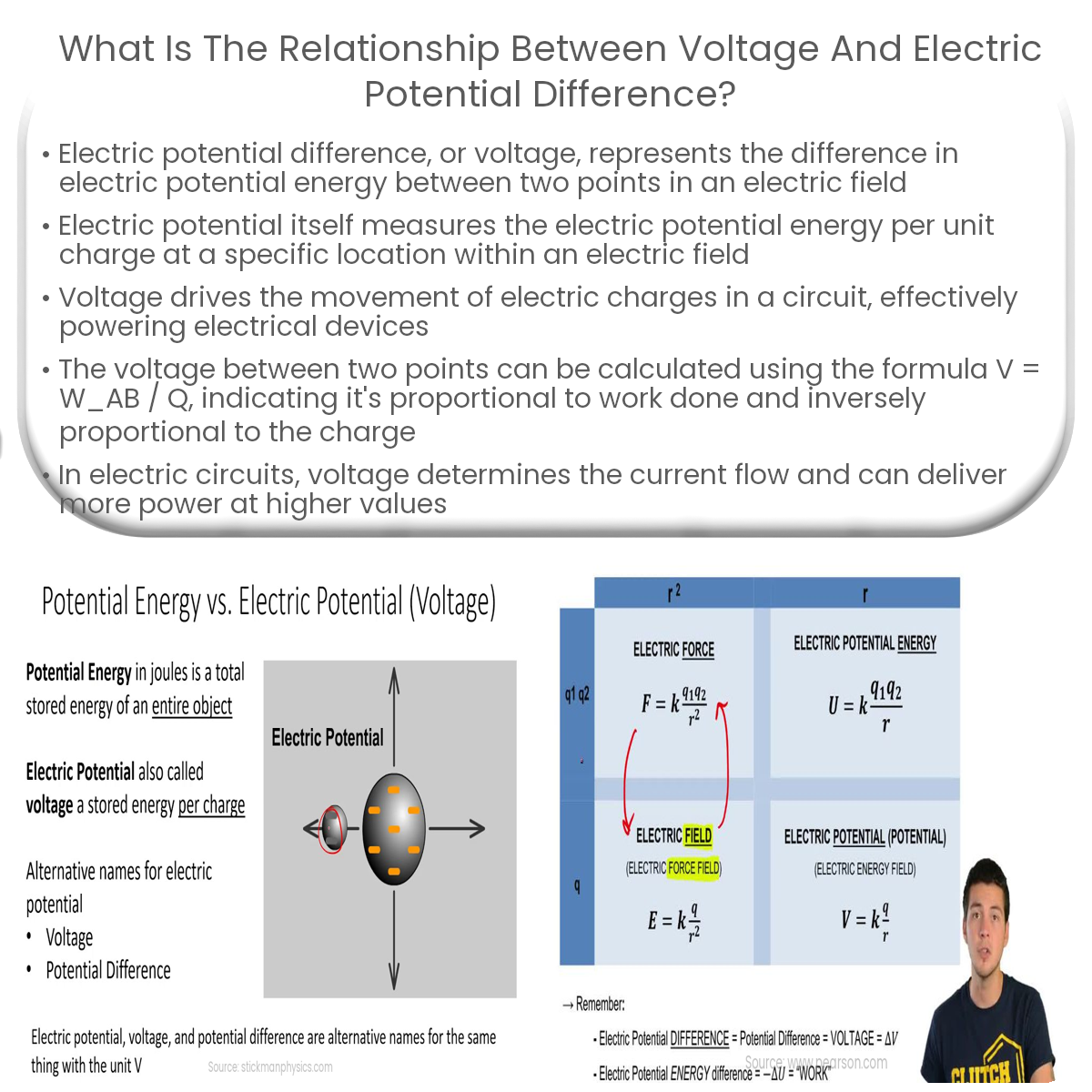
So, let's dive right in. Are potential difference and voltage the same thing? Short answer: pretty much, yes! Think of them as two names for the same awesome concept. It's like calling your best friend by their full name or a cute nickname. They're still the same amazing person, right?
Unpacking the "Potential"
Okay, let's break down what "potential difference" actually means. Imagine you're at the top of a water slide. You've got all this potential energy, right? You're just waiting to zoom down! The difference in height between the top and the bottom of the slide is like the potential difference.
Must Read
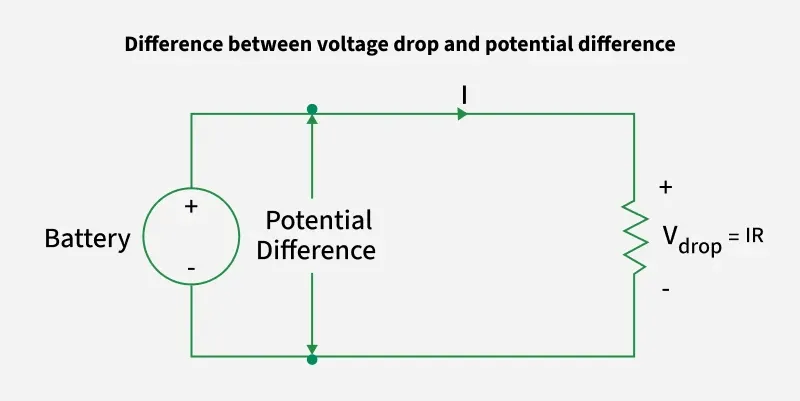
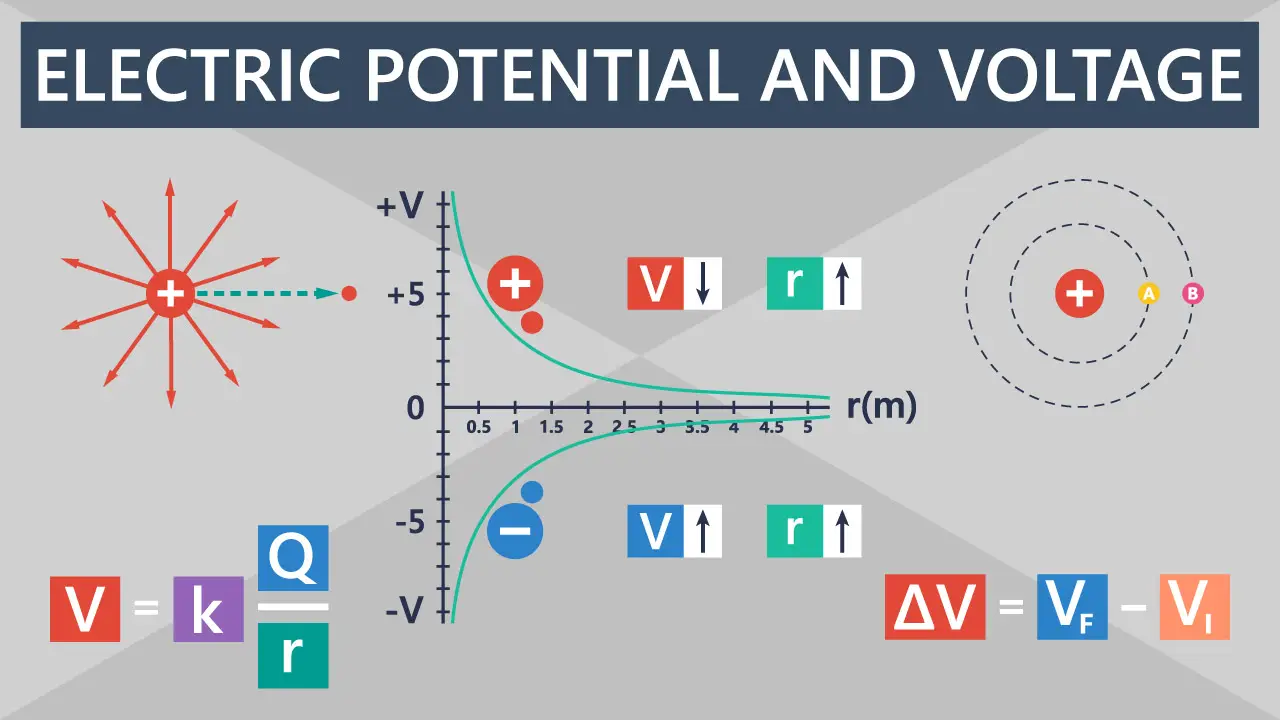
In the world of electricity, "potential" refers to the amount of electric potential energy a charge has at a particular point. And the potential difference is the difference in electric potential energy between two points. See? Not so scary!
Think of it like this: electrons (the tiny particles that carry electricity) want to move from a place where they have a lot of potential energy to a place where they have less. This "push" is what drives the flow of electricity.

Voltage: The Friendly Face of Potential Difference
Now, let's talk about voltage. Voltage is simply the measurement of this potential difference. It tells us how much "push" there is behind the flow of electrons. It's measured in, you guessed it, volts (V)!
So, when you see a battery labeled "1.5V," that means there's a potential difference of 1.5 volts between its positive and negative terminals. That potential difference is what makes your flashlight shine or your remote control work.
Why do we have two terms for basically the same thing? Well, "potential difference" is more of a technical term, used in physics and electrical engineering to describe the concept precisely. "Voltage," on the other hand, is the more common and user-friendly term we use in everyday life.
Think of it like this: a doctor might use the term "hypertension," but you and I would just say "high blood pressure." Same condition, different ways of talking about it.
Why Should You Care? (Spoiler: It's Fun!)
Okay, so you might be thinking, "Great, I now know potential difference and voltage are basically the same. But why should I even care?"
Well, understanding voltage is essential for understanding how electricity works. And once you understand how electricity works, you can do some really cool things! You can build your own circuits, understand how your electronics work, and even troubleshoot electrical problems in your home (with proper safety precautions, of course!).
Imagine being able to fix your own lamp, build a cool LED light display, or even design your own electronic gadget. That's the power of understanding voltage!
Plus, knowing about voltage can actually make you safer. You'll be more aware of electrical hazards and how to avoid them. Safety first!
Let's Light Up Your Future!
So, there you have it! Potential difference and voltage: two names for the same fundamental concept. It's the "push" that makes electricity flow, and understanding it can unlock a whole world of exciting possibilities.
Don't be intimidated by electrical concepts. Embrace the challenge and dive in! There are tons of resources available online, in libraries, and even in your local community. Explore, experiment, and never stop learning.
The world of electricity is full of wonder and potential (pun intended!). Go out there and make something amazing! Your journey to electrical enlightenment starts now!