
Is Polyurethane A Thermoplastic Or Thermoset
Okay, let's talk about polyurethane. You've probably heard the name floating around, maybe associated with furniture foam, skateboard wheels, or even that cool coating on your kitchen table. But what exactly is it? And more importantly, is it a thermoplastic or a thermoset? That's the million-dollar question, isn't it?
Well, buckle up, because the answer is… it depends! I know, I know, that's not the clean-cut answer you were hoping for. But that's what makes polyurethane so darn interesting. It's a bit of a chameleon in the materials world.
Polyurethane: A Family Affair
Think of "polyurethane" like a big family name. It's not one single substance, but rather a group of polymers with similar chemical structures. And just like families, different members have different personalities, right? Some are super chill, others are incredibly rigid. This is thanks to the magic of how we put the chemical building blocks together!
Must Read
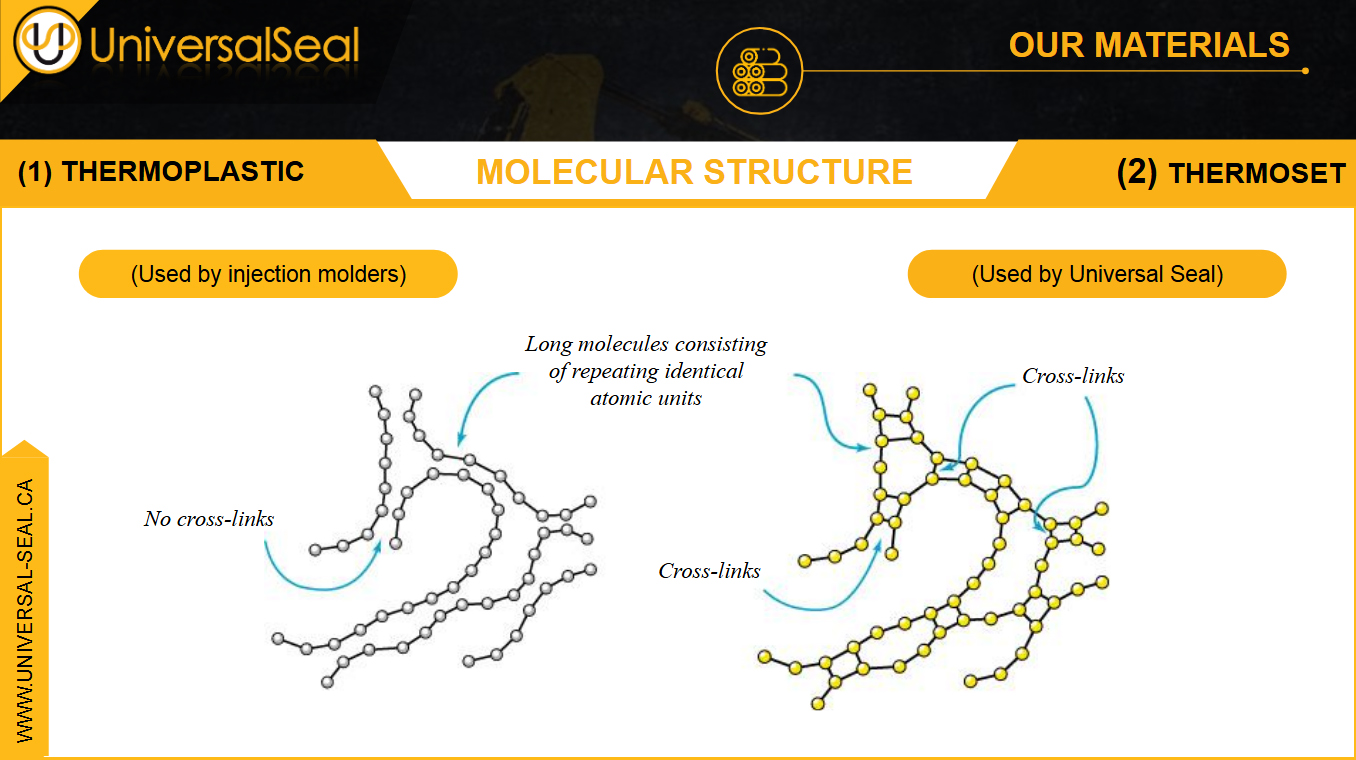
To understand why it can be both, we need to quickly dip our toes into the world of polymers. Imagine LEGO bricks. Polymers are like long chains of LEGO bricks (called monomers) linked together. The way those bricks are linked—straight lines, branches, or crisscrossed—determines the material's properties.
Thermoplastics: The "Remoldable" Type
Let's start with thermoplastics. Imagine melting an ice cube and then refreezing it. That’s essentially what happens with a thermoplastic. When you heat it up, it becomes soft and pliable. You can mold it, shape it, and when it cools down, it solidifies again, holding its new shape. You could, theoretically, melt it down and reshape it again and again. Think of plastic water bottles – they are typically thermoplastics.
In the LEGO analogy, think of the bricks connected by simple clips. You can easily pull them apart with some force (heat) and reconnect them in a new configuration.
So, can polyurethane be a thermoplastic? Absolutely! Thermoplastic polyurethanes (TPUs) are known for their excellent abrasion resistance, flexibility, and elasticity. They're used in things like phone cases, shoe soles, and automotive parts where you need something that can take a beating and still bounce back.
Thermosets: The "One and Done" Type
Now, let's talk about thermosets. These are the "one and done" types of polymers. Once they're formed, they're locked in. Heat them up and instead of melting, they'll degrade or even burn. Think of baking a cake. Once it's baked, you can't unbake it, right? You can’t melt a cooked cake back into batter.
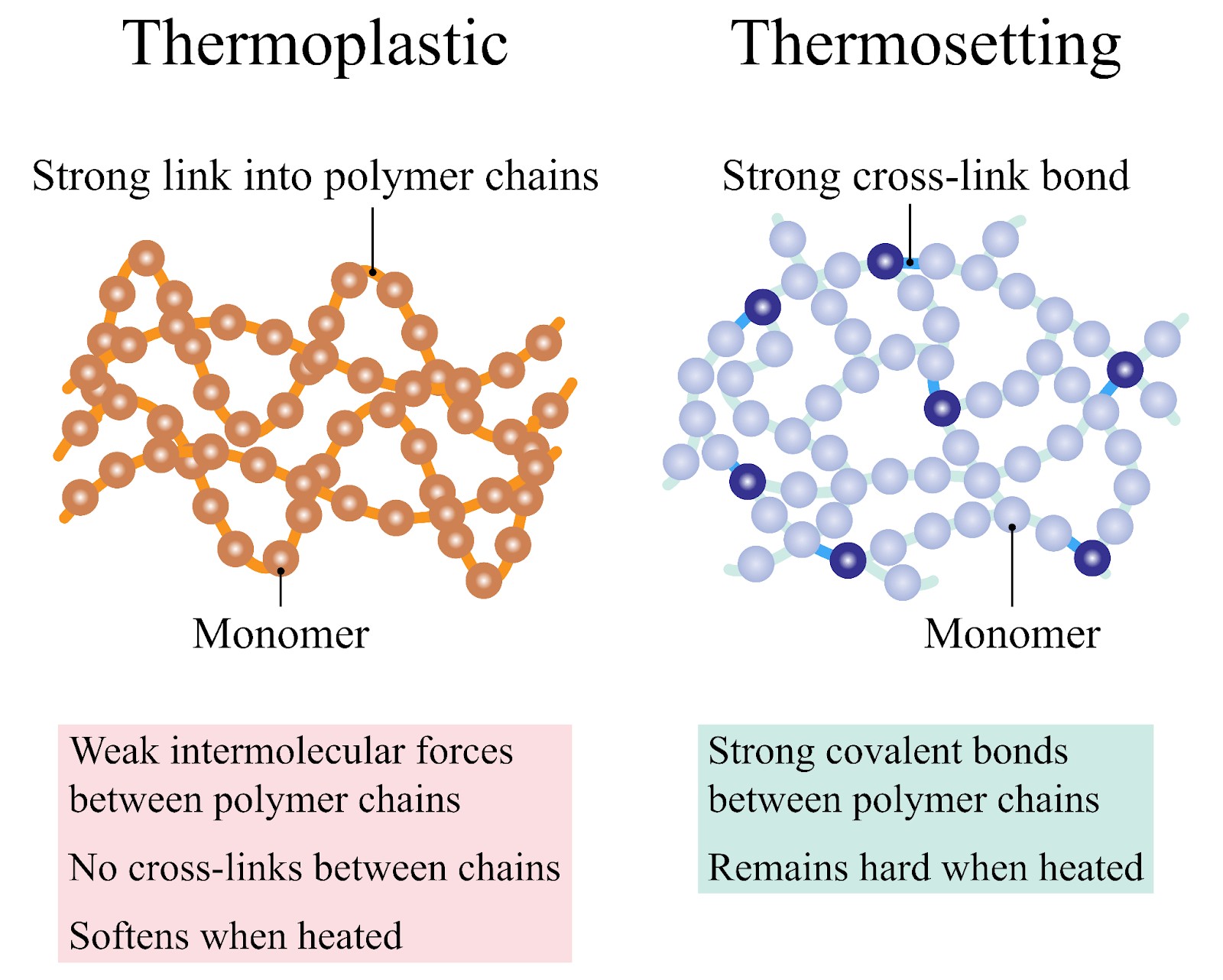
Back to our LEGO analogy, imagine the bricks are now glued together. You can’t pull them apart without breaking them. That’s a thermoset!
So, how does polyurethane become a thermoset? It's all about the chemical bonds. In thermosetting polyurethanes, the polymer chains are cross-linked, creating a strong, three-dimensional network. This network makes them incredibly strong, rigid, and resistant to heat and chemicals. This kind of polyurethane is used in things like rigid foams (think insulation), adhesives, and coatings.

Why Does It Matter?
Why should you care whether polyurethane is a thermoplastic or a thermoset? Well, understanding these differences is crucial for choosing the right material for a specific application. Need something flexible and recyclable? Go for a thermoplastic polyurethane. Need something strong, heat-resistant, and dimensionally stable? Thermosetting polyurethane is your best bet.
The versatility of polyurethane is what makes it such a cool and widely used material. From the soft foam in your couch to the tough coating on your car, polyurethane is playing a role in our everyday lives. It's a testament to the ingenuity of chemists and engineers who can manipulate molecules to create materials with such diverse properties.
So, next time you encounter polyurethane, remember it's not just one thing. It's a whole family of materials, each with its own unique characteristics and applications. And that's pretty neat, don't you think?
