
Is Petroleum Renewable Or Nonrenewable Resource

Is Petroleum a Renewable Resource? Let's Dig In!
Ever wondered where gasoline comes from? Or that plastic phone case you’re holding? The answer often involves a substance called petroleum. But is it something we can rely on forever? Let's find out!
Here's the million-dollar question: Is petroleum a renewable or nonrenewable resource? Buckle up, because we're diving into the fascinating world of Earth's treasures.
What Makes a Resource Renewable (or Not)?
Think of renewable resources like sunshine or wind. They're constantly being replenished, right? The sun shines every day, and the wind keeps blowing (mostly!).
Must Read
Nonrenewable resources are a different story. They're like buried treasure. Once we use them up, they're gone... or at least, it'll take a seriously long time for more to form.
Petroleum: A Time Capsule from the Past
Petroleum, also known as crude oil, is formed from the remains of ancient marine organisms. We're talking about tiny plants and animals that lived millions of years ago! Imagine that!
These organisms died, sank to the bottom of the ocean, and got buried under layers of sediment. Over millions of years, intense heat and pressure transformed them into what we now know as petroleum.
So, is it renewable? Think about it. It takes millions of years to create. We're using it up way faster than it can naturally replenish. That pretty much seals the deal.
The Verdict: Nonrenewable, but Fascinating!
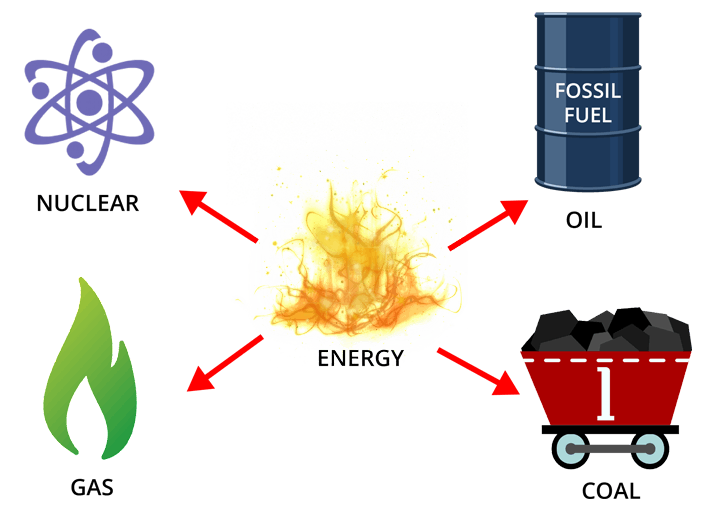
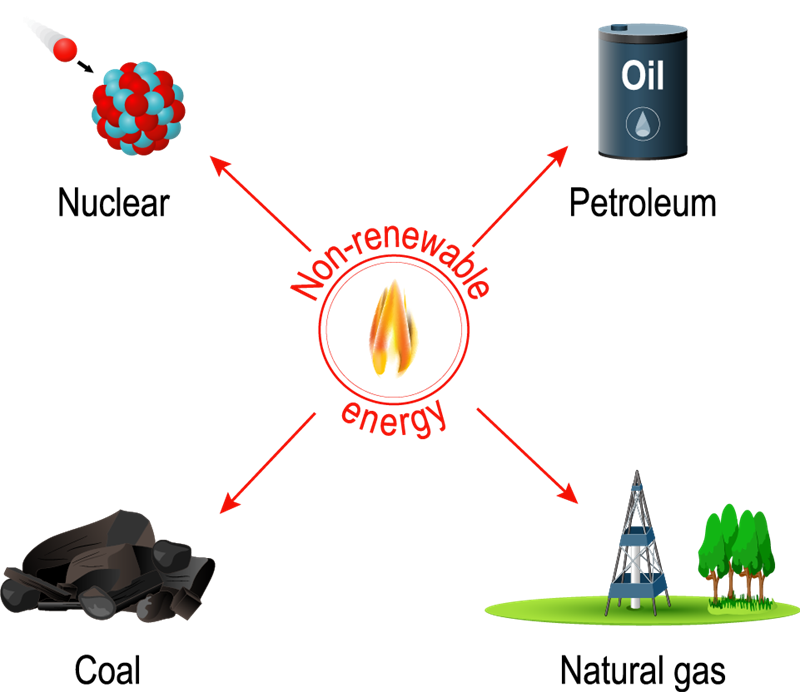
Yep, petroleum is classified as a nonrenewable resource. It’s a finite supply. This means that one day, we could run out, unless we discover some new magical way to create it instantly!
But wait! Don’t despair! Knowing this is actually pretty cool. We’re using energy that was stored millions of years ago. It's like tapping into a prehistoric power source!
Why All the Fuss About Petroleum?
Petroleum is incredibly versatile. We use it to make gasoline for our cars, jet fuel for airplanes, and heating oil for our homes.

But that's not all! It's also a key ingredient in plastics, medicines, and countless other products we use every day. Basically, it's everywhere!
Think about your clothes, your computer, even your toothbrush. Chances are, petroleum played a role in making them.
The Downside of Our Petroleum Addiction
Because petroleum is nonrenewable, we need to think about sustainability. We can't keep using it up at the current rate without consequences. It will eventually run out.
Burning petroleum also releases greenhouse gases into the atmosphere, contributing to climate change. It’s a serious issue that needs our attention.
That's why there's so much buzz about renewable energy sources like solar, wind, and geothermal power. They are the future!
Alternatives: The Quest for Sustainable Energy
Scientists and engineers are working hard to develop alternative energy sources. They're exploring everything from biofuels to hydrogen fuel cells.
Imagine a world powered by the sun and the wind! It sounds like something out of a science fiction movie, but it's becoming more and more of a reality.
Even electric cars are becoming more popular. They offer a cleaner, more sustainable way to get around. The future is looking bright!
Conserving Petroleum: Small Changes, Big Impact
We can all do our part to conserve petroleum. Even small changes in our daily lives can make a big difference.
Try carpooling, using public transportation, or riding your bike. Turn off lights when you leave a room. Reduce, reuse, and recycle!
Every little bit helps. Remember, we all share this planet. We can work together to protect its resources.
The Future of Energy: A Collaborative Effort
The transition to a more sustainable energy future will require a collaborative effort. We need governments, businesses, and individuals to work together.
Investing in renewable energy technologies, promoting energy efficiency, and educating the public are all crucial steps. We are all needed to make a change.
The future of energy is in our hands. Let's make it a bright one!
Why Does It Matter?
Understanding whether petroleum is renewable or nonrenewable is vital. It helps us make informed decisions about energy consumption and environmental responsibility.
It also highlights the importance of exploring and developing alternative energy sources. We need to secure a sustainable future for generations to come.

It's not just about saving the planet; it's about creating a better world for ourselves and for future generations.
Digging Deeper: Fun Facts About Petroleum
Did you know that petroleum can be found in some pretty unexpected places? From the depths of the ocean to the frozen Arctic tundra, it's hidden beneath the Earth's surface.
The largest oil spill in history occurred during the Gulf War in 1991. It released an estimated 240 million gallons of oil into the Persian Gulf.
The world's largest oil reserve is located in Venezuela. It contains an estimated 304 billion barrels of oil. That's a whole lot of oil!
The Big Picture: Thinking Globally, Acting Locally
The issue of petroleum consumption and renewable energy is a global one. It affects everyone on the planet.
By making conscious choices in our daily lives, we can contribute to a more sustainable future. Even small actions can have a ripple effect.
So, the next time you fill up your car or turn on the lights, remember the journey of that energy. Think about where it comes from and how you can use it more wisely.
Embrace the Challenge: Be Part of the Solution
The transition to a sustainable energy future is a challenge, but it's also an opportunity. It's a chance to create a better world for ourselves and future generations.
Let's embrace the challenge and work together to find innovative solutions. Let's become more conscious about our carbon footprint.
Remember, every action counts. Let's make a difference, one small step at a time.
From Ancient Seas to Modern Life: A Petroleum Journey
From the ancient marine organisms that died millions of years ago to the gasoline that powers our cars, petroleum has a long and fascinating history. Now you know the long journey!
Understanding its origins and its impact on our planet is crucial for making informed decisions about energy consumption.
Let's use this knowledge to create a more sustainable future. Let's explore alternative energy sources and conserve this nonrenewable resource.
So, What's Next?
Now that you know the deal with petroleum, what will you do with this knowledge? Will you start biking to work? Invest in a reusable water bottle? Tell your friends?
The power to make a difference is in your hands. Every little action matters!
Let's create a brighter, greener future, together. The next steps are up to us. Let’s make them count!