Is Oil Used To Make Gasoline

Ever pull up to the gas pump, see the price per gallon, and wonder, "What exactly am I putting into my car, and where does it really come from?" It's a question many of us ponder but rarely dig into. Understanding the journey of our fuel, from deep underground to our gas tanks, is surprisingly fascinating and can give you a whole new perspective on something we use almost daily!
This topic isn't just for car buffs; it's genuinely useful and popular because it touches on everything from our daily commutes to global economics and even environmental discussions. For beginners, it's a fantastic introduction to how raw materials are transformed into essential products, demystifying a core part of our energy supply. Families can turn it into a fun, educational conversation at dinner, helping kids understand where things come from and fostering an early interest in science and industry. And for the curious minds among us, or "armchair scientists," it provides a satisfying insight into the complex processes that fuel our modern world, connecting the dots between a dark, sticky liquid and the clear, powerful fuel that powers our engines.
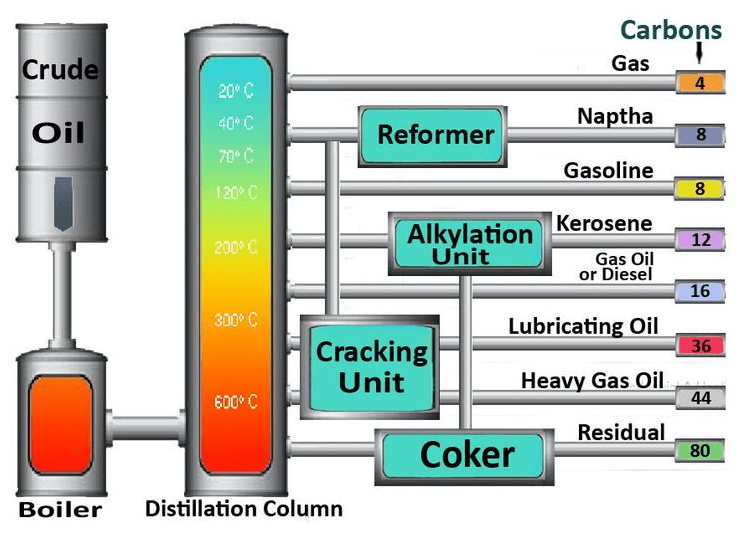
So, to answer the burning question: yes, oil is absolutely used to make gasoline! But it's not quite as simple as just scooping it out of the ground and into your tank. The "oil" we're talking about is
Must Read
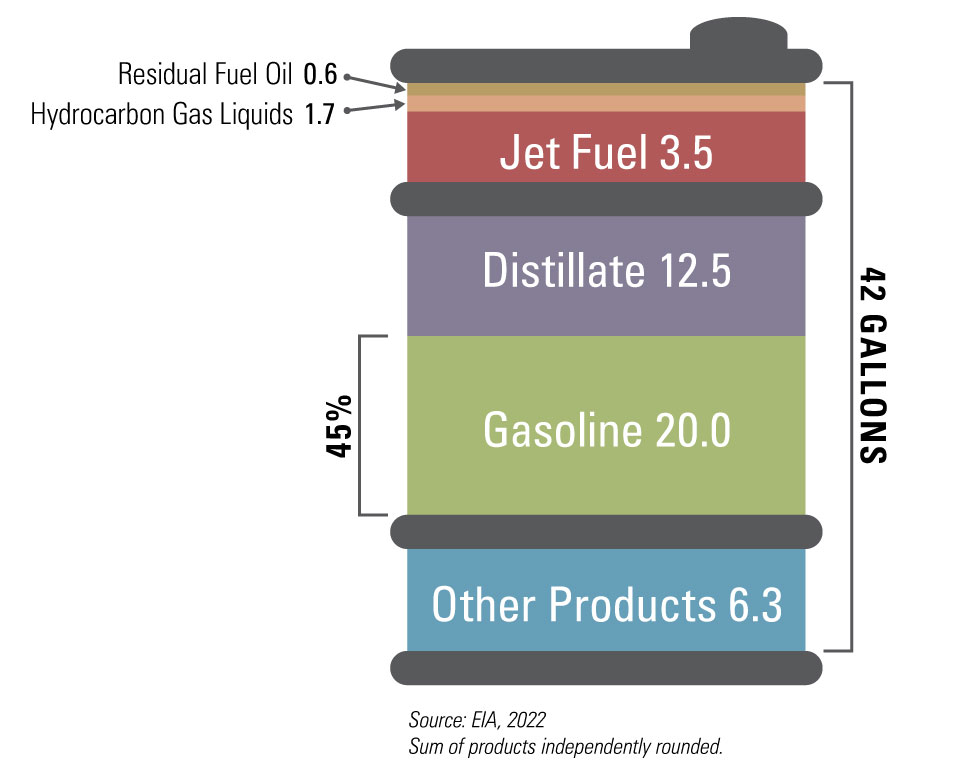
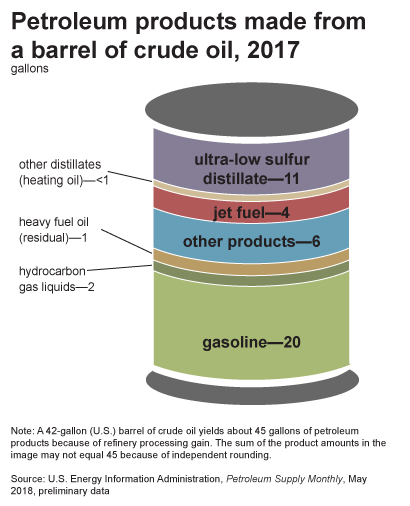
Gasoline is just one of many valuable products that come from this process. Think of crude oil as a versatile raw material. Besides gasoline, it also gives us diesel fuel for trucks and buses, jet fuel for airplanes, asphalt for roads, heating oil for homes, and even lubricants for engines. Beyond fuels, crude oil is the fundamental building block for countless petrochemicals used to make plastics, fertilizers, pharmaceuticals, and synthetic fibers. This means that when we talk about "oil," we're talking about a resource that underpins a vast array of industries, not just transportation. Furthermore, the gasoline you buy at the pump often isn't 100% refined crude oil; it's typically blended with other substances like
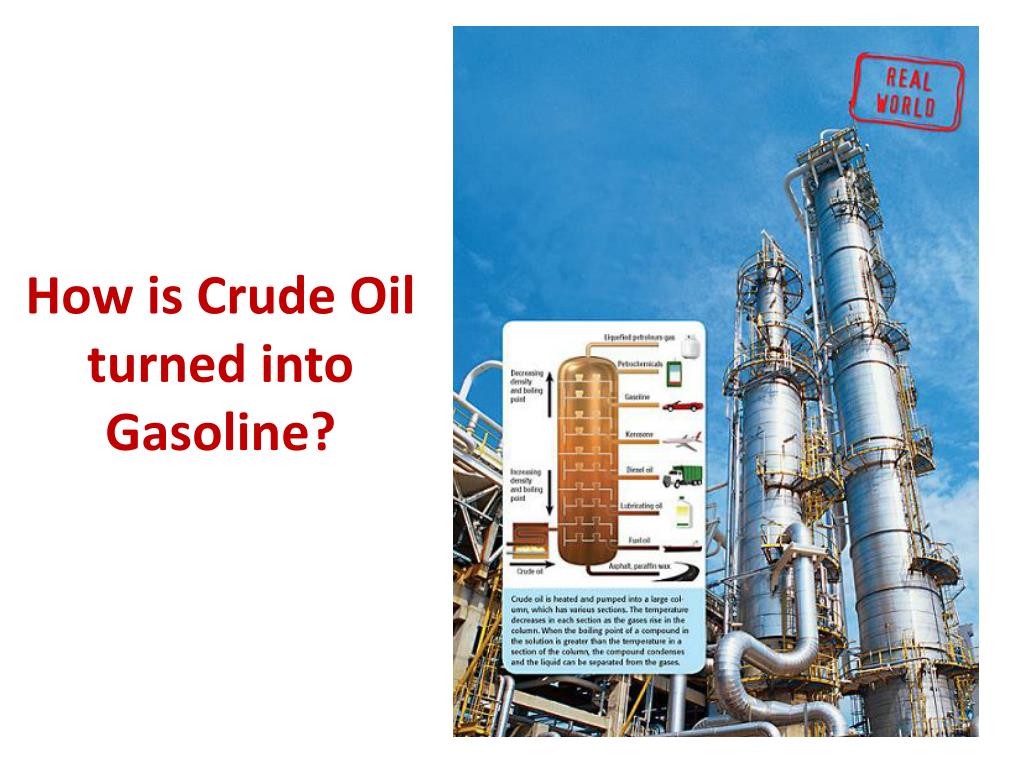
Ready to dig a little deeper into your everyday energy? Here are some simple, practical tips to get started. First, the next time you're at the gas station, take a moment to read the labels on the pump. You'll often see information about the octane level and the percentage of ethanol blended in. Second, try a quick online search for "products made from crude oil" – you'll be amazed at how many everyday items owe their existence to this single resource. Finally, consider exploring resources about
Understanding where our gasoline comes from isn't just about knowing a fact; it's about appreciating the complex industrial processes that sustain our modern lives. It adds a layer of depth to every drive, making you a more informed consumer and a more knowledgeable observer of the world around you. So, next time you fill up, give a little nod to the incredible journey that crude oil takes to power your ride – it truly is quite remarkable!