
Is Oil A Non Renewable Resources

Ever paused to think about the incredible journey of the fuel that powers our world? From the ancient organisms settling on ocean floors to the complex machinery that brings it to our cars, homes, and even many of the everyday products we cherish, oil has been an undeniable engine of modern progress and creativity. It’s enabled global travel, sparked industrial revolutions, and yes, even contributes to the plastics in our favorite gadgets and art supplies. It holds an almost mythical status for its transformative power, having reshaped societies and fueled countless innovations.
But here’s the big question that often sparks conversation around dinner tables and in documentaries: Is oil a non-renewable resource? The short, clear answer is yes, absolutely. Oil, or crude petroleum, is a fossil fuel formed from the remains of ancient marine organisms and plants. This geological process takes millions of years, under immense pressure and heat, deep within the Earth’s crust. We are consuming this resource at a pace that vastly outstrips its natural formation rate, making it a finite commodity with a limited supply.
Now, before that sounds like a somber note, understanding this fundamental truth offers a unique and powerful kind of benefit for everyone – from curious casual learners to the most imaginative artists and hobbyists. It’s an invitation to spark our collective ingenuity! Knowing that we have finite resources doesn't limit us; it inspires us to innovate, to appreciate what we have, and to dream up brilliant alternatives. It’s a catalyst for environmental awareness and sustainable living, encouraging us to look at the world through a lens of resourcefulness and creativity. This knowledge, rather than being a constraint, becomes a springboard for new ideas and sustainable practices.
Must Read
Think of the amazing examples emerging from this understanding! We see artists crafting breathtaking sculptures from recycled materials, transforming what was once waste into beauty. Designers are pioneering sustainable fashion and eco-friendly products made from innovative, renewable sources. Architects are creating energy-efficient buildings that harness the sun and wind, redefining urban landscapes. Even digital artists are exploring themes of renewable energy and ecological harmony, creating vibrant, inspiring visions of a sustainable future. The subject isn't just about oil; it's about our relationship with the planet and how we envision a brighter, resource-conscious tomorrow.
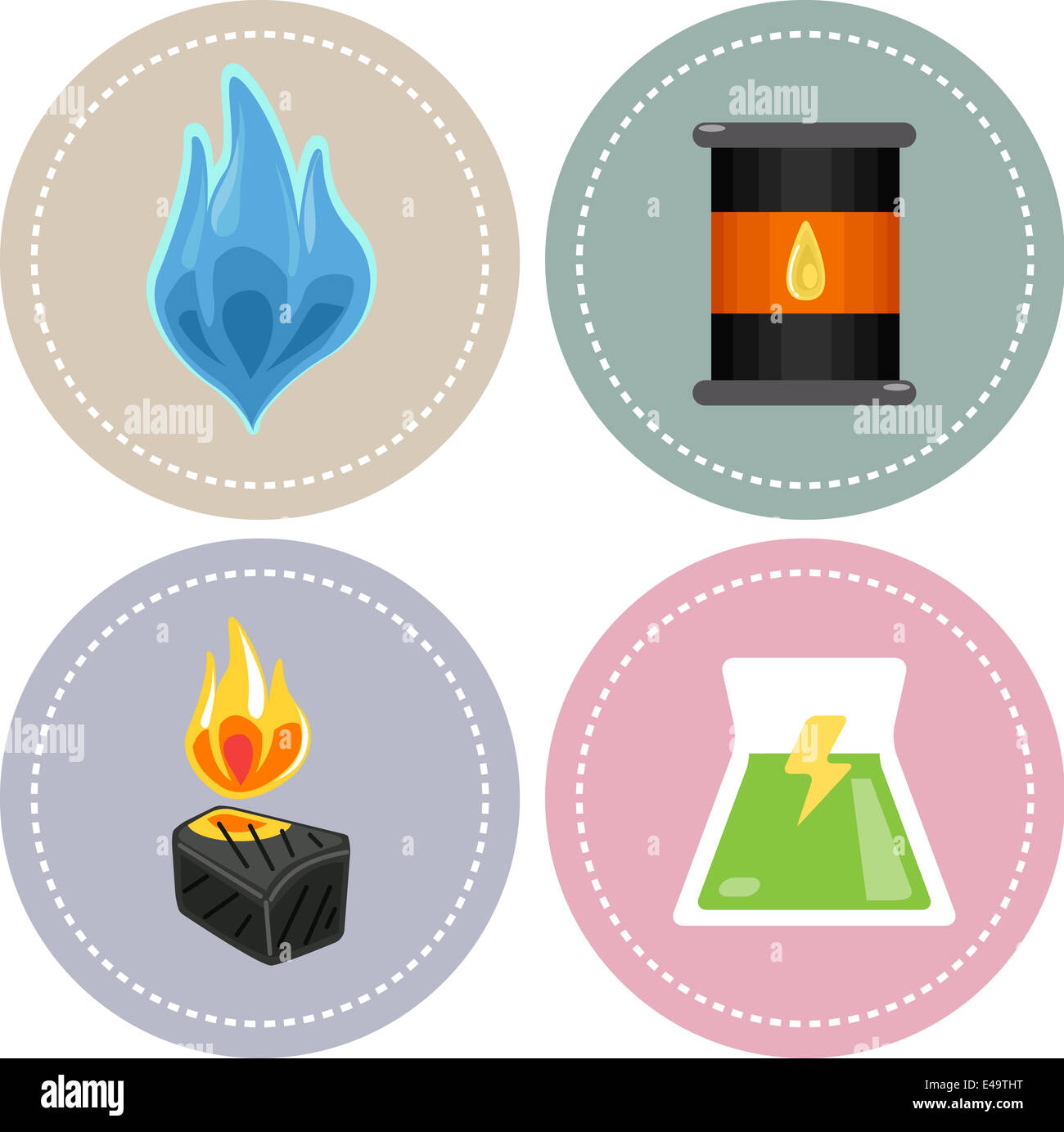
Want to try exploring this theme at home? It’s wonderfully simple! Start by observing your own energy consumption: perhaps try a "no-idle" challenge for your car, or simply unplug electronics when not in use. Explore local initiatives for recycling or upcycling; maybe even try your hand at creating something new from old materials you have lying around. Learn about solar panels or wind energy – there’s a wealth of fascinating information online just waiting to be discovered! These aren't just practical steps; they're creative acts of conscious living that contribute to a larger, positive shift.
Ultimately, engaging with the question of oil's renewability isn't about fear or limitation. It's about an incredibly enjoyable journey of discovery and empowerment. It’s fun to learn, to innovate, and to be part of a global movement towards a more sustainable and imaginative future. Embracing this truth encourages us to unleash our creativity, not just in traditional art forms, but in how we live, build, and interact with our world. It’s a deeply satisfying and inspiring endeavor that celebrates human ingenuity!


