
Is Nylon The Same As Plastic
Ever gazed at a toothbrush and then at a water bottle, scratching your head and wondering, "Are these two even related?" What about that super-stretchy stocking or that incredibly tough backpack? They're all so different!
The big question on our minds today is a truly mind-bending one: Is Nylon the same as Plastic?
Get ready for a fun ride, because we’re about to unravel this mystery with a sprinkle of everyday magic and zero boring science textbooks!
Must Read
The Big Picture: What is Plastic Anyway?
Let's start with Plastic. Oh, Plastic! It's like the biggest, most diverse family reunion you could ever imagine, full of relatives with wildly different personalities.
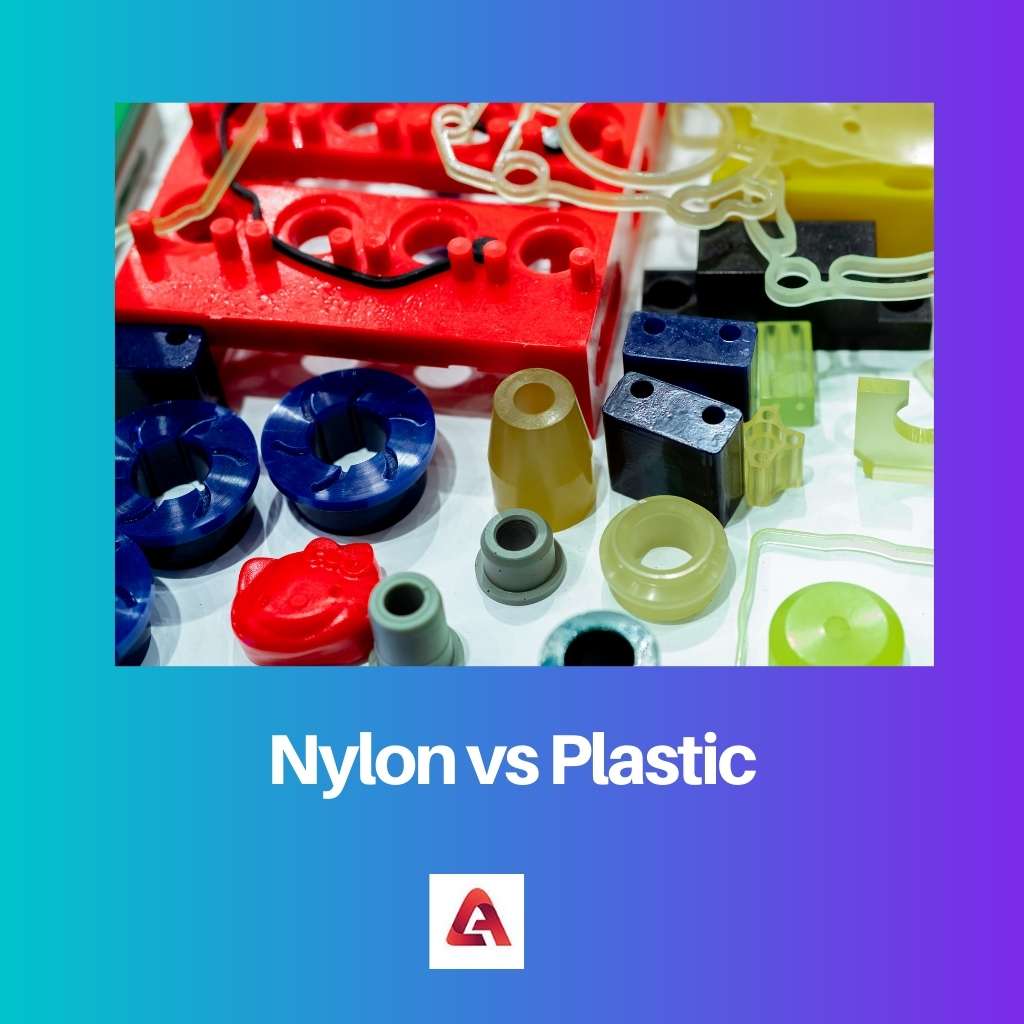
You find plastic everywhere, from the clear, crinkly wrap around your sandwich to the brightly colored LEGO bricks that have probably, at some point, attacked your bare feet.
It's the sturdy casing of your phone, the squishy sole of your sneakers, and even some parts deep inside your car engine. Plastic is the ultimate chameleon, taking on countless forms and serving a million purposes.
Think about it: water bottles, food containers, credit cards, sandwich bags, even some types of paint! They’re all part of the enormous, sprawling plastic family tree.
This incredible material can be molded, stretched, pressed, and spun into almost anything, which is why it's so unbelievably common in our daily lives.
It's a true marvel of modern chemistry, allowing us to create items that are light, durable, and often quite inexpensive.
So, when we talk about plastic, we're talking about a vast category of synthetic or semi-synthetic organic compounds.
Just remember it's a huge umbrella term covering an astonishing array of materials, each with its own special talents.
Some plastics are hard as a rock, while others are so flexible they can tie themselves in knots. Some are transparent, others are opaque, and they come in every color under the sun.
It’s truly a world of wonders, and plastic is the reigning monarch of material versatility.
Enter Nylon: The Superstar Cousin!
Now, let’s zoom in on a particular shining star within that colossal plastic family: say hello to Nylon!
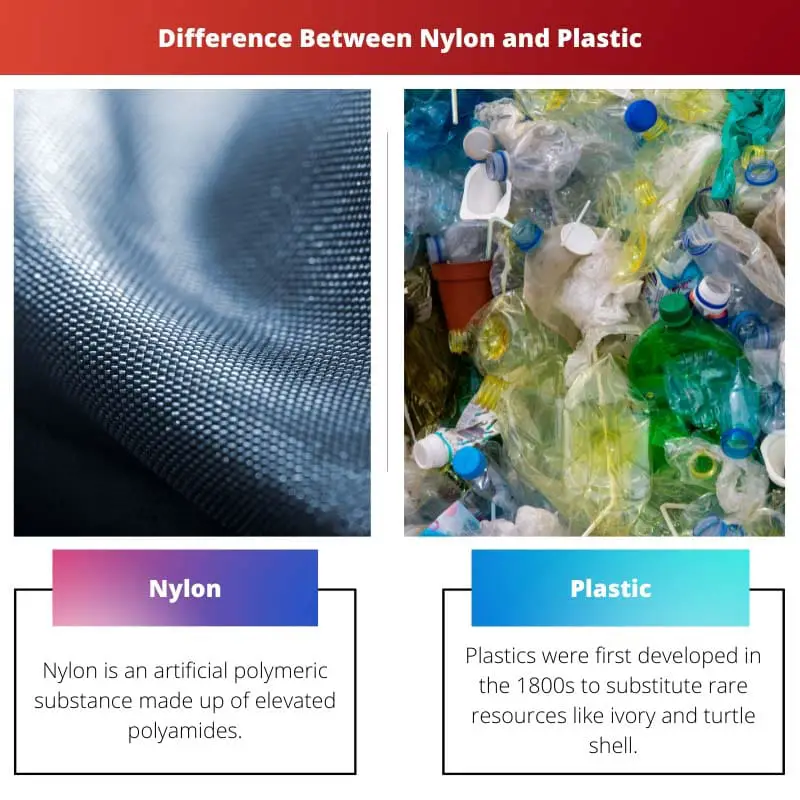
Imagine the plastic family reunion again. If plastic is the whole lively crowd, then Nylon is that undeniably cool, athletic cousin who always looks sleek and is incredibly strong.
Nylon burst onto the scene with a bang, famously revolutionizing women's stockings back in the day. Suddenly, silk was out, and durable, smooth, wrinkle-resistant Nylon was in!
It was a total game-changer, making everyday items far more practical and long-lasting than ever before.
But Nylon didn't stop at stockings. Oh no! This overachiever quickly found its way into parachutes, climbing ropes, fishing lines, and even tough toothbrush bristles.
It’s the secret hero behind many a sturdy backpack, the smooth glide of a zipper, and the reliable strength of outdoor gear.
Think about the sheer resilience required for a safety rope or the delicate strength needed for ultra-thin fabric; Nylon delivers on both counts.
It's known for its incredible strength-to-weight ratio, meaning it’s super tough without being heavy or bulky.
This material is also famously resistant to abrasion, chemicals, and even some oils, making it a fantastic choice for demanding jobs.
From your comfy athletic wear to the tiny gears in some appliances, Nylon is quietly working its magic, making things better and stronger.
It’s a true workhorse material, beloved by engineers and designers for its dependable performance and elegant feel.
So, Nylon is clearly something special, but how does it fit into the broader plastic picture?
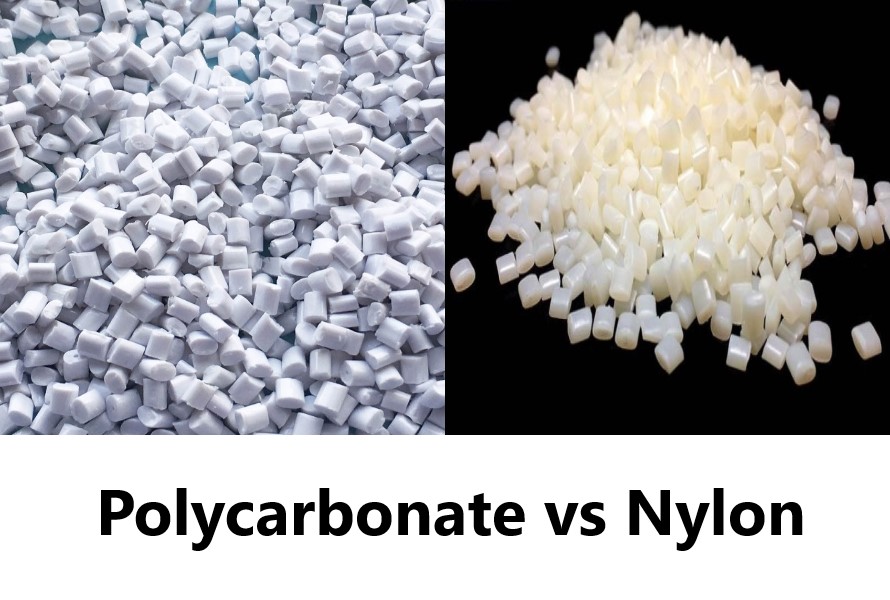
Here’s the big secret: Nylon IS a type of plastic! It’s like saying a sports car is a type of vehicle. All sports cars are vehicles, but not all vehicles are sports cars.
So, Are They Twins or Just Related?
The simplest way to put it is this: all Nylon is plastic, but not all plastic is Nylon. Mind-blowing, right?
It's a classic case of a specific type belonging to a larger category. Think of it like this: an apple is a fruit, but not every fruit is an apple (there are bananas, oranges, pineapples, oh my!).
In the vast kingdom of "materials that can be molded," plastic is the overarching royal family.
Within that family, there are many different branches, and Nylon is one particularly famous and distinguished branch.
So, when you hold a Nylon rope, you are indeed holding a plastic product. But when you hold a plastic water bottle, you're usually holding a different kind of plastic, typically PET.
Both are plastics, but they are cousins, not identical twins. They share a common "plastic" heritage but have distinct personalities and uses.
The key takeaway is that the word "plastic" is a general term for many different synthetic polymers.
Nylon, specifically, is a synthetic polymer that belongs to a group called polyamides. Don’t worry about the fancy names; just know it’s a specific, brilliant recipe within the plastic cookbook.
This means it has a unique molecular structure that gives it those wonderful characteristics we talked about: strength, elasticity, and a smooth, almost silky feel.
So next time someone asks, you can confidently declare that Nylon is a proud member of the plastic club!
What Makes Nylon So Special?
So, if Nylon is just one type of plastic, why does it get its own name and so much fanfare? What makes it stand out from its countless plastic relatives?

It all comes down to its incredible properties, which are like its unique set of superpowers.
Nylon is known for being super tough, incredibly strong, and remarkably elastic. It can stretch quite a bit without breaking, and then snap back into shape!
This elasticity is why it's perfect for things that need to withstand a lot of tugging and pulling, like seat belts or climbing gear.
It also has a fantastic resistance to wear and tear, making it ideal for items that get a lot of use, like the bristles on your toothbrush or the outer fabric of a durable backpack.
Its smooth, low-friction surface is another secret weapon, which is why it’s often used for gears, bearings, and zippers that need to glide effortlessly.
Plus, it's quite resistant to chemicals and moisture, adding to its impressive resume for outdoor and industrial applications.
Imagine a material that can be drawn into incredibly fine threads for delicate fabrics, yet also molded into robust parts for machinery. That's Nylon for you!
It truly showcases the diversity and specialized capabilities that exist within the broader category of plastic materials.
So while it shares the plastic family name, Nylon certainly brings its own unique flavor and amazing talents to the table.
Not All Plastics Are Created Equal (But All Nylon is Plastic!)
Just to hammer home the point, let's briefly look at some other plastic superstars.
There's PET, the clear, strong stuff that makes up most of your soda and water bottles. It's fantastic for keeping drinks fresh but isn't typically used for climbing ropes.
Then there's HDPE, which gives us those sturdy milk jugs and detergent bottles, known for being tough and resistant to chemicals.
And let's not forget PVC, which is super rigid and durable, often found in pipes and window frames.
Each of these is a distinct type of plastic, engineered for specific tasks, much like Nylon is. They are all "plastic" because they are synthetic polymers that can be molded.
But their chemical makeup, and therefore their physical properties, are all wonderfully different.
So, while your water bottle and your fishing line are both made of plastic, they are crafted from very different members of that vast plastic family.
It's this incredible diversity that makes plastics so indispensable in our modern world.
And within that amazing spectrum, Nylon shines brightly as a versatile, strong, and exceptionally useful member.
The Grand Finale: A Celebration of Materials!
So, let’s wrap up our thrilling adventure into the world of materials! The big answer to our initial question is a resounding, "YES, Nylon is absolutely a type of Plastic!"
But remember, it's a very special, highly distinguished type of plastic, celebrated for its unique blend of strength, elasticity, and smooth resilience.
Next time you pull on a pair of sleek tights or lace up a backpack, you can give a little nod to Nylon, knowing you're interacting with a truly remarkable member of the incredible plastic family.
It’s a world where materials are more than just stuff; they’re ingenious solutions to everyday needs, designed with cleverness and a touch of magic.
So go forth, enlightened material enthusiast, and marvel at the wonderful, diverse, and often playful world of plastics and their amazing superstar cousin, Nylon!