
Is Nylon And Polyester The Same
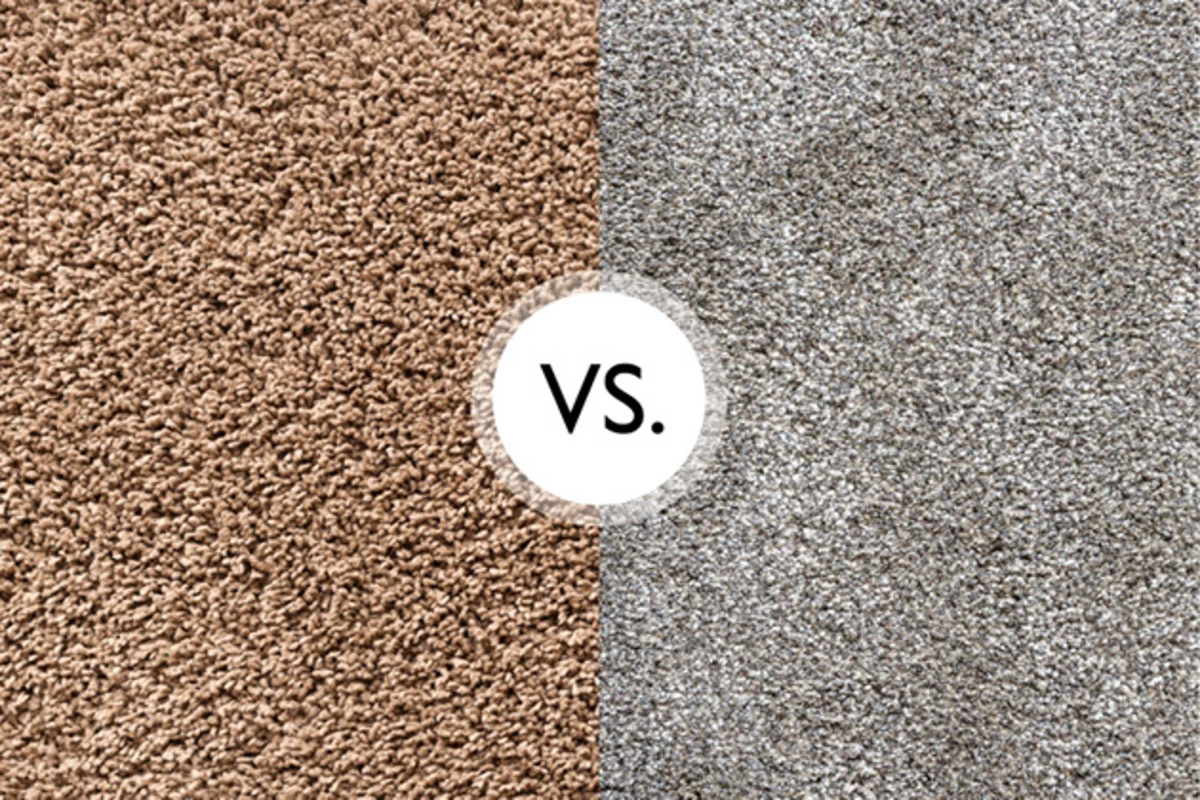
Have you ever grabbed a sporty t-shirt or a sturdy backpack and wondered, "Is this nylon or polyester?" It's a super common question! Many of us use these fabrics every single day without really knowing the difference. They often pop up in similar places, making it easy to think they're two names for the same thing.
But here’s the fun part: they are definitely not the same! While they are both fantastic synthetic siblings from the world of plastics, they each have their own unique superpowers. Think of them like brothers who both play sports but excel at different positions. One might be the star quarterback, and the other, the unbeatable goalie!
Meet the Stars: Nylon
Let's first shine a spotlight on Nylon. Picture this: it burst onto the scene in the late 1930s, creating quite a buzz. It was revolutionary! Its first big splash was in women's stockings, offering an amazing alternative to silk.
Must Read
Suddenly, legs everywhere were wrapped in this smooth, stretchy, and incredibly strong new material. People couldn't get enough of its luxurious feel and impressive durability. It felt almost like magic.
What makes Nylon so special? Its claim to fame is its incredible strength and elasticity. It can stretch quite a bit and bounce right back into shape. This makes it a superstar for items that need to be tough but also flexible.
It’s also known for being very smooth and having a slightly shiny, almost silky feel. This touch of elegance is why it quickly became a favorite for various clothing items. It just drapes so nicely!
You’ll find Nylon doing heavy-duty work in unexpected places. Think about those strong ropes holding up tents, or the durable fabric of your favorite backpack. It’s also often used in swimsuits because of its stretch and quick-drying nature, though it absorbs a little more water than its counterpart.

Nylon: The strong, stretchy, and smooth pioneer.
Because of its inherent strength and ability to resist tears, Nylon is a go-to for outdoor gear. Parachutes, tents, and even climbing ropes often rely on Nylon's robust qualities. It can truly withstand a lot of wear and tear, which is exactly what you want when you're adventuring.
It’s also very resistant to damage from oil and many chemicals. This adds to its longevity and versatility, making it a hero in both fashion and industrial applications. It really is an all-rounder!
Next Up: Polyester!
Now, let's introduce Polyester! This fabric arrived a little later, gaining massive popularity in the 1970s. It quickly became a household name, especially for its famous wrinkle-resistance. Who doesn't love a fabric that stays neat with minimal effort?
One of Polyester's biggest strengths is its fantastic ability to hold its shape. It doesn't stretch out easily and is incredibly durable, standing up to a lot of rubbing and pulling. This makes it perfect for everyday items that see a lot of action.
Another amazing trait of Polyester is how well it resists water and dries super fast. It doesn't soak up moisture like natural fibers or even Nylon. This makes it the champion for rain gear, activewear, and anything that needs to stay dry.

Ever wondered why your favorite sports jersey feels so light and wicks away sweat? Chances are, it's Polyester! It pulls moisture away from your body, helping you stay comfortable even during intense workouts. It’s truly a performance fabric.
Polyester is also a star when it comes to holding vibrant colors. It takes dye very well, which is why you see it in so many colorful and intricately patterned garments. The colors tend to stay bright and don't fade easily.
Polyester: The resilient, quick-drying, wrinkle-fighting champion.
You'll find Polyester in a vast array of products, from your everyday clothing to home furnishings like curtains and upholstery. It’s also used in industrial belts, safety harnesses, and even plastic bottles! Its versatility is truly mind-boggling.
This fabric is also generally more resistant to UV rays than Nylon, meaning it stands up better to prolonged sun exposure. This is another reason it’s great for outdoor furniture and flags, where fading is a big concern. It really holds its own against the elements.
So, What Are the Big Differences?
Alright, let’s get down to the nitty-gritty and highlight some key distinctions. While both are synthetic, strong, and popular, their specific traits often make one a better choice than the other for certain tasks. It’s all about matching the right fabric to the job.
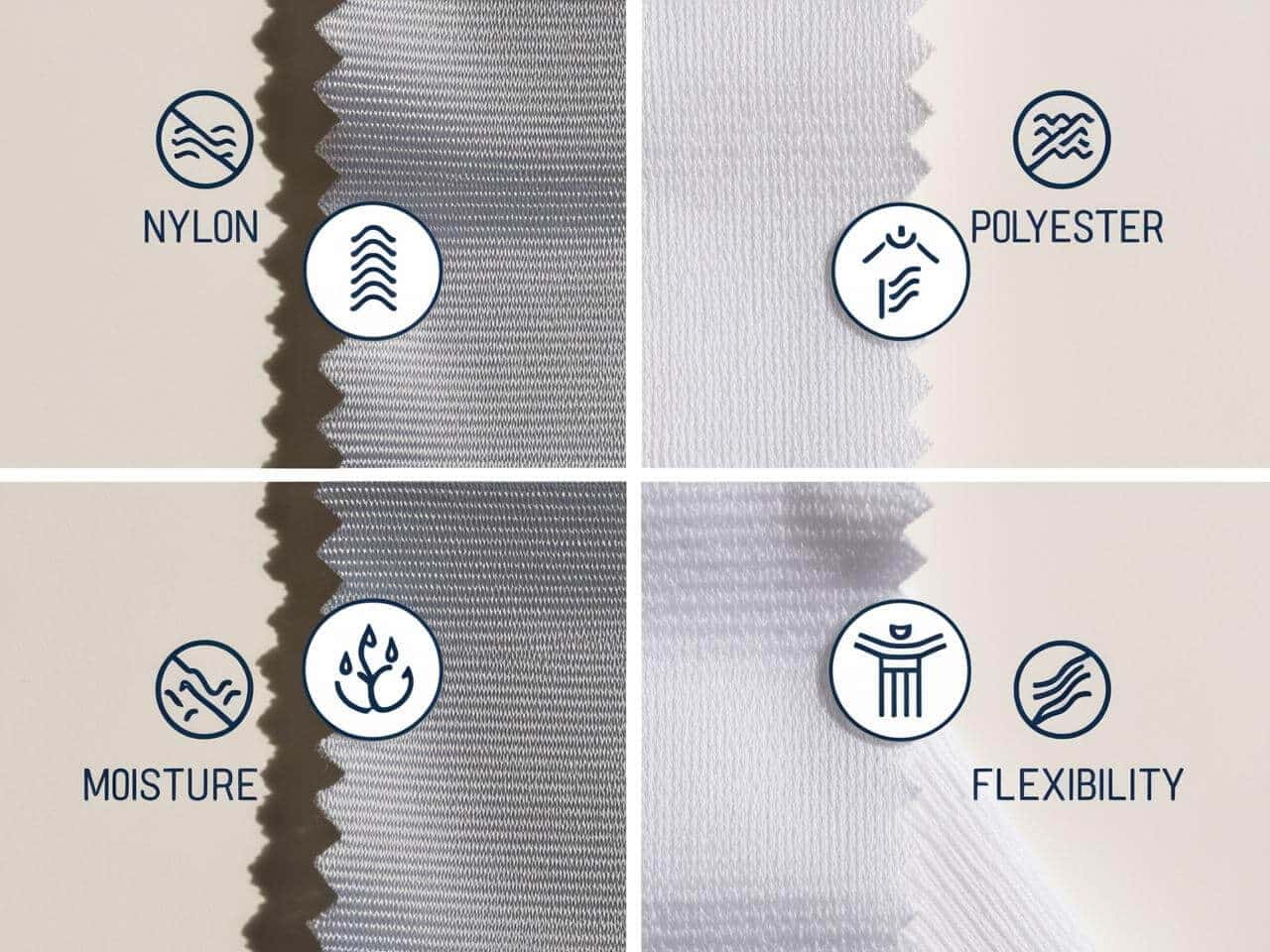
First, consider the feel. Nylon typically feels smoother, silkier, and has a bit more luster. It's often chosen for items where a soft touch is desired. Polyester, on the other hand, can sometimes feel a bit rougher or crisper, though modern advancements have made it much softer.
When it comes to strength and durability, both are powerhouses. However, Nylon excels in tear strength and elasticity. It can stretch and return without breaking. Polyester is incredibly resistant to abrasion and shrinking, holding its shape very well even after repeated washes.
Water absorption is another biggie. Polyester is less absorbent than Nylon, which means it dries faster and resists water better. This is why it’s often preferred for swimwear and outerwear that needs to shed rain quickly. Nylon can absorb a little more water, making it slightly less ideal for very wet conditions.
Then there's heat resistance. Polyester generally handles higher temperatures better than Nylon. Ironing Nylon on too high a heat can easily damage or melt it, whereas Polyester is a bit more forgiving. Always check those care labels!

Finally, consider the cost. Often, Polyester is a bit more affordable to produce than Nylon. This makes it a very popular and cost-effective choice for a wide range of products, without compromising too much on quality. You often get great bang for your buck with Polyester.
Why They Both Matter
So, are Nylon and Polyester the same? Absolutely not! They are distinct, powerful, and incredibly useful fabrics that have revolutionized how we live, dress, and play. They've each carved out their own niche in our modern world.
The beauty is that they often complement each other. Sometimes, you'll even find blends of Nylon and Polyester in a single product, combining the best features of both materials. This creates a super fabric with enhanced qualities like durability, stretch, and moisture-wicking.
From those silky stockings of yesteryear to today's high-performance athletic gear, both Nylon and Polyester continue to evolve. Manufacturers are constantly finding new ways to make them even better, softer, and more sustainable, often using recycled materials. This means less waste and a happier planet.
So next time you pick up a jacket, a pair of leggings, or even a backpack, take a moment to appreciate the incredible engineering behind these fabrics. Is it the stretchy, smooth prowess of Nylon, or the resilient, wrinkle-free magic of Polyester? Now you know they’re different, and that difference makes all the difference!