Is Nuclear Fuel A Fossil Fuel
Ever found yourself scrolling through news feeds, sipping your matcha latte, and wondering about the nitty-gritty of how we power our lives? From charging our phones to lighting up our cities, energy is everywhere. And sometimes, the jargon can feel a bit... well, jargon-y. Today, we're tackling a question that pops up more often than you'd think: Is nuclear fuel a fossil fuel?
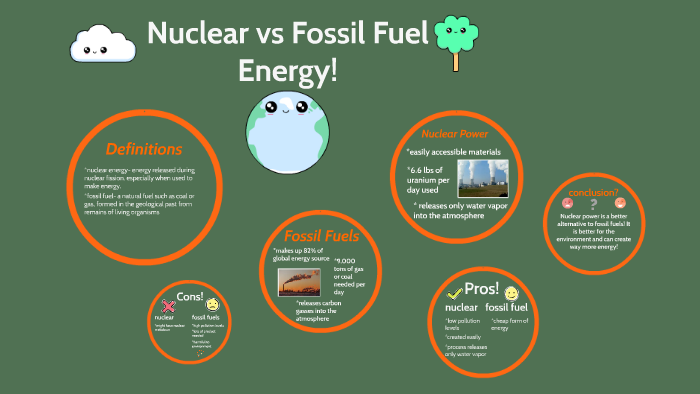
Let's cut to the chase with a big, bold, refreshing splash of truth: No, nuclear fuel is absolutely, positively, unequivocally not a fossil fuel. Consider that myth busted!
What Even ARE Fossil Fuels, Anyway?
Before we dive deeper into the atomic world, let's get clear on what we mean by fossil fuels. Think of coal, oil, and natural gas. These are the ancient superstars of energy, formed over millions of years from the buried remains of plants and animals (yep, actual fossils!). When we burn them for energy, they release carbon dioxide and other greenhouse gases, which, as we know, contribute to climate change. It's like unlocking sunshine stored from eons ago, but with a carbon emission receipt.
Must Read
Enter Nuclear Fuel: A Different Breed of Power
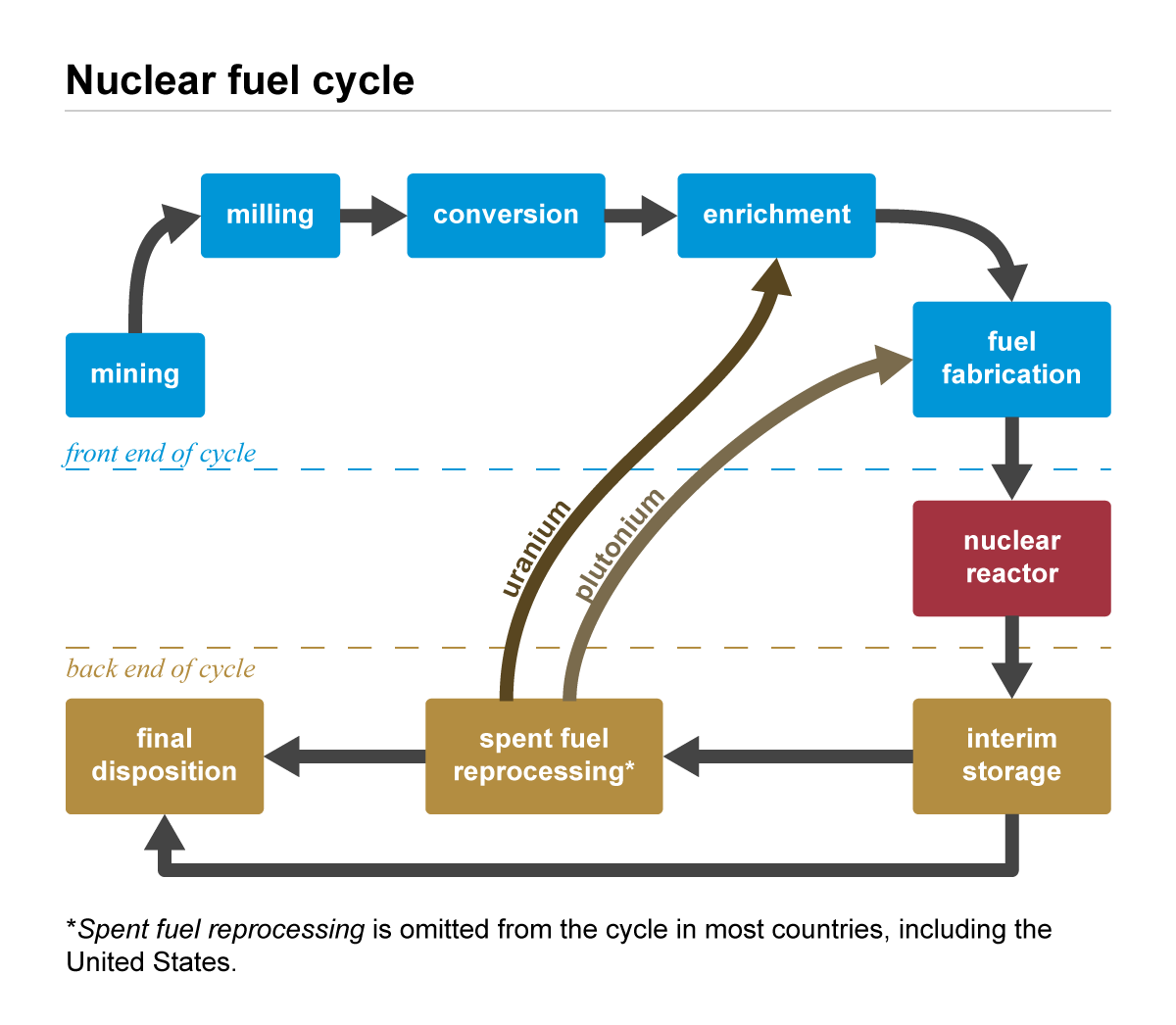
Now, let's talk about nuclear fuel. The most common type is uranium. Unlike fossil fuels, uranium isn't derived from ancient organic matter. It's a naturally occurring heavy metal, born from stellar explosions billions of years ago and found in rocks all over the Earth's crust. It's been chilling in the ground since before dinosaurs were even a twinkle in Mother Nature's eye!
Instead of burning, nuclear power plants generate electricity through a process called nuclear fission. Imagine a tiny atomic billiard game: a neutron hits a uranium atom, splitting it into smaller atoms and releasing a massive amount of energy (and more neutrons to keep the chain reaction going!). This heat is then used to boil water, create steam, and spin a turbine, much like a traditional power plant, but without any combustion.

Here’s the kicker: because it doesn’t involve burning, nuclear power plants produce virtually no greenhouse gases during operation. Zero. Zilch. Nada. It’s a completely different mechanism than the carbon-emitting fossil fuel gang.
Fun Facts & Why It Matters
- Uranium is Everywhere (Sort Of): While concentrated deposits are mined, trace amounts of uranium are naturally present in rocks, soil, and even the food we eat – yes, including bananas! (Don't worry, it's a minuscule amount, not enough to give you superpowers, unfortunately).
- Tiny Powerhouses: A single uranium fuel pellet, about the size of an eraser tip, can produce as much energy as 150 gallons of oil, a ton of coal, or 17,000 cubic feet of natural gas. Talk about efficiency!
- A Different Kind of "Fuel": Think of it less as "fuel" in the sense of something you burn, and more as a "material" that undergoes a transformative physical process.
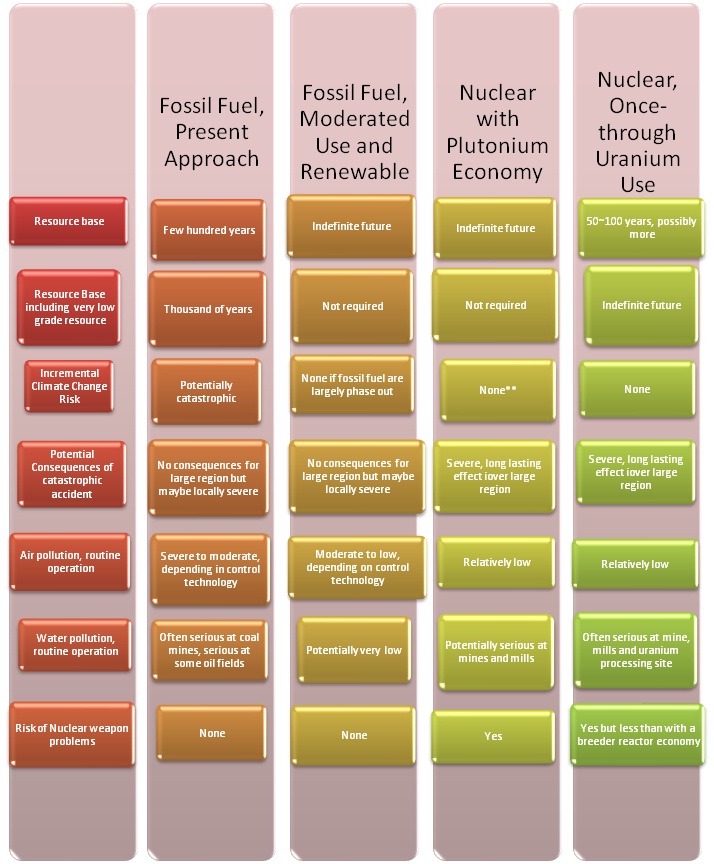
Understanding this distinction is more than just a fun dinner party fact. It’s crucial for informed discussions about our energy future. When we talk about reducing carbon emissions, nuclear power stands out as a significant low-carbon energy source, offering a reliable, steady supply of electricity that doesn't depend on the sun shining or the wind blowing.

Connecting to Your Daily Life
So, why does this matter to you as you plan your weekend hike or choose your next streaming binge? Because every time you flip a light switch or charge your devices, you're tapping into an energy grid powered by a mix of sources. Knowing the difference between a fossil fuel and nuclear fuel helps you better understand the environmental impact and the complexities of our energy choices.
It’s about being an educated consumer and citizen. When discussions about energy policies or climate change come up, you'll be able to differentiate fact from fiction, understanding that while nuclear energy has its own set of challenges (like waste disposal, which is a big topic for another day!), it's a fundamentally different beast than coal or oil when it comes to greenhouse gas emissions.
Next time you hear someone lump all energy sources into one big "polluting" basket, you can casually drop your newfound wisdom. Understanding where our energy comes from is the first step in envisioning a cleaner, more sustainable future. After all, knowledge is power, right? And maybe, just maybe, it's also a tiny bit nuclear-powered.