
Is Nuclear Energy Renewable Or Non Renewable

Hey, wanna grab another coffee? Good, because we need to talk. About nuclear energy. Specifically, is it renewable or non-renewable? It's a surprisingly thorny question, right? Like trying to untangle Christmas lights after they've been in the attic all year.
Okay, so the short answer? It's complicated. (Surprise!) But mostly...non-renewable. Let's break it down.
The Uranium Situation
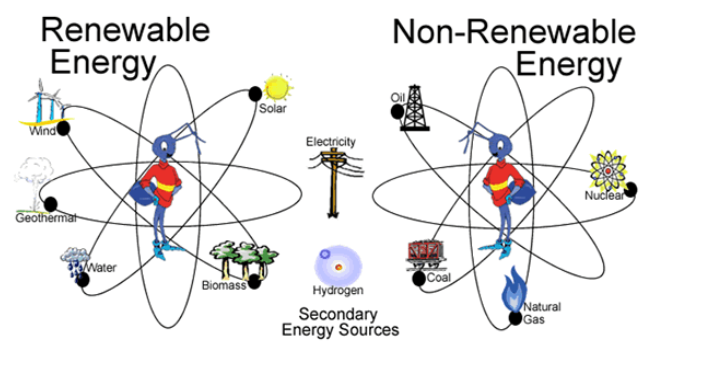
Nuclear power plants, you see, need fuel. And that fuel is usually uranium. Uranium is mined from the Earth. We dig it up, process it, and then use it to create nuclear reactions. Think tiny, controlled explosions that generate heat, which boils water, which spins turbines, which makes electricity. Whew! That's a mouthful.
Must Read
Now, here's the rub. Is there a limitless supply of uranium just sitting there waiting for us? Sadly, no. We have a finite amount. Like that last slice of pizza. Once it's gone, it's gone (unless you order more, duh!).
So, since uranium is a finite resource, just like oil, coal, and natural gas, it falls into the non-renewable category. Bummer, right?
![Is Nuclear Energy Renewable? [Our EASY In-Depth Guide]](https://greenbuildingelements.com/wp-content/uploads/2021/03/BFP_IsNuclearEnergyRenewable.jpg)
But wait! Don't toss your coffee just yet! There's a twist (or two, actually).
The Breeder Reactor Loophole
There's this nifty thing called a breeder reactor. Essentially, these reactors can produce more nuclear fuel than they consume. Imagine a machine that prints money! Well, not exactly, but close. They take certain isotopes of uranium (or even thorium) and convert them into plutonium, which can then be used as fuel.
Cool, huh? It sounds renewable-ish, right? I mean, if you're making more fuel… But even then, the starting material (uranium or thorium) is still a finite resource. So, even with breeder reactors, we’re just extending the lifespan of existing resources. Like regifting that fruitcake you got last year. It's still the same fruitcake, just with a new bow!
Thorium: The Dark Horse
Speaking of thorium... It's another contender in the nuclear fuel game! Thorium is actually more abundant in the Earth's crust than uranium. Which means… we have more of it! Hooray!
Using thorium in nuclear reactors could potentially stretch our nuclear fuel supply significantly. Some even argue that, given its abundance, thorium could make nuclear energy a near-renewable resource. But we're talking future tech, and "coulds" and "potentiallys" don't change the current reality. We don't currently widely use Thorium in nuclear reactors. Plus, even thorium isn't truly infinite. Just…very plentiful. Like sand at the beach. You'll probably never run out, but technically, it's a finite amount.
So, is thorium a game-changer? Maybe. Stay tuned!
Fusion: The Holy Grail (Maybe)
Okay, one more curveball. What about nuclear fusion? This is what powers the sun! It involves smashing atoms together to release energy. And the fuel? Hydrogen, which is super abundant (think water!).
If we could figure out how to harness fusion power safely and efficiently (a big "if"), it would be a game-changer. It would essentially be a virtually limitless, clean energy source. But we're still a long way off. Scientists have been chasing the fusion dream for decades. It's like trying to catch a greased pig. Slippery and elusive!
Fusion is definitely in the renewable-ish category. If we can make it work! But for now, it's more of a futuristic promise than a present-day reality.
The Verdict
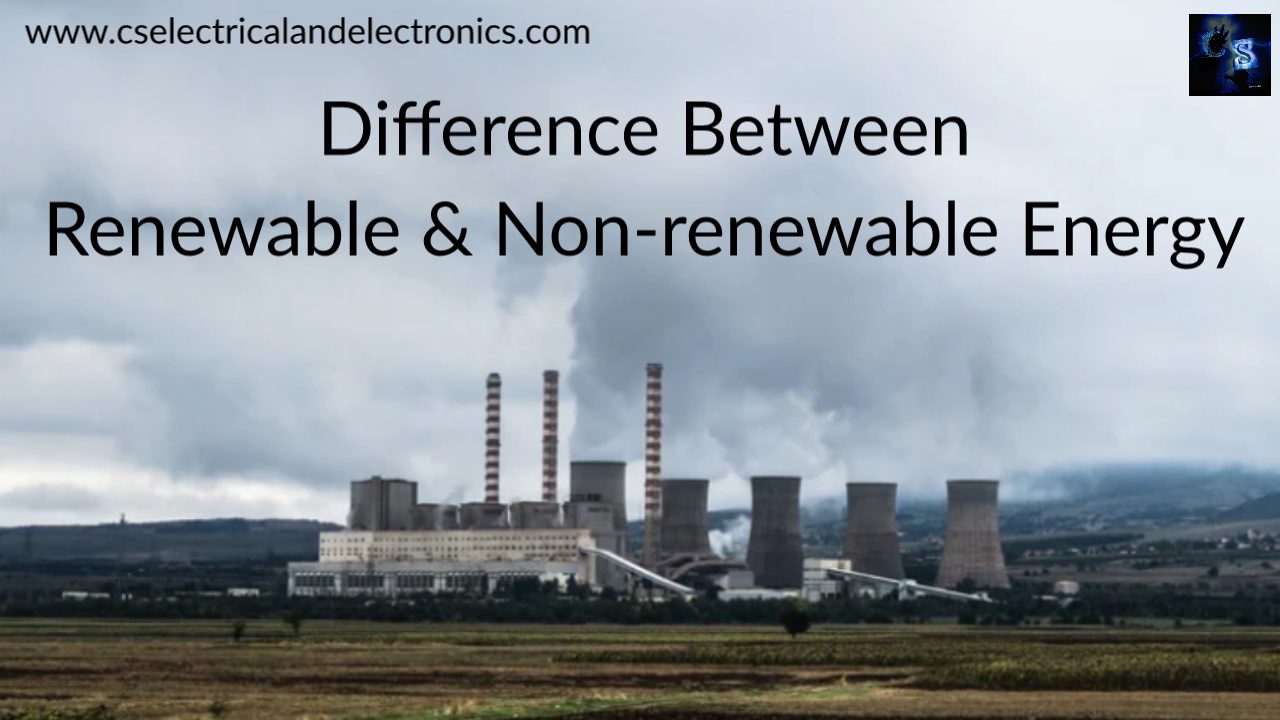
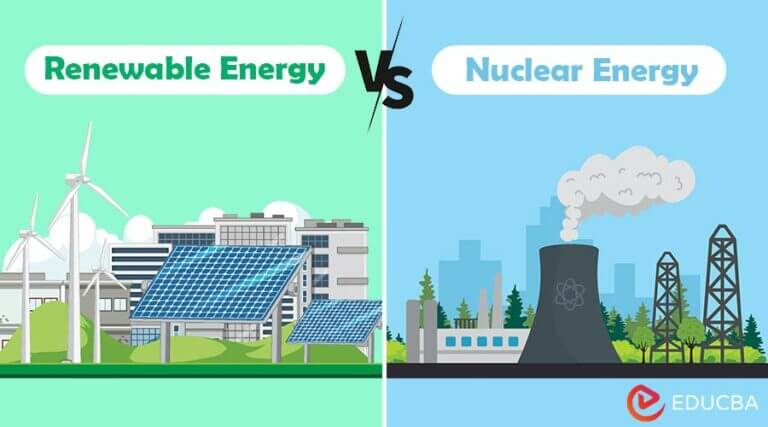
So, back to the original question: Is nuclear energy renewable or non-renewable? Considering that most nuclear plants rely on finite uranium, the answer is generally non-renewable. Even with breeder reactors and the potential of thorium, we're still dealing with finite resources.
Fusion? That's the wildcard. If (and it's a BIG if) we crack the fusion code, then we're talking renewable-ish. But until then, let's stick with the practical answer: Nuclear (as we know it) is predominantly a non-renewable energy source. Now, who wants more coffee and to debate solar panel efficiency?