
Is Nuclear Energy A Renewable Energy Source

Okay, let's talk nuclear energy. It's that power source that seems to inspire as much trepidation as it does fascination. But is it renewable? That’s the million-dollar question, isn't it? Buckle up, buttercup, because we're about to dive into the atomic world with a cool, calm, and collected approach.
The Core of the Matter: Renewable vs. Non-Renewable
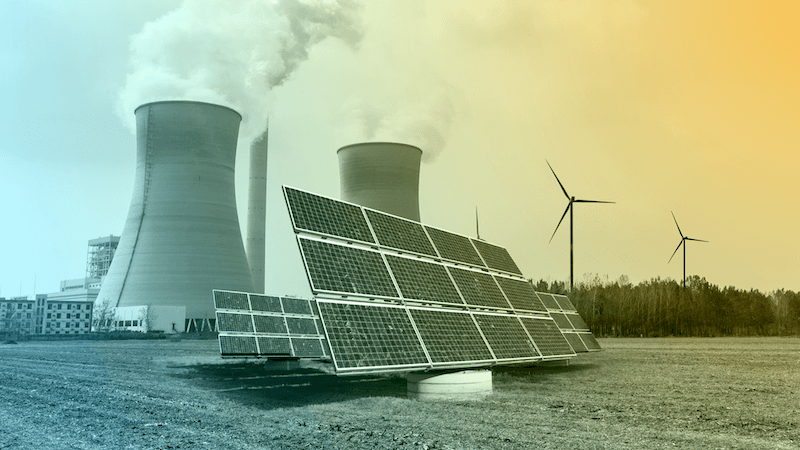
First, let's define our terms. Renewable energy comes from sources that are naturally replenished – think sunshine for solar power, wind for turbines, and water for hydroelectric dams. These sources are, theoretically, inexhaustible. Imagine the Earth singing “The Circle of Life” from The Lion King - it just keeps going and going!
Non-renewable sources, on the other hand, are finite. Once we use them up, they're gone (at least within a timeframe that matters to us humans). Fossil fuels like coal, oil, and natural gas fall into this category. They're like that limited-edition vinyl record you snagged – awesome while it lasts, but eventually, you'll have to face the music (pun intended!).
Must Read
Nuclear Fission: Where Does Uranium Fit In?
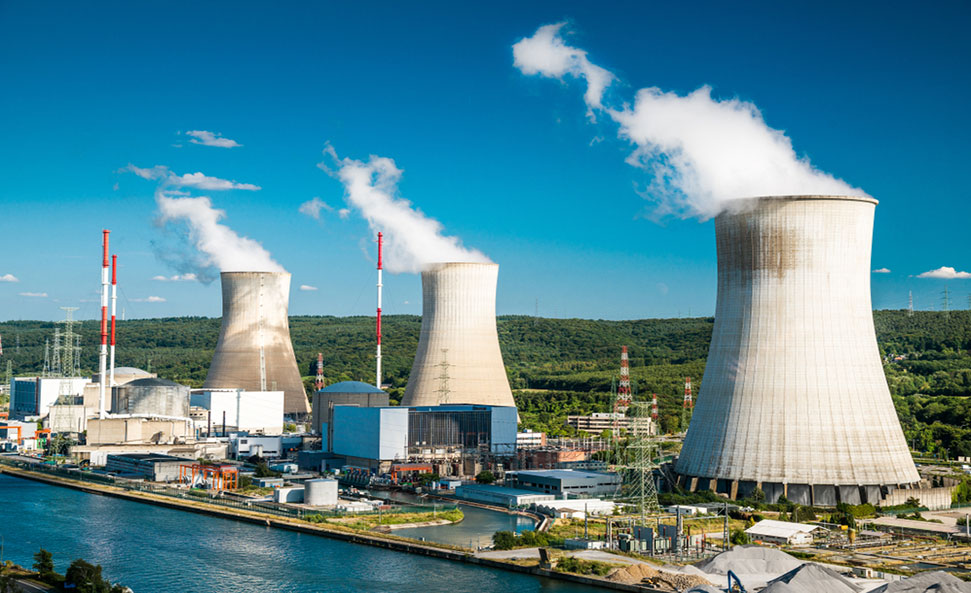
Now, where does nuclear energy fit into this picture? Nuclear power plants generate electricity through nuclear fission. This involves splitting atoms, typically uranium, to release energy. The heat produced is then used to create steam, which spins turbines and generates electricity – just like in a traditional power plant, but with a different heat source.
Here’s the kicker: Uranium is a finite resource. It’s mined from the earth, just like coal or oil. So, in its current form, nuclear energy from uranium fission is technically considered a non-renewable resource. Think of it like platinum in a Rolex; valuable and effective, but not infinite.
The Plot Twist: Nuclear Breeding and Thorium
However, the story doesn't end there! This is where things get interesting and lean toward the renewable side. There are advanced nuclear technologies, such as “breeder reactors,” that can convert non-fissile isotopes of uranium into fissile plutonium, or even use thorium as fuel.
Thorium is far more abundant than uranium and could potentially provide energy for thousands of years! So, if we embrace these technologies, nuclear energy could become effectively renewable. It’s like discovering that limited-edition vinyl record actually has a secret B-side with even better tunes!
Practical Considerations & Cultural Context
Of course, there are significant challenges associated with nuclear energy, regardless of the fuel source. Public perception, safety concerns (think Chernobyl and Fukushima), and the disposal of nuclear waste are all major hurdles. These are serious considerations, and they shape the cultural narrative surrounding nuclear power. You wouldn't carelessly leave a lightsaber lying around, would you? The same principle applies here.
Practical tip: Want to reduce your reliance on any energy source, renewable or not? Simple: be mindful of your energy consumption. Turn off lights when you leave a room, unplug electronics when not in use, and consider energy-efficient appliances. Small changes can make a big difference!
Fusion: The Holy Grail of Energy?
And let’s not forget nuclear fusion! This is the process that powers the sun, and if we can replicate it here on Earth, we could have a virtually limitless source of clean energy. Fusion uses isotopes of hydrogen, which are abundant in seawater. Think of it as an endless supply of sunshine in a box! However, fusion technology is still in its experimental stages, decades away from commercial viability. But the potential is truly staggering.
Fun fact: Did you know that Marie Curie, the pioneer of radioactivity research, coined the term "radioactive"? Talk about leaving your mark on the world!
![Is Nuclear Energy Renewable? [Our EASY In-Depth Guide]](https://greenbuildingelements.com/wp-content/uploads/2021/03/BFP_IsNuclearEnergyRenewable.jpg)
The Verdict: It's Complicated...But Hopeful
So, is nuclear energy renewable? The answer is…it depends. Currently, using uranium fission, it's not. But with advanced technologies like breeder reactors and the potential of thorium, and especially with the long-term promise of fusion, nuclear energy could become a significant part of a sustainable energy future. It's a complex issue with no easy answers, but one with enormous potential.
Ultimately, the quest for sustainable energy is a journey, not a destination. We need a mix of renewable sources, technological innovation, and responsible energy consumption to create a brighter future for generations to come. And that's something we can all get behind.
Reflection: Think about your daily energy usage. What small changes can you make today to be more mindful of the planet's resources? Maybe it’s biking to work instead of driving, or simply turning off the lights when you leave a room. Every little bit helps, and together, we can make a difference, one lightbulb at a time.