
Is Nuclear Energy A Fossil Fuel
Alright, settle in, grab that imaginary coffee, maybe a croissant, because we’re about to tackle a question that pops up more often than you’d think, usually from someone who’s just watched a sci-fi movie with a glowing green goo monster: “Is nuclear energy a fossil fuel?”
Now, I know what you might be thinking. Nuclear power plants, big structures, lots of energy… it feels weighty, right? And some folks hear "fuel" and their brain instantly goes to "gasoline" or "coal," which are, you guessed it, fossil fuels. But let me tell you, confusing nuclear energy with a fossil fuel is like confusing a microwave with a campfire. Both make things hot, but the how is dramatically, hilariously different.
So, What ARE Fossil Fuels, Anyway?
Let's start with the basics, shall we? When we talk about fossil fuels – we're talking about the ultimate "recycled" energy. Picture this: millions of years ago, dinosaurs roamed. Lush forests grew. Then, they all had a really, really bad day. They died. They got buried. And over eons, under immense pressure and heat, that squishy dino-goo and ancient plant matter transformed into oil, coal, and natural gas. It’s literally decomposed ancient life. Hence, fossil fuel. It’s energy stored in the chemical bonds of incredibly old, dead stuff. Kinda gross, kinda cool.
Must Read
Enter Uranium: Not Your Average Dinosaur
Now, let's introduce the star of our nuclear show: uranium. Does it smell faintly of T-Rex? Did it once photosynthesize? Was it part of a primordial swamp? Absolutely not! Uranium is a heavy metal, an element found naturally in the Earth’s crust. It’s everywhere, in tiny amounts, from the rocks under your house to the banana you might have for breakfast (don’t worry, it’s safe!).
But here’s the kicker, the mind-blowing, galaxy-spanning fact that sets it apart: uranium wasn’t formed from ancient biological material. It wasn’t napping in a prehistoric swamp. It was forged in the fiery hearts of supernovae! Yeah, you heard that right. Exploding stars! We're talking cosmic-level origins here, folks, not just a really old compost pile. It’s been chilling in our planet since the Earth itself formed, billions of years ago. A truly ancient artifact of the universe.

How Nuclear Energy Actually Works (No Flames Involved!)
So, if we’re not burning ancient dinosaur juice, what exactly are we doing? This is where the magic (and science!) happens. Nuclear energy relies on a process called nuclear fission. Instead of burning things (which is a chemical reaction that releases energy and typically CO2), we’re splitting atoms. Specifically, we take those unstable uranium atoms, whack 'em with a neutron, and they split, releasing a tiny burst of energy, more neutrons, and heat. That heat then boils water, creates steam, and spins a turbine to generate electricity.
Think of it like this: fossil fuels are like burning a log in a fireplace. Nuclear is like gently nudging a super-dense, invisible puzzle piece that then explodes into a gazillion other pieces, releasing enough heat to boil a whole ocean – all without ever touching a match. No combustion. No flames. No smoke. No carbon dioxide emissions from the power plant itself.

The "Carbon Footprint" Confusion
Now, some people might hear "nuclear" and immediately think "radioactive waste" or "big carbon footprint." Let's clear that up. While nuclear power does generate radioactive waste (which is safely stored, by the way, not just dumped in a glowing green pile somewhere), its operational carbon footprint is incredibly small. In fact, it's comparable to renewables like solar and wind!
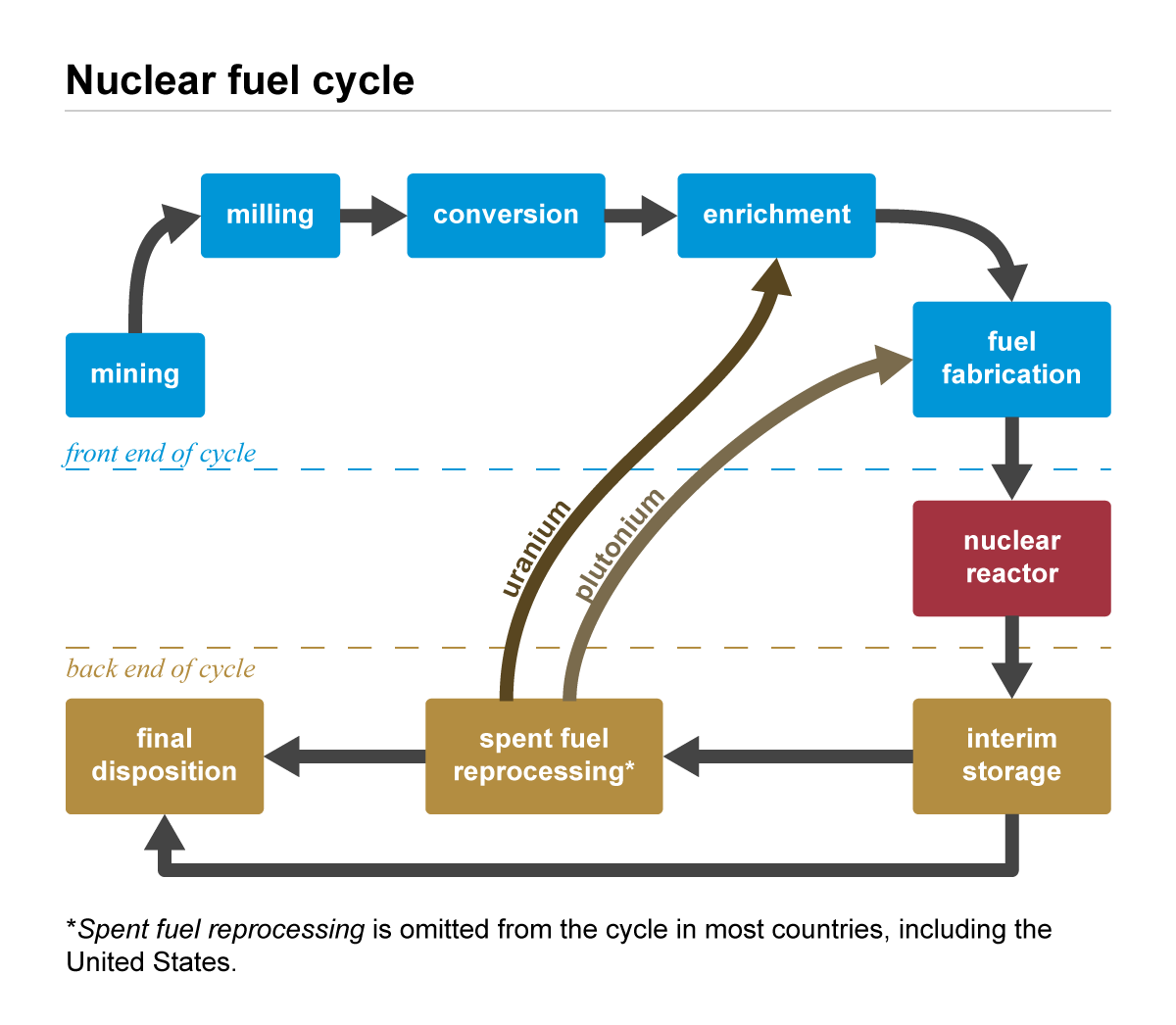
From the moment you dig the uranium out of the ground to the second the electricity hits your home, nuclear energy is considered a low-carbon power source. The emissions associated with nuclear power mostly come from the mining, enrichment, and construction phases, not from the actual power generation. So, no, it's not belching out CO2 like a coal plant. It's actually a vital tool in the fight against climate change, offering reliable, always-on, non-intermittent power without relying on fossil fuels.
The Grand Finale: Not a Fossil Fuel!
So, to bring it all home: is nuclear energy a fossil fuel? A resounding, enthusiastic, absolutely not! It's a heavy metal forged in the hearts of exploding stars, not decomposed dinosaurs. It harnesses the power of atomic fission, not chemical combustion. It’s a clean-air champion, not a carbon emitter during operation.
Next time someone tries to lump nuclear in with oil or coal, you can confidently take a dramatic sip of your beverage, lean in, and whisper, "Darling, uranium comes from supernovae. Dinosaurs were just... dinosaurs." And then drop that knowledge bomb with a twinkle in your eye. You’re welcome.
