Is Not Reacting With Another Element Or Object

Have you ever admired a perfectly still pond, reflecting the sky with unwavering clarity? Or maybe you've found yourself captivated by a piece of artwork, its beauty stemming from the very elements that don't change? There's a certain satisfaction, a quiet power, in the ability of something to remain inert, to resist alteration. We often celebrate reactivity, innovation, and change, but let's take a moment to appreciate the underappreciated: the art and science of not reacting.
The concept of "not reacting," or being inert, is far more crucial than you might initially think. At its core, it's about stability and preservation. In everyday life, inertness protects us and the world around us. Imagine if the materials used to build your house were constantly reacting with the air and moisture! The structural integrity would crumble. The paint would peel. Chaos would ensue!
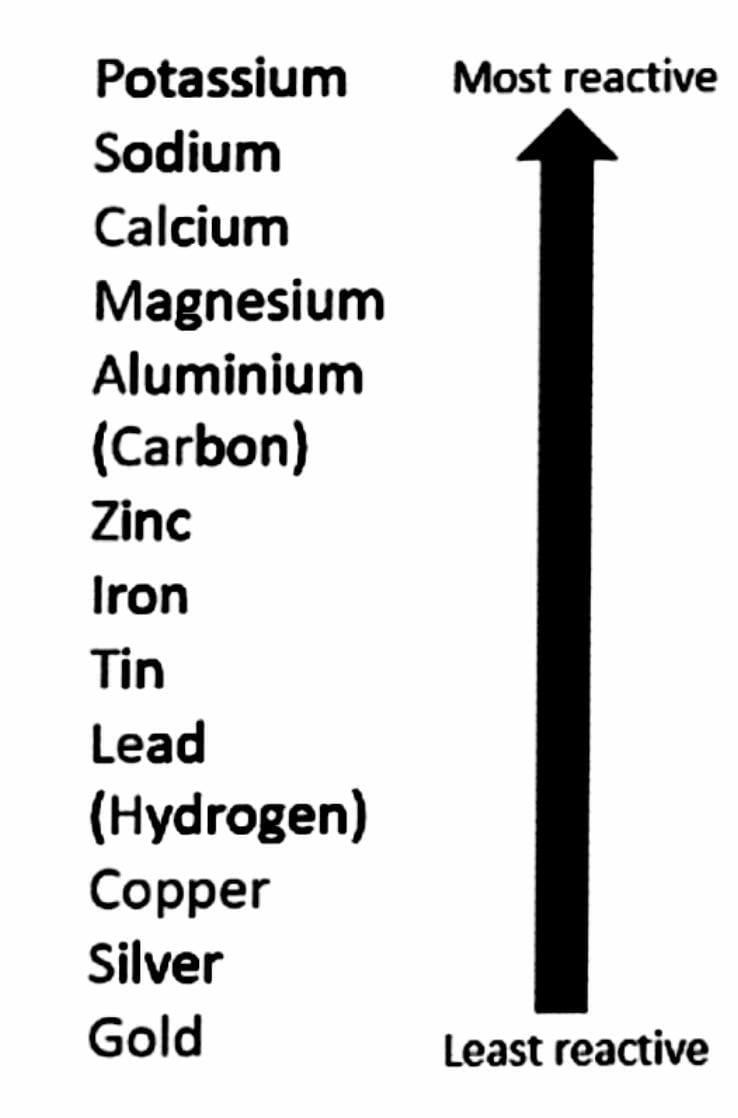
The benefits of inertness are vast. It ensures longevity, maintains purity, and provides a crucial barrier against degradation. Think about the noble gases, like helium and neon. They're used in balloons and lighting precisely because they don't react with other elements. Helium keeps your party balloons afloat without exploding, and neon glows brightly in signs for years because it remains unchanged. In the food industry, inert gases like nitrogen are used in packaging to prevent oxidation, keeping your snacks fresh and preventing spoilage. Consider the gold jewelry you wear; its value stems partly from its resistance to tarnishing – its unwillingness to react with the environment.
Must Read
Inertness also plays a vital role in scientific advancements. Pharmaceutical companies rely on inert coatings to protect sensitive medications from breaking down before they reach their target. Scientists use inert atmospheres to conduct experiments that would otherwise be impossible in the presence of oxygen or other reactive substances. The controlled environment allows for precise and predictable results, advancing our understanding of the universe.
So, how can you better appreciate and utilize the power of "not reacting" in your own life? First, consider the materials you choose. Opt for durable, non-reactive materials for things you want to last, like stainless steel kitchenware or waterproof outdoor gear. Second, think about protection. Using airtight containers for food storage or applying protective coatings to surfaces can significantly extend their lifespan. Third, and perhaps most importantly, learn to value stability in all its forms. Just as a perfectly inert element provides a stable foundation, cultivating inner calm and resilience in the face of external stressors allows you to "not react" in a way that benefits your own well-being and the well-being of those around you. Embracing the art of remaining still, both materially and mentally, can unlock a world of possibilities.