Is Nitrogen Produced From Burning Fossil Fuels
Ever wondered about where stuff comes from? Like, really comes from? We often think about gas in our cars and how it powers our adventures. But what happens after that “vroom”? Does burning fossil fuels make nitrogen? Let’s dive in, shall we?
So, the quick answer is mostly…no. But, like all things science-y, there's a bit more to it than that. Think of fossil fuels as being packed with carbon and hydrogen. When we burn them, we mostly get carbon dioxide (CO2) and water (H2O). Those are the main characters in this combustion story. Nitrogen? It's more of a cameo role.
The Air Up There: Nitrogen's Natural Habitat
Nitrogen is a superstar of the atmosphere. Seriously, it makes up about 78% of the air we breathe! It's not exactly made by burning fossil fuels, but burning fossil fuels can create different nitrogen-containing compounds. It's like nitrogen is already hanging out at the party, and the combustion process just changes its outfit.
Must Read
Think of it like this: you've got a bunch of LEGO bricks already built into one thing. Burning fossil fuels doesn't create new LEGO bricks. It just takes some of the existing ones and rearranges them. Those rearranged nitrogen LEGOs are where things get interesting (and a tiny bit complicated).
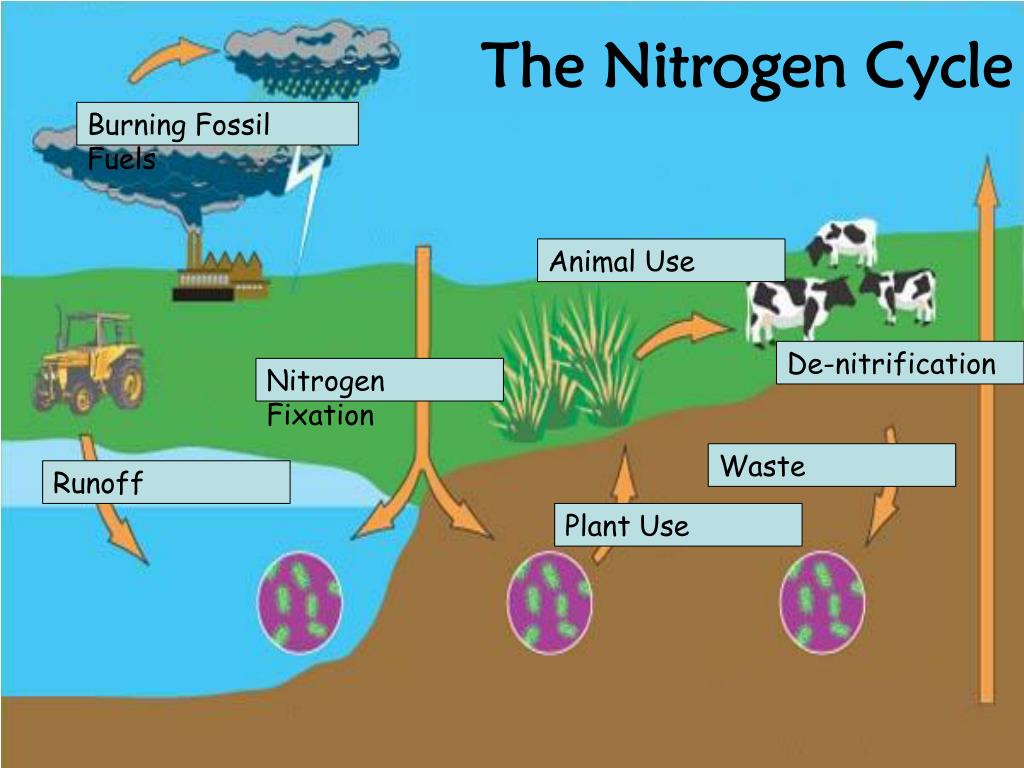
So, burning fossil fuels, in and of itself, doesn't produce nitrogen in the traditional sense. What does happen is that it can lead to the formation of nitrogen oxides (NOx). Nasty fellas, right? They’re created when nitrogen in the air reacts at high temperatures during combustion. And those pesky NOx can cause all sorts of problems, like smog and acid rain.
That's why things like catalytic converters in your car are so important. They help to clean up those NOx emissions. It's like a tiny superhero inside your exhaust pipe!
The Fertilizer Connection
Here’s another quirky nitrogen fact. Most of the nitrogen in fossil fuels isn't magically created during the combustion process. It gets into the fuel (like oil or coal) over millions of years, when dead plants and animals decompose. So, it’s originally from organic matter!
The thing is, nitrogen is absolutely essential for life! It's a key ingredient in proteins and DNA. Farmers use nitrogen-based fertilizers to help their crops grow big and strong. Interestingly, the process of making these fertilizers also involves transforming nitrogen from the air into a usable form, often using a process called the Haber-Bosch process. It's like a nitrogen makeover!

So, is Nitrogen the Bad Guy?
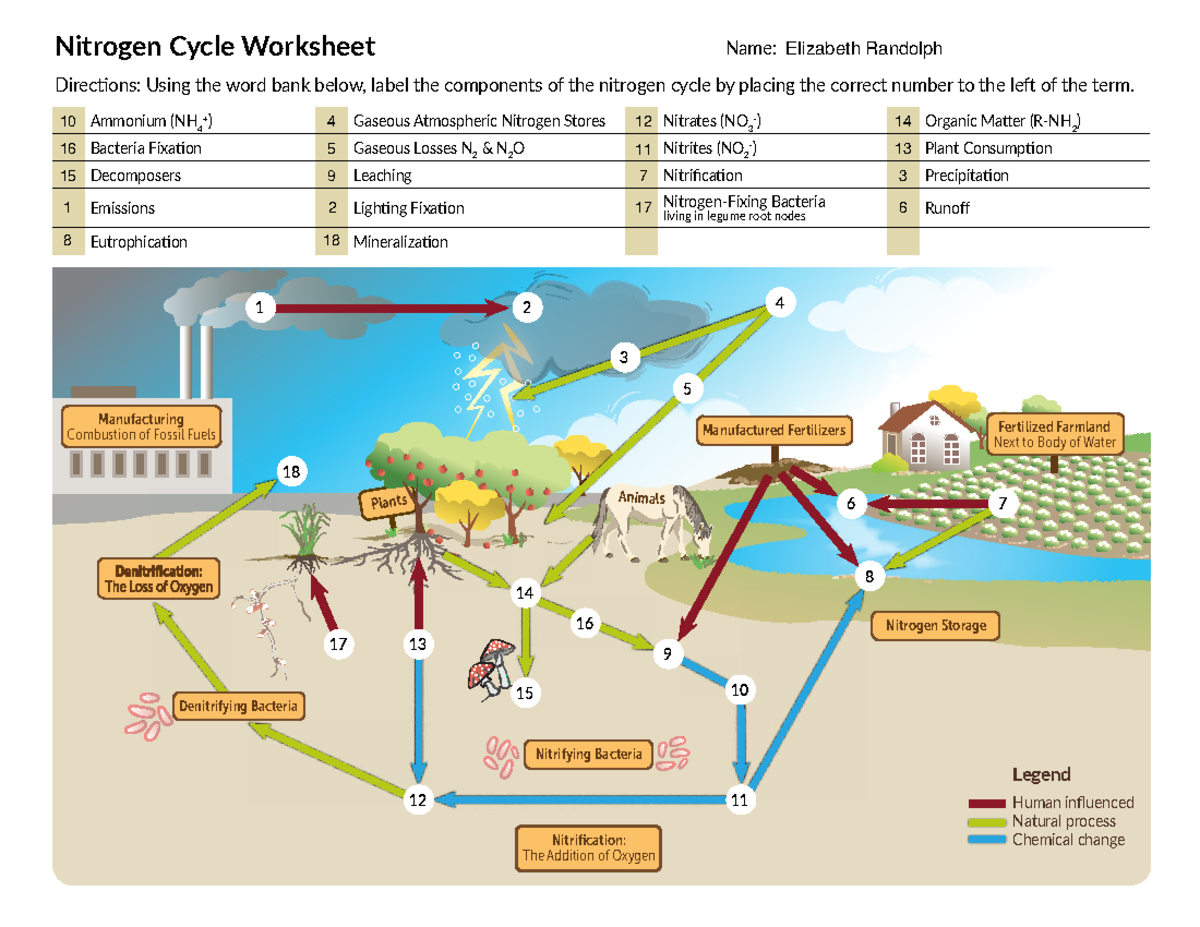
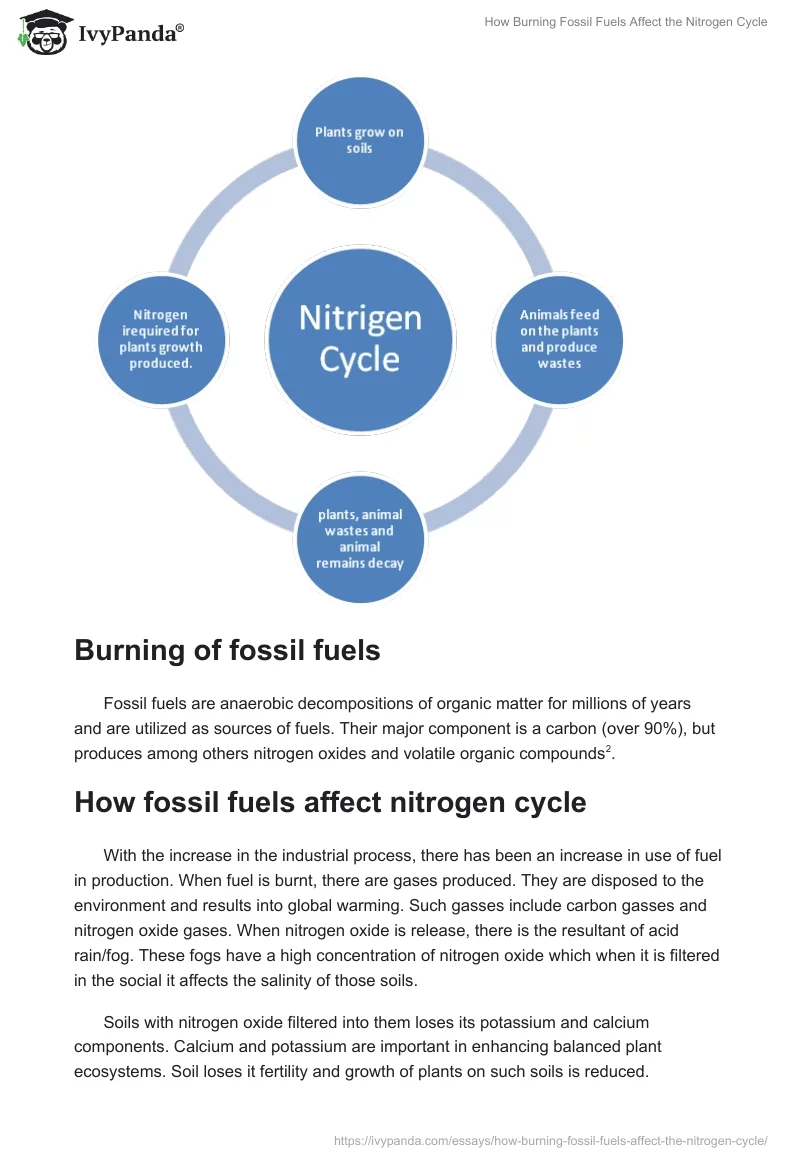
Not really. It's more about how we're using nitrogen. Nature has its own nitrogen cycle, where nitrogen moves between the air, soil, and living things. But human activities, like burning fossil fuels and using lots of fertilizer, can throw that cycle out of whack. Too much nitrogen in the wrong places can lead to pollution and other environmental problems.
Think of it like throwing a pizza party. Pizza is great! But if you order 100 pizzas for five people, you're going to have a problem. Too much of a good thing can be… well, too much.
The burning of fossil fuels primarily releases carbon dioxide. However, it inadvertently facilitates the creation of nitrogen oxides (NOx). It's a reminder that every action, even seemingly simple ones like driving a car, has a ripple effect. It impacts the world around us.
The takeaway? Fossil fuels don't make nitrogen. They release carbon dioxide. But, the nitrogen in the air can get converted into things like nitrogen oxides, which are definitely not our friends.
So, next time you fill up your car, think about the amazing and slightly complicated journey of nitrogen. It's all around us. It affects everything from the air we breathe to the food we eat. And even though it's not directly made by burning fossil fuels, understanding its role can help us make better choices for our planet. Who knew nitrogen could be so entertaining?