
Is Natural Gas Lighter Or Heavier Than Air
Ever cooked a delicious meal on a gas stove? Or maybe you’ve cozied up next to a gas fireplace on a chilly evening? Natural gas is a part of our daily lives, warming our homes and firing up our kitchens. But have you ever paused to wonder about its secret superpower?
It’s a question that might seem simple, yet it holds a surprising little secret about how this invisible helper behaves in the world around us. Let's dive into a playful mystery!
Imagine you’re holding two invisible balloons. One is filled with the air you breathe every day. The other? It’s brimming with natural gas.
Must Read
Which one would float up to the ceiling like a mischievous sprite? And which would sink to the floor like a grumpy, invisible pebble?
The Great Gas Reveal!
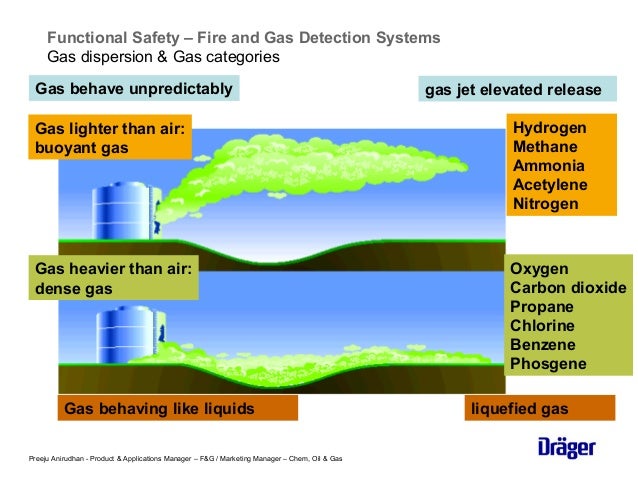
Alright, no more suspense! Drumroll please... Natural gas is lighter than air!
Yes, you heard that right! It's not a heavy, sluggish cloud that clings to the ground. Instead, it’s a light, airy substance with an incredible urge to soar.
Think of it like a superhero with anti-gravity powers, constantly trying to escape upwards. It's a true high-flyer in the world of gasses!
This might seem like a small detail, but it has some pretty big and interesting implications for how natural gas acts in our homes and in the great outdoors.
Up, Up, and Away! The Helium Balloon Effect
Remember the pure joy of holding a helium balloon at a party? You let it go, and it doesn't just hover; it zooms straight for the ceiling, trying its best to reach the moon.
That's exactly what natural gas wants to do! Its primary component, a little marvel called methane, is a true featherweight champion.
Methane molecules are just so much lighter than the mix of nitrogen and oxygen molecules that make up the air we breathe. It's like comparing a fluffy cloud to a weighty rock.
If you could release a puff of natural gas in your living room (please don't, safety first!), it wouldn't pool on the rug. Oh no, it would beeline for the ceiling, politely trying to sneak out through any tiny crack.
"Natural gas doesn't sink; it's a social climber, always heading for the top!"
It practically has an internal compass pointing straight to the sky. This upward mobility is a fantastic trait for a gas we use so often.
Imagine if it were heavier! It would just sit stubbornly on the floor, maybe even sneaking under doors and into nooks. But nope, natural gas is far too ambitious for that.
Comparing Featherweights and Heavyweights
Let’s put this into perspective with some fun comparisons. Think about a giant hot air balloon gently drifting across the landscape. Why does it float?

Because the air inside the balloon is heated, making it lighter than the cooler air outside. Natural gas doesn't even need a burner; it's naturally lighter to begin with!
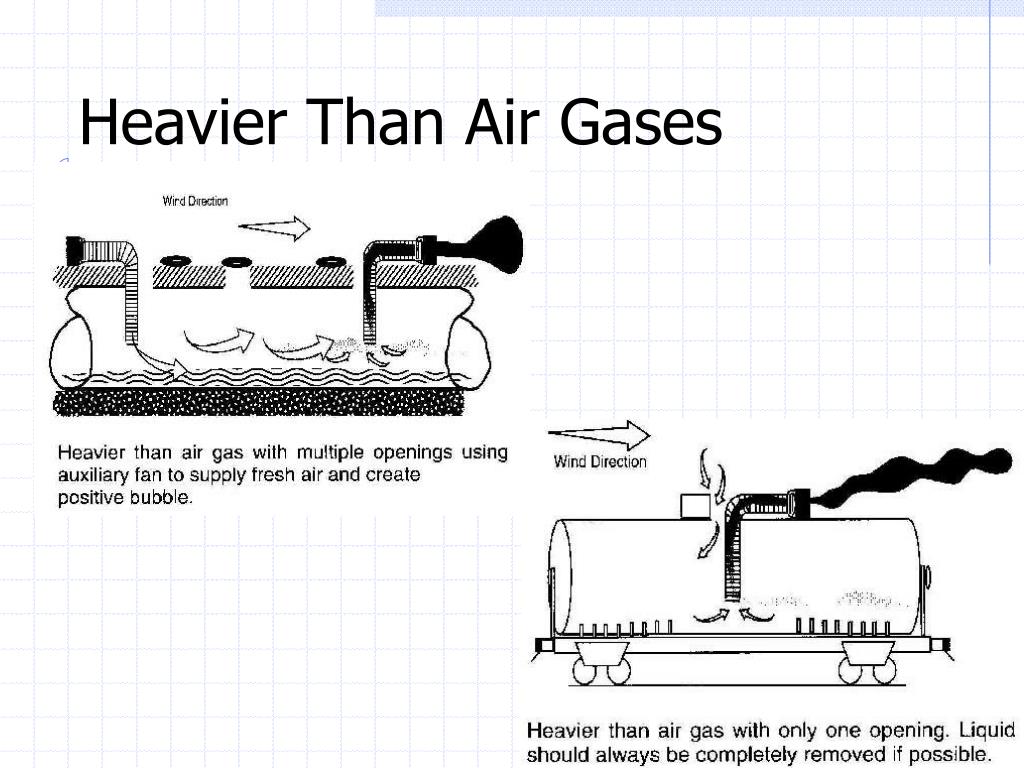
Now, consider carbon dioxide. That's the gas you exhale, and it's also found in soda bubbles. Carbon dioxide is actually heavier than air.
If you released a bunch of carbon dioxide in a still room, it would tend to sink and collect at lower levels, like a tiny invisible lake on the floor. It's got no ambition to fly!
But our star, natural gas, is the opposite! It's the ultimate escape artist, always finding its way upwards.
This characteristic is super important in understanding how natural gas behaves if there's ever a leak. Instead of lingering low, it wants to disperse into the atmosphere.
It's like a flock of invisible birds, always seeking the open sky rather than nesting in dark corners.
The Curious Case of the Upward-Bound Gas
So, when you turn on your gas stove, and that wonderful blue flame appears, know that the gas fueling it has quite the personality. It’s got a buoyant spirit, always eager to rise.

It doesn’t just sit around. Oh no, natural gas is a go-getter, a high-flier, an upward adventurer!
It’s like that one friend who always insists on sitting on the highest available chair or finding the tallest viewpoint. Natural gas is just naturally drawn to the top.
This makes methane, the primary ingredient, quite the fascinating molecule. It’s small, it’s nimble, and it's always ready for liftoff.
Next time you think about natural gas, picture it with tiny invisible wings, gently pushing its way towards the ceiling. It’s quite the friendly little floater!
It doesn't cling; it ascends. It doesn't settle; it seeks the stratosphere (or at least the upper parts of your room!).
This playful lightness is a fundamental property that shapes everything about how we interact with this incredibly useful energy source.

So, What's the Big Takeaway?
The next time you hear someone ponder if natural gas is lighter or heavier than air, you can confidently declare, with a wink and a smile, that it’s a proud member of the "lighter-than-air" club!
It's an invisible helium balloon, a tiny hot air balloon, a feather in the wind, always ready for its next great upward journey.
It's not trying to hide under your furniture. No, it's trying to get as far away from the ground as possible, like a tiny gas-powered rocket aiming for the stars.
This buoyant nature is one of its quirky characteristics, making it not just useful, but surprisingly dynamic and spirited in its behavior.
So let's raise a metaphorical toast to natural gas, the light-footed, high-flying champion of the atmosphere! It’s truly a gas with a desire to rise.
And isn't that just a wonderful, light-hearted fact to brighten your day? Go forth and share this delightful piece of gas trivia!
You're now an expert on the uplifting truth about natural gas. Keep that enthusiasm soaring!