
Is Natural Gas Better Than Coal
Hey there, awesome human! Ever pause amidst your busy day – maybe while brewing your morning coffee, scrolling on your phone, or binge-watching that must-see series – and wonder, "Where does all this amazing energy actually come from?" It's a question that might sound a bit… academic, but trust me, understanding it is like getting a backstage pass to how our modern world actually works! And who doesn't love a good backstage pass?
Today, we're diving into a topic that might seem weighty but is actually super cool: the showdown between coal and natural gas. No capes or dramatic fight scenes here, just some friendly exploration into how we power our lives and what it means for our planet, and yes, even for our future fun!
The Fiery Legacy of Coal (and why it's a bit of a party pooper)
Let's start with coal. Ah, coal! It’s been the OG superstar of the industrial revolution, right? For centuries, it fueled factories, trains, and lit up homes. It’s like the grand grandparent of energy sources – reliable, plentiful, and for a long time, indispensable. We owe a lot to coal for getting us where we are today.
Must Read
But, let’s be honest, grand-grandparents sometimes have a few quirks that aren't ideal anymore. When you burn coal, it releases a lot of stuff into the air. We're talking about significant amounts of carbon dioxide (CO2), which is a major player in climate change. Plus, there are other pollutants like sulfur dioxide, nitrogen oxides, and tiny particulate matter that can lead to smog, acid rain, and even respiratory issues. Think black smoke, not fluffy clouds! Mining coal also comes with its own set of environmental challenges, like land disruption and water pollution. So, while it built our past, it’s not exactly the cleanest ticket to our future.
Enter Natural Gas: The Cleaner Cousin?
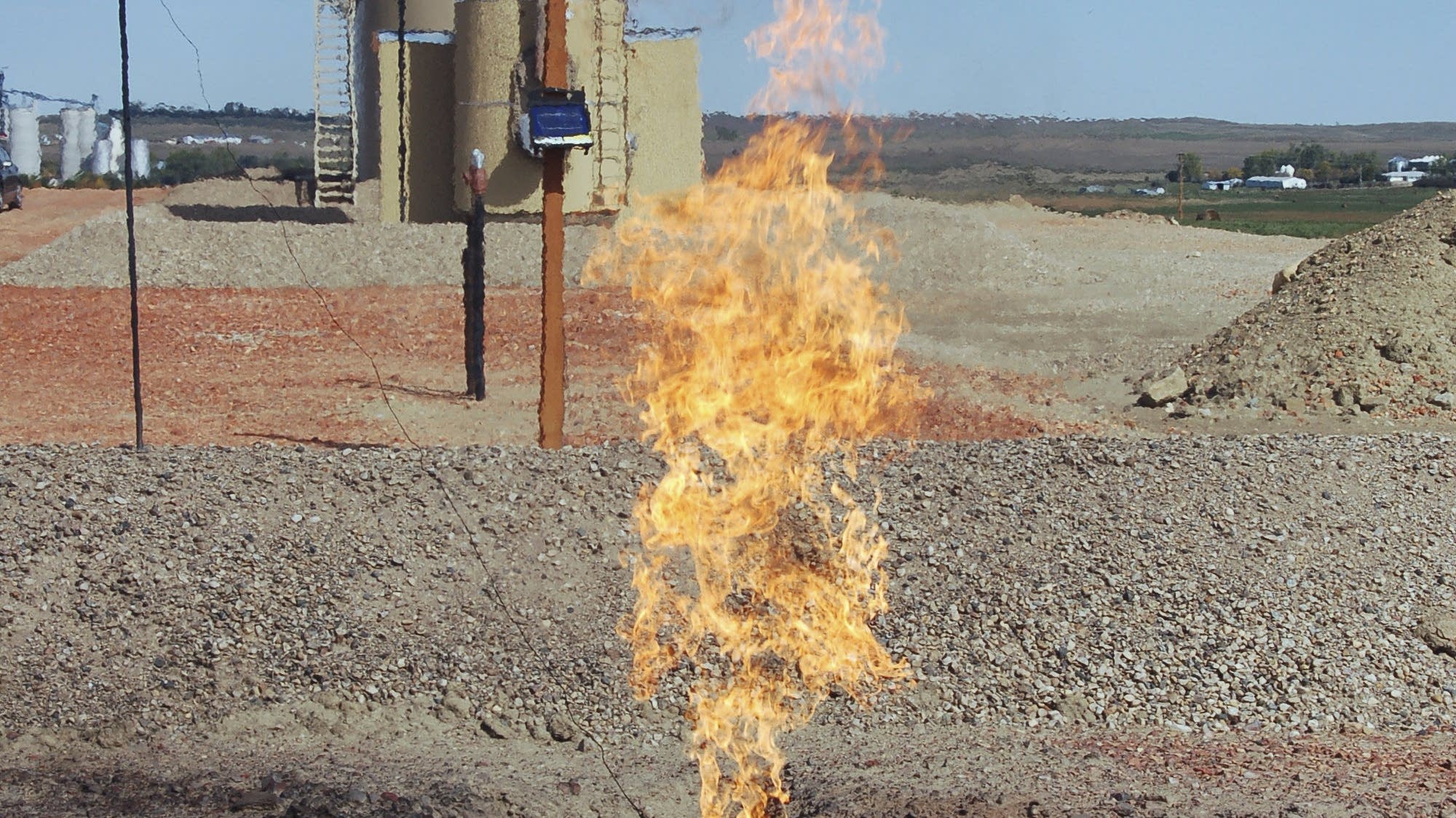
Now, let's talk about natural gas. Picture this: it’s found deep underground, often alongside oil, and is primarily made of methane. When you burn natural gas, it’s a bit like swapping a smoky bonfire for a nice, clean-burning gas grill in your backyard. Way less mess!
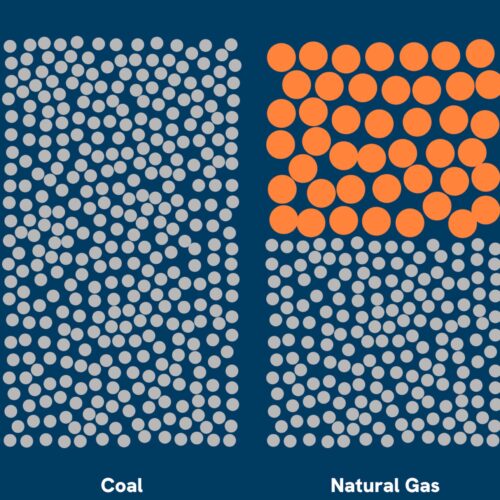
The big win for natural gas is its significantly lower carbon emissions compared to coal. When burned for electricity, natural gas produces roughly half the CO2 of coal. Half! That’s a pretty compelling argument, wouldn't you say? It also releases far fewer conventional pollutants like sulfur dioxide and particulate matter, meaning cleaner air for us to breathe. That’s a huge plus for our health and for keeping our natural landscapes sparkling.
Beyond electricity generation, natural gas is incredibly versatile. It heats our homes, cooks our food, and is a vital feedstock for many industrial processes. It's a fuel that's relatively abundant, and its infrastructure (pipelines, distribution networks) is already well-established in many parts of the world. It’s helping us bridge the gap from a heavily carbon-intensive past to a hopefully, fully renewable future.

But Wait, There's Always a Catch (or a few friendly questions!)
Now, no energy source is a perfect fairy tale, right? Natural gas, while cleaner than coal, isn't without its own challenges. The main one? Methane. Methane itself is a very potent greenhouse gas, much more so than CO2 over a shorter period. If natural gas leaks into the atmosphere (from wells, pipelines, or processing facilities) before it's burned, it can significantly contribute to global warming. So, minimizing leaks is absolutely crucial for natural gas to be a truly beneficial "bridge fuel."
Then there's the method of extraction, especially hydraulic fracturing, or "fracking." While it's unlocked vast reserves of natural gas, it also raises concerns about water usage, potential contamination, and seismic activity in certain areas. It's a complex issue, and finding ways to extract it responsibly and sustainably is key.
Why Does This Even Matter to Your Awesome Life?
You might be thinking, "This is all very interesting, but what does it mean for me?" Well, my friend, it means everything! The energy choices we make today directly impact the air we breathe, the climate our kids will grow up in, and the availability of resources for future innovations.
When you understand the difference between coal and natural gas, you're not just learning facts; you're becoming an informed participant in the grand story of our planet. You can ask smarter questions, support policies that encourage cleaner energy, and even make more conscious choices in your own life. It’s about being empowered, not just entertained!
The Fun Part: Becoming an Energy Explorer!
Who knew understanding molecules and power plants could be so cool? Learning about these energy topics isn't just about saving the planet (though that’s a pretty great perk!). It’s about satisfying your curiosity, understanding the intricate web of modern life, and feeling more connected to the world around you. It turns everyday things, like flipping a light switch, into a moment of wonder and appreciation for the ingenuity that powers it all.
So, is natural gas better than coal? In many ways, yes, it represents a significant step forward, especially in terms of immediate environmental impact. It's like upgrading from an old, smoky car to a much more fuel-efficient model while we wait for the electric car revolution to fully arrive. But it's not the final destination. It's a crucial stepping stone on our journey to a truly sustainable and renewable energy future.
Let's keep asking questions, pushing boundaries, and building a brighter, cleaner, and definitely more fun world together. The journey to understanding our energy future is just beginning, and there's so much more to learn and discover. So, stay curious, keep exploring, and let your inner energy enthusiast shine!