
Is Natural Gas A Fossil Fuel
Ever flicked on your stove, watched a blue flame dance, and thought, "Hmm, where does this magic come from?" Or maybe you’ve snuggled up on a chilly evening, feeling the warmth of your heater, and wondered about the invisible energy flowing through your pipes. That, my friends, is often natural gas, the unsung hero of many cozy homes. But here's a question that might pop up during a lazy Sunday scroll: Is natural gas a fossil fuel?
Let's peel back the layers of this mystery, not with a dusty textbook, but with a friendly chat, a dash of curiosity, and maybe a chuckle or two. The short, sweet, and simple answer is a resounding yes, natural gas is absolutely a fossil fuel.
What Even IS Natural Gas, Anyway?
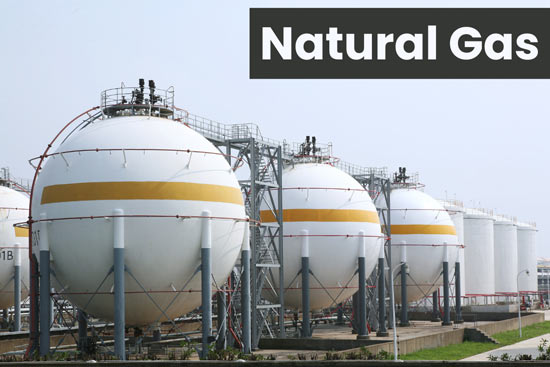
Before we get into its "fossil" status, let's get acquainted with our pal, natural gas. Think of it as a super-efficient, super-clean-burning (compared to some other things, anyway) energy source. It’s mostly methane, a gas that loves to light up and warm things. It’s what powers many of our ovens, keeps our water toasty, and even generates a good chunk of our electricity. It’s like the reliable, quiet friend who always shows up to help.
Must Read
Imagine it as a giant, underground balloon of energy, just waiting for us to tap into it. But how did that balloon get there? And why is it called a "fossil" fuel? Grab a cup of tea, because this is where the story gets really old – like, millions-of-years-old old.
"Fossil Fuel" - What's in a Name?
The term "fossil fuel" might conjure images of dinosaur bones or ancient ferns pressed into rocks, and you're actually not far off! It literally means fuel that comes from fossils. But not the kind you find in a museum. We're talking about the remains of ancient plants and animals that lived millions and millions of years ago.

Picture a world teeming with lush forests, swampy wetlands, and oceans full of tiny sea creatures. When these organisms died, they didn't just vanish. Instead, they sank to the bottom of seas or got buried under layers of mud and sediment. Over eons, layer upon layer piled up, creating immense heat and pressure. This incredible pressure cooker slowly, painstakingly, transformed those ancient organic bits into the rich energy sources we now call fossil fuels.
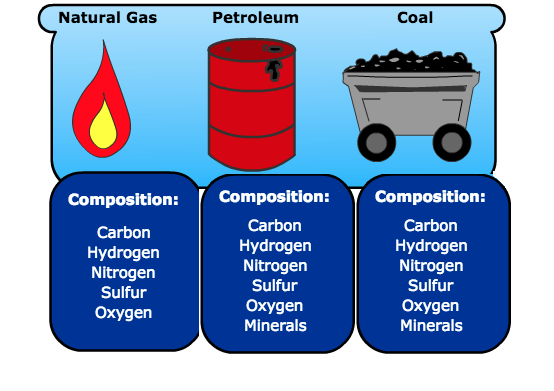
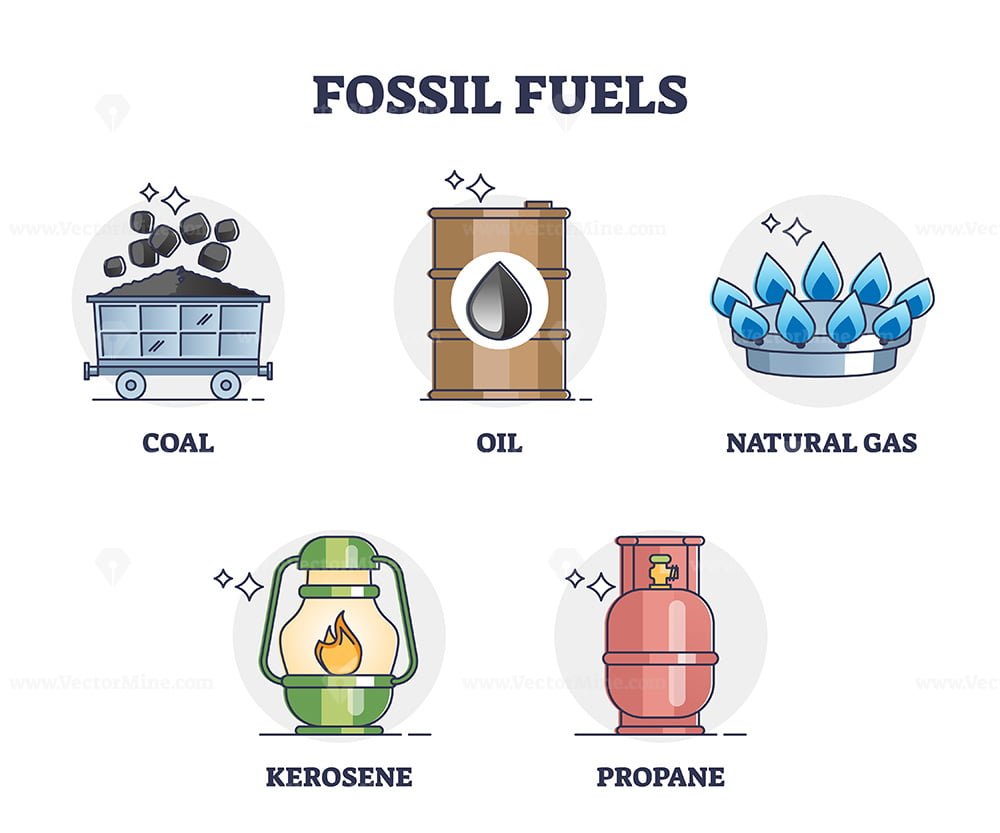
So, natural gas is in the same ancient club as coal and oil. They're all the Earth's way of storing sunshine and life from a truly bygone era. It's like finding a secret stash of energy left behind by our planet's earliest inhabitants. Pretty cool, right?
The Incredible Journey: From Swamp to Stove
Let's take a quick mental field trip. Imagine a massive, prehistoric swamp. Giant ferns, peculiar bugs, maybe a few early amphibians splashing about. When these plants and critters kicked the bucket (in a natural, ecological way, of course!), they settled into the mucky soil. More mud, sand, and water covered them. Then more layers, and more layers, for literally millions of years.
It's like making a super slow, super compressed layer cake. Each layer of sediment pressed down on the one below, and the heat from deep within the Earth cooked it all gently. Over geological timescales, those ancient organic materials didn't just decompose; they chemically transformed. For natural gas, this process created pockets of methane gas trapped deep within the Earth's crust. So, when you light your stove, you're essentially igniting the compressed essence of an ancient ecosystem! Talk about history on a plate!
Why Should We Care About This Old News?
Okay, so it’s old. It’s natural. It comes from fossils. Big deal, right? Well, actually, it is a pretty big deal, and here’s why understanding this tidbit of geology matters to our everyday lives:
1. It's a Limited Edition
Unlike sunshine or wind, which keep coming back, natural gas (and all fossil fuels) are finite. We're talking about energy that took millions of years to form. We're using it up in mere decades or centuries. It’s like having a delicious, homemade cookie jar – once those cookies are gone, you can’t just snap your fingers and get more from the same batch. Understanding this helps us appreciate the resource and think about how we can conserve it or find alternatives.
2. It Has a Carbon Footprint (Even if it Looks Clean)
When you burn natural gas, it releases carbon dioxide (CO2) into the atmosphere. You can't see it, but it's there. CO2 is a greenhouse gas, and too much of it can act like a blanket around our planet, trapping heat. This leads to climate change, which affects everything from our weather patterns (hello, crazy storms!) to how much food our farmers can grow. While natural gas burns cleaner than coal or oil, it's still a significant contributor.

Knowing this helps us understand why we hear so much about "renewable energy" like solar and wind. They don't have that ancient carbon stored up, waiting to be released.
3. It Shapes Our Energy Future
Because natural gas is such a prevalent energy source, how we choose to use it, find it, and eventually transition away from it has huge implications for our economy, our health, and the planet our kids and grandkids will inherit. Understanding its origins as a fossil fuel helps us make informed decisions about our energy policies, our household choices, and even what kind of appliances we buy.
So, the next time you see that friendly blue flame, remember its incredible journey from an ancient swamp to your kitchen. It’s a powerful, convenient energy source, born of millions of years of Earth's slow, powerful processes. And knowing its story, as a true fossil fuel, gives us a little more insight into the big picture of our planet and our shared future.