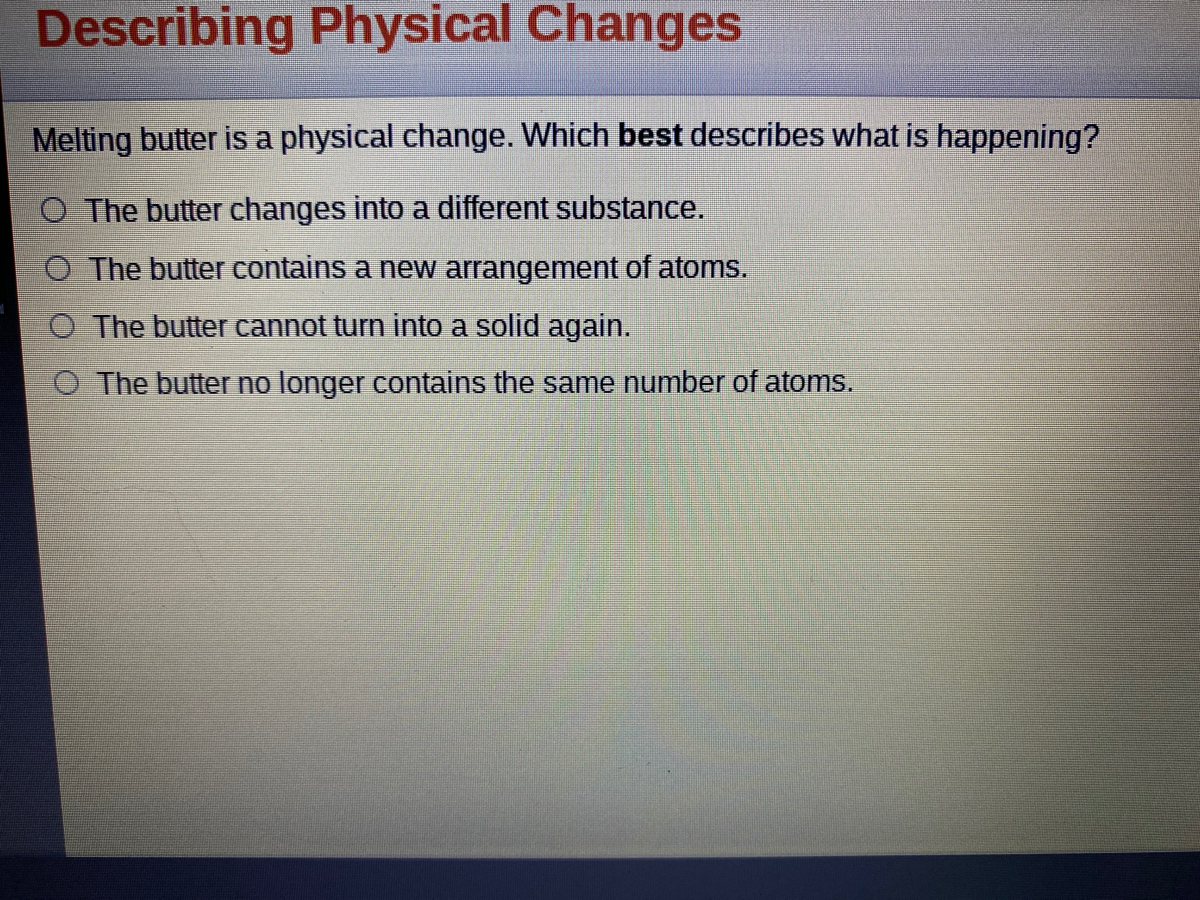
Is Melting Butter A Physical Change
Okay, gather 'round, butter enthusiasts! Let's settle a debate that's plagued kitchens for centuries, possibly. Maybe just since the invention of refrigerators. But hey, it feels like centuries. Is melting butter a physical change? Or is it some kind of butter-alchemy, a secret transformation worthy of Merlin himself?
Picture this: You’re me, trying to make cookies. Chocolate chip, obviously. The world needs more chocolate chip cookies. I pull out the butter, rock-solid as a miniature butter-flavored glacier. So, I do what any sane person does: nuke it in the microwave. Cue the sparks, the hissing, and a sudden, molten butter explosion that coats the inside like a golden, greasy Jackson Pollock painting. Fun times!
But amidst the buttery chaos, a question arises: What just happened back there in that microwave? Did I fundamentally alter the nature of butter? Did I… mutate it?
Must Read
Well, fear not, my culinary comrades! The answer, thankfully, is no. Your butter is still butter. It’s just… butter in a different state of being. Like a grumpy teenager who's transformed into a slightly less grumpy teenager because you offered them pizza. Same teenager, different level of chill.
The Physical Change Lowdown
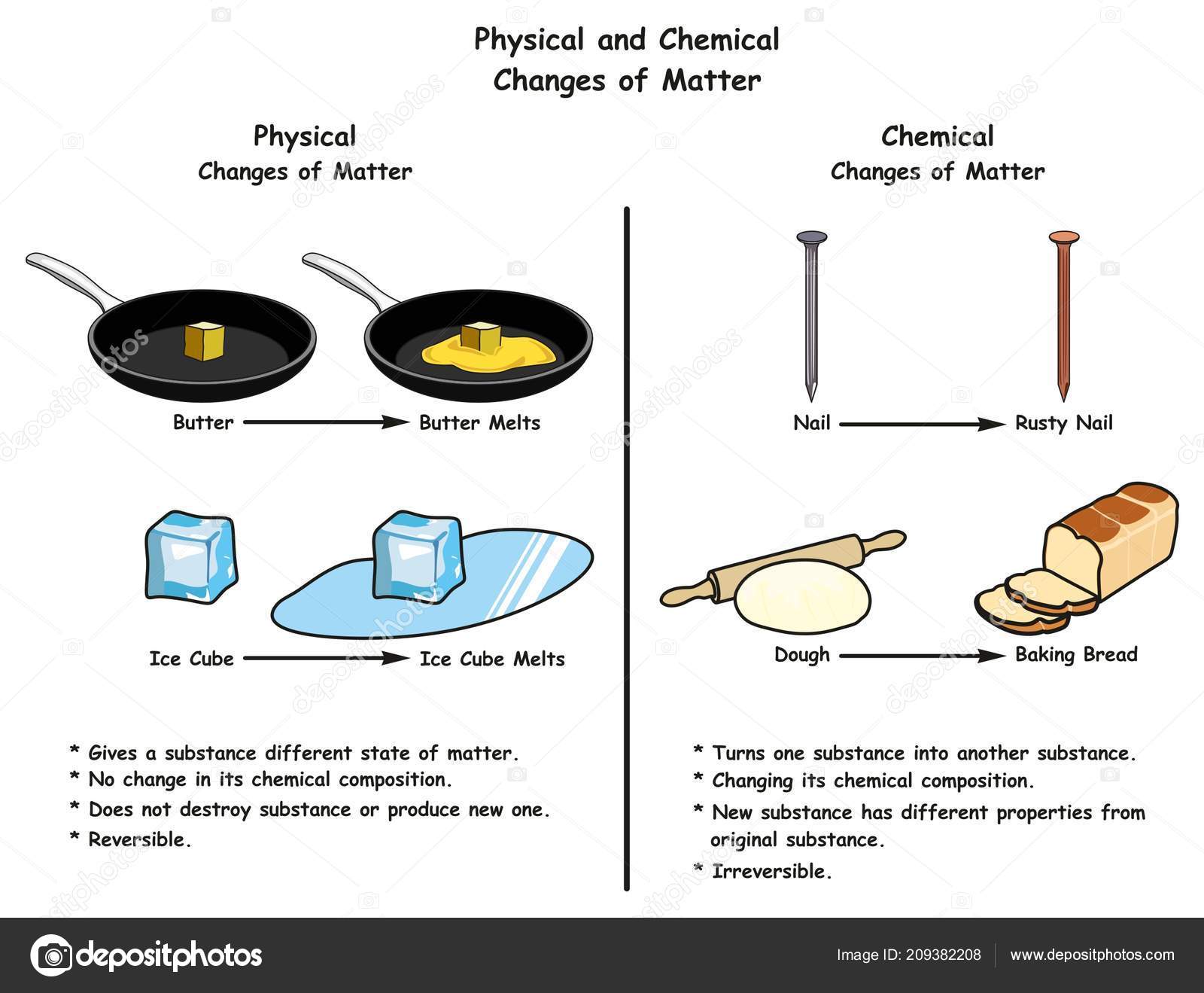
Here’s the deal. A physical change is when a substance changes its appearance, but not its chemical makeup. Think of it like this: You can crumple a piece of paper, and it’s still paper. You can chop wood, and it's still wood. You can even dye your hair blue (don’t ask), and you're still you, just… bluer.
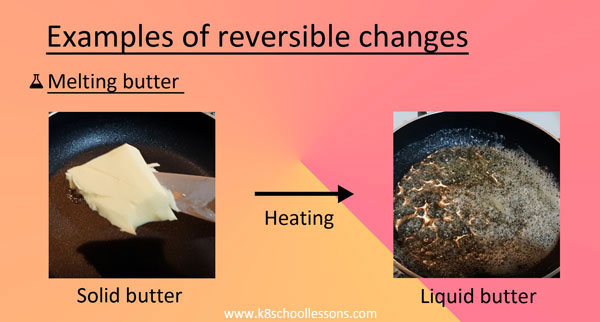
Melting butter is the same principle. You’re taking solid butter (a glorious block of dairy goodness) and adding heat. This heat gives the butter molecules a little energy boost, like a shot of espresso for tiny butter people. They start wiggling and jiggling with such enthusiasm that they break free from their rigid, orderly formation and become a slippery, melty puddle.
But the butter molecules themselves? They’re still the same butter molecules they always were. They haven't magically turned into, say, olive oil or, heaven forbid, margarine. (Shudders). That would be a chemical change, a whole different ball game involving rearranging atoms and creating entirely new substances. We're talking fireworks, explosions (hopefully not in your microwave again), and possibly a Nobel Prize… if you’re changing something more interesting than butter.

Melting Point Mayhem!
Here's a fun fact to impress your friends at the next butter-themed party (yes, those exist): Butter doesn't have a single, precise melting point. Instead, it has a melting range. This is because butter is a complex mixture of different fats, each with its own unique melting temperature. Some fats melt sooner, others later. This is why you might see a slightly oily layer forming on your butter even before the whole thing turns to liquid.
Think of it like a choir where some singers are eager to start belting out the high notes while others are still clearing their throats and tuning their instruments. It’s a process, not an instant switch.
.jpg)
Reversible Reactions & Butter (The Dream Team!)
Another key sign of a physical change is that it's usually reversible. You can melt butter, and then you can cool it down and solidify it again. Voila! Back to a block of dairy delight. Try reversing a chemical change like burning wood. Good luck turning that pile of ash back into a tree. I mean, you could try, but I recommend just planting a new one instead. It’s less messy.
So, next time you melt butter, remember: You're not performing some sort of kitchen sorcery. You're simply applying heat, and the butter is responding by changing its state, not its essence. It's a beautiful, delicious example of a physical change in action.
Now, if you'll excuse me, I have some chocolate chip cookies to make. And a microwave to clean. Wish me luck!