
Is Malleable A Physical Or Chemical Property

Hey everyone, ever wondered about those tricky science terms that seem to pop up everywhere? Today, let's dive into one that might have you scratching your head: malleability. Is it a physical property? Or does it hint at some crazy chemical reaction? Grab a comfy seat; we're about to find out!
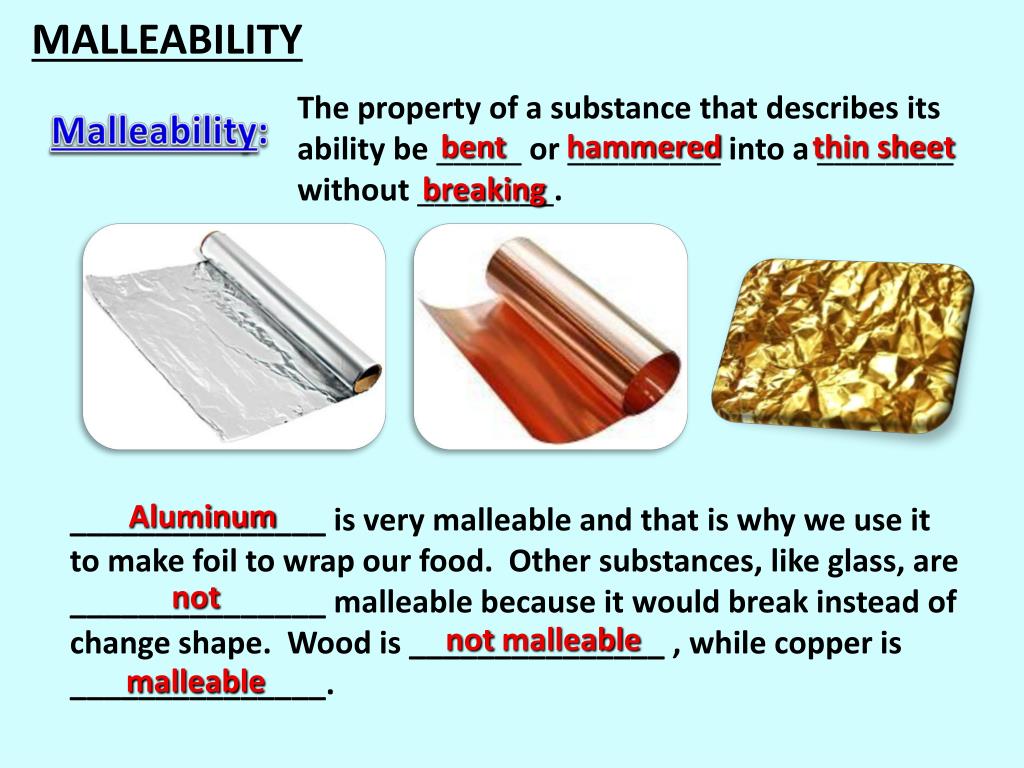
So, what exactly is malleability? Simply put, it's a substance's ability to be hammered or rolled into thin sheets without breaking. Think of a blacksmith pounding away at hot iron, shaping it into armor. Or imagine rolling out cookie dough – that's essentially malleability in action, right?
But why is this so cool? Well, think about the possibilities! Malleability allows us to create all sorts of things, from shiny aluminum foil in your kitchen to the intricate gold leaf adorning ancient buildings. Pretty neat, huh?
Must Read
Physical vs. Chemical: The Great Debate
Okay, now for the big question: is malleability a physical or chemical property? To answer this, we need to understand the difference between the two.
Physical properties are characteristics we can observe or measure without changing the substance's chemical composition. Think of things like color, density, melting point, and, yes, malleability!
Chemical properties, on the other hand, describe how a substance interacts with other substances, often resulting in a new substance being formed. Rusting iron or burning wood are classic examples of chemical changes. You're changing the very makeup of the thing you're looking at!

So, where does that leave malleability? Think about it: when you hammer gold into a thin sheet, are you changing its fundamental nature? Is it suddenly not gold anymore? Nope! It's still gold, just in a different shape. The gold atoms are just rearranged (a bit, on a very small scale!). The fact that gold can be formed and hammered into different shapes without any chemical reaction shows it's a physical property.
Malleability, therefore, is definitely a physical property.
Why Does It Matter?
Why should we even care whether malleability is physical or chemical? Well, understanding these distinctions is fundamental to understanding how materials behave. It helps us predict how they'll react under different conditions and allows us to design and build amazing things!

Imagine trying to build a car engine out of a material that couldn't be molded or shaped. Or trying to create electrical wires from something that shattered when you tried to bend it. Understanding malleability is crucial for engineers, designers, and even cooks!
Think about it like this: knowing that Play-Doh is malleable allows you (or your kids!) to create countless shapes and figures. Knowing that chocolate is malleable (especially when heated) allows chocolatiers to create intricate and delicious masterpieces.
The Malleability All-Stars
Some materials are naturally more malleable than others. Gold, for instance, is famously malleable. You can hammer it into incredibly thin sheets, so thin that light can actually pass through it!
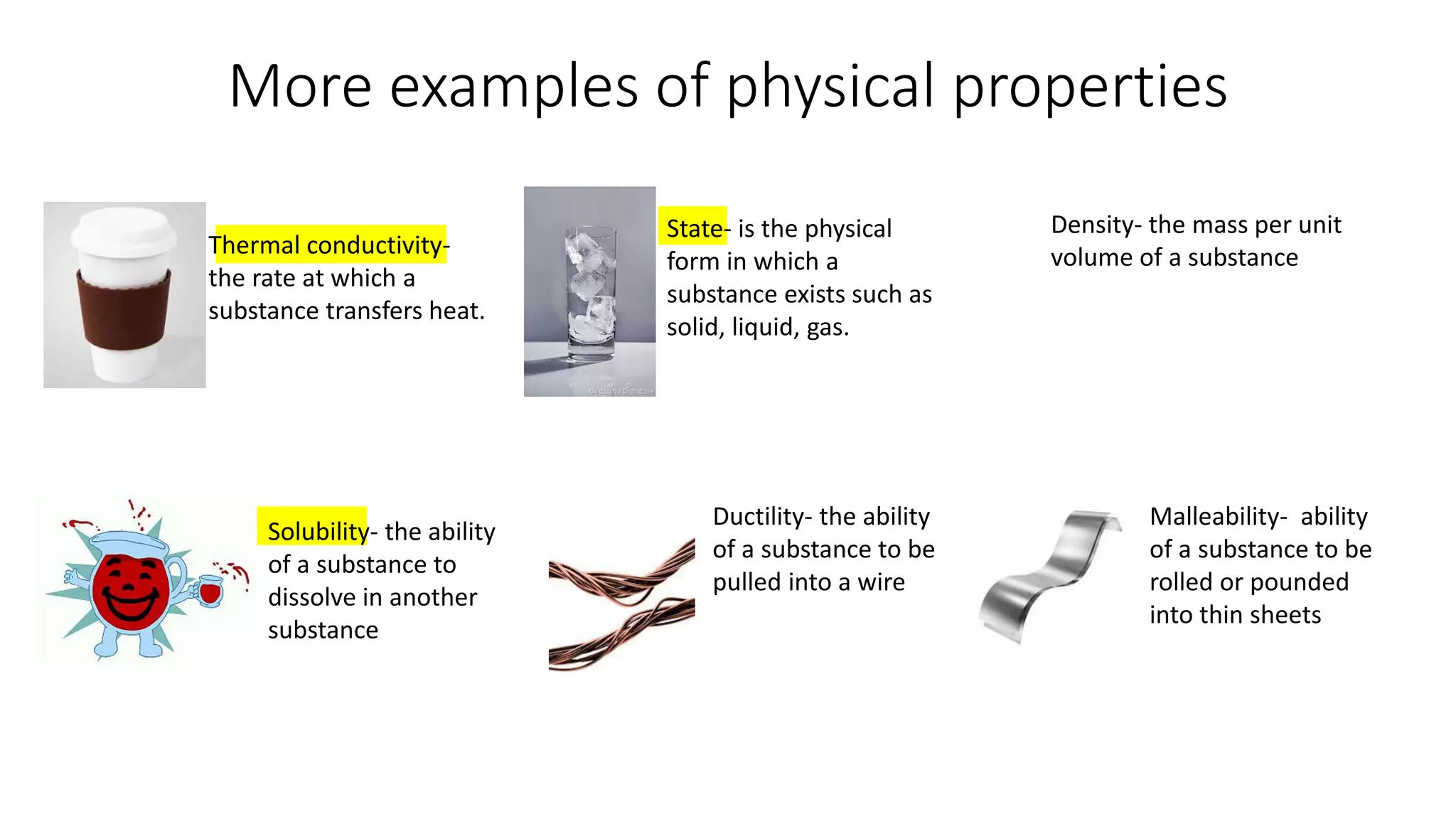
Other malleable champs include silver, aluminum, copper, and lead. These materials are widely used in various industries because of their ability to be easily shaped and formed.
But what makes a material malleable? The answer lies in the arrangement of its atoms. Malleable materials typically have a metallic structure, where atoms are arranged in layers that can slide past each other relatively easily. It’s like a stack of pancakes – they can shift around without breaking apart, right?
Malleability in Everyday Life
You'd be surprised how often you encounter malleability in your daily life! From the aluminum foil you use to wrap leftovers to the copper wires powering your home, malleable materials are essential to modern society.
Consider the construction industry. Steel beams are shaped and molded into specific forms to support buildings and bridges. Or think about the automotive industry, where car bodies are often made from malleable metals like aluminum and steel.
Even the jewelry you wear owes its existence to malleability. Gold and silver are shaped into intricate designs, creating beautiful and lasting pieces.
So, Are We Clear?
Hopefully, this has cleared up any confusion about malleability. It's a physical property, and it's a pretty darn cool one at that! It allows us to shape and mold materials into countless forms, creating everything from everyday objects to incredible works of art.
Next time you see something that's been beautifully shaped or intricately designed, take a moment to appreciate the power of malleability. It's a testament to the amazing properties of the materials around us and the ingenuity of the humans who work with them. Keep exploring, keep questioning, and keep learning!