
Is Lead Solid Liquid Or Gas
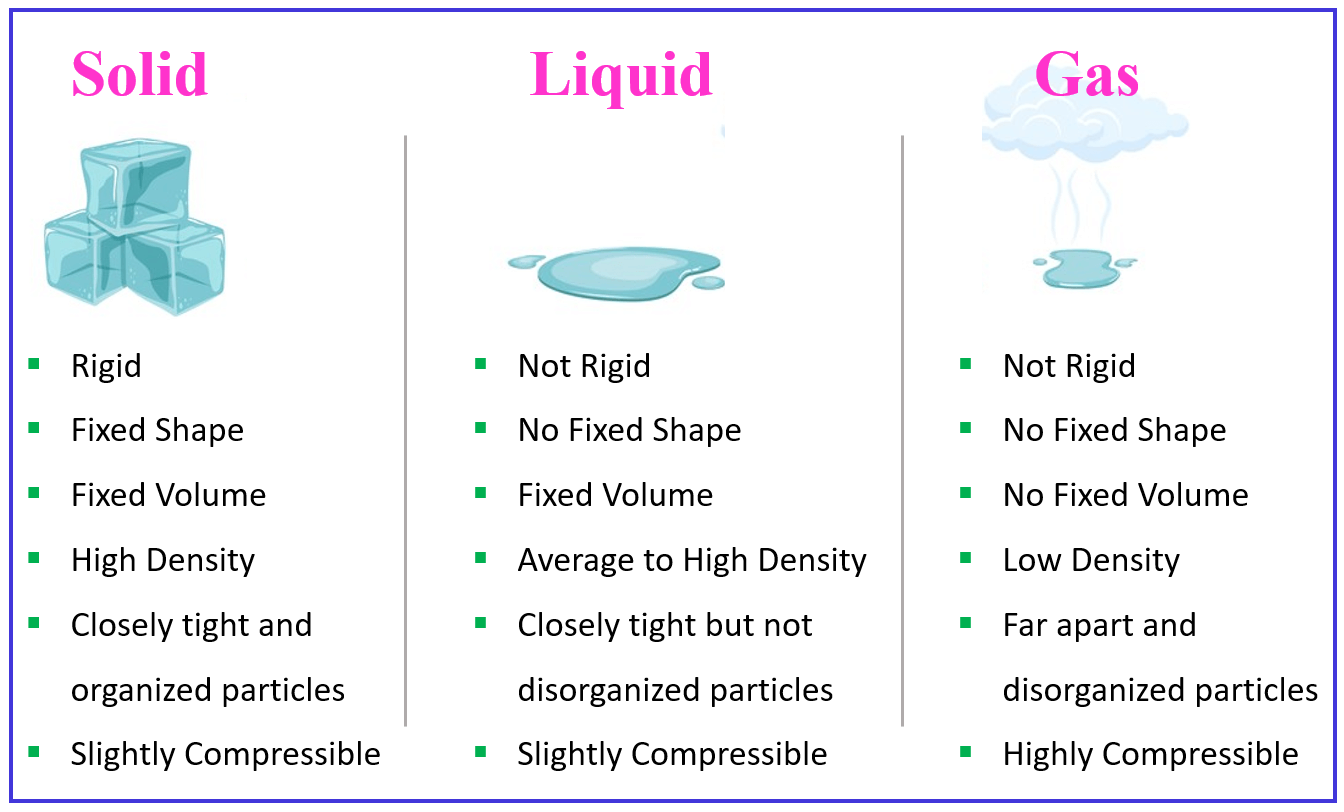
Let's Talk About Lead: Is It Always So... Stubbornly Solid?
Ah, lead. Just the name conjures images of something heavy, dull, and utterly, unequivocally solid.
We're talking about the stuff of old pipes, fishing weights, and perhaps the occasional artistic sculpture.
It sits there, being dense, being grey, being completely un-fussy about its state of being.
Must Read
Our Everyday Encounter with Solid Lead
If you've ever held a piece of lead, you know its signature move.
It just... sits there. Heavy. Unyielding. Very, very solid.
It's the anchor in the world of elements, perfectly content to be exactly what it is.
You wouldn't expect your fishing sinker to suddenly start oozing or floating away, would you?
That would be quite the fishing trip surprise, not to mention a rather ineffective sinker.
"Lead just is. It doesn't ask for much, but it gives you consistent, unwavering solidity."
It's the quiet achiever of the metal world, always reliable in its commitment to being a solid.
From ancient Roman plumbing to the brave little weights balancing your car tires, lead performs its duty with stoic grace.
It’s a testament to its steadfast nature, always keeping things grounded, quite literally.
We see it in construction, in protective barriers, and even in some forms of historical art.
Everywhere you look, lead is playing the long game, maintaining its solid form.
It doesn't bubble, it doesn't flow, it just... holds its shape with unwavering resolve.

This unwavering characteristic is precisely why we trust it in so many applications.
Imagine if our protective vests suddenly became gooey. Not ideal!
But What If We Get a Little... Warm? Enter Liquid Lead!
Now, let's flirt with the idea of lead doing something truly out of character.
What if we introduced some serious heat? And by serious, I mean serious.
We're talking about temperatures way beyond your oven's capabilities or even a roaring campfire.
Suddenly, our dependable, stubborn solid lead starts to get a little… shimmery.
It melts! Yes, even lead, in a blaze of glory, can transform into a liquid.
Imagine a pool of molten silver, glowing with an internal heat.
It would be mesmerizing, dangerous, and completely unlike its usual self.
This isn't something you'd encounter stirring your morning coffee, thankfully.
No, transforming lead into a liquid requires industrial-level temperatures and serious expertise.
Think about workshops where people cast bullets or create intricate metal designs.
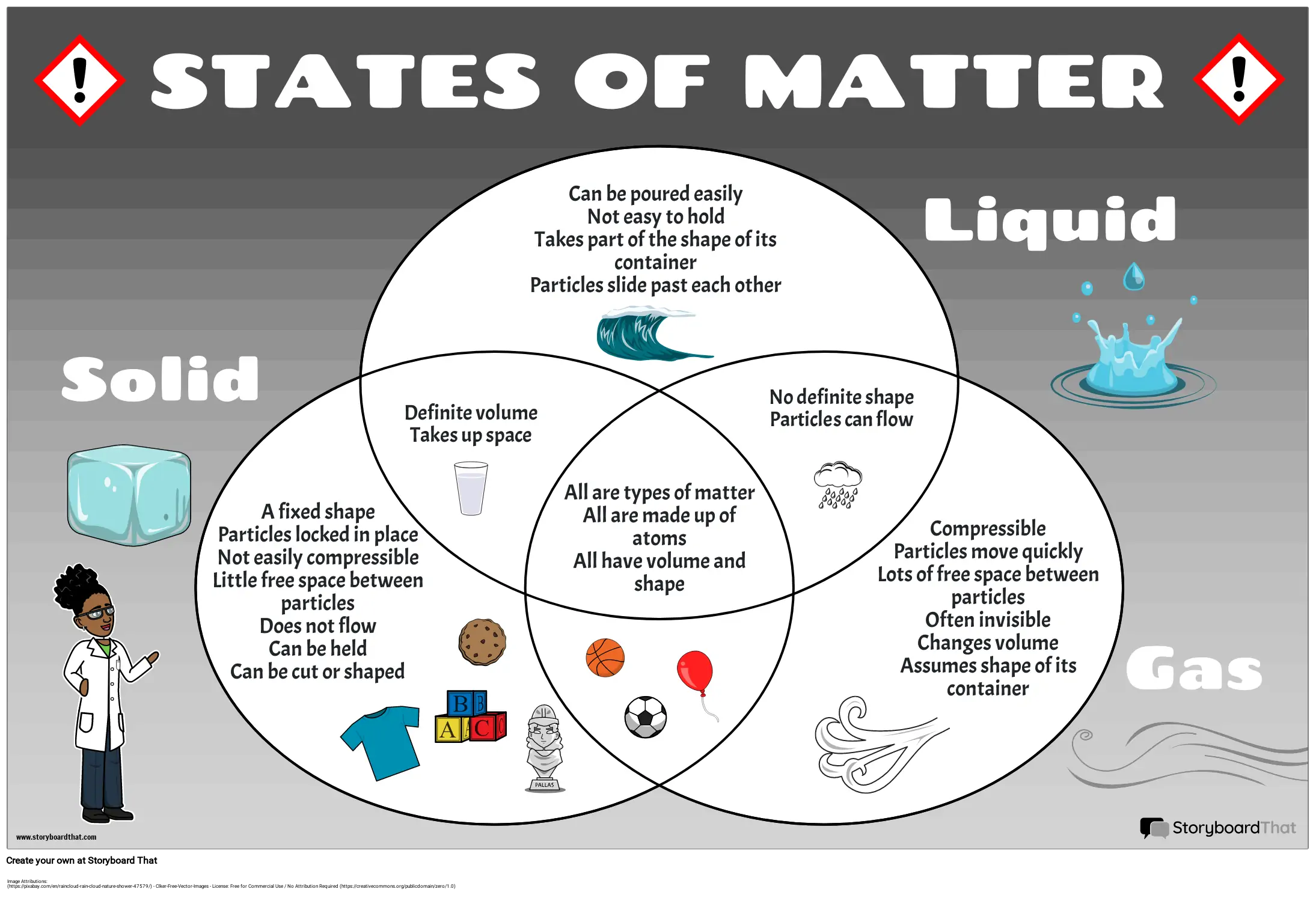
There, lead sheds its rigid exterior and flows like a heavy, luminous river.
It pours into molds, taking on new shapes with a glistening, almost magical quality.
It’s a dramatic transformation, from an unyielding block to a fluid, albeit incredibly dense, stream.
So, while your brain might scream "solid!" at the mention of lead, know that a secret liquid life lurks within, waiting for its moment in the extreme heat spotlight.
It's like seeing your grumpy grandpa suddenly break into a flawless moonwalk – unexpected, impressive, and a little bit alarming.
This liquid state is temporary, though, as it quickly returns to its solid comfort zone once the heat dissipates.
It’s a brief, fiery dalliance with fluidity before settling back into its usual, dependable self.
"When enough heat is applied, even the most steadfast elements have their fluid moments."
And Then There's... Gaseous Lead? Really?
Now, this is where things get truly wild. Hold onto your hats, because we're venturing into the realm of the truly unimaginable for most of us.
Could lead become a gas? Like, floaty air? Like steam from a kettle?
Scientifically, yes. In practice, for almost every single human on Earth, absolutely not.
To turn lead into a gas, you'd need temperatures that make "really, really hot" sound like a cool breeze.

We're talking about an inferno so intense, it would make the sun feel a little chilly.
The boiling point of lead is astronomically high, making it a state almost entirely confined to laboratories or industrial processes with extreme conditions.
You will absolutely, positively, never accidentally boil a pot of lead vapor on your kitchen stove.
Unless your kitchen stove is powered by a small star, perhaps.
The idea of gaseous lead seems almost absurd when we picture its heavy, inert nature.
It’s like imagining a bowling ball suddenly wafting away like a dandelion seed.
This vaporous form is incredibly rare and, frankly, quite dangerous, which is another reason we don't encounter it.
So, while theoretically possible, practically, for our everyday understanding, lead as a gas is firmly in the "don't even think about it" category.
It's the ultimate extreme makeover for a metal, transforming it into something invisible and entirely ephemeral.
It reminds us that the universe holds many surprises, even for seemingly simple, everyday elements.
But rest assured, your fishing weights are not going to evaporate anytime soon.
The notion itself is a fun, mind-bending thought experiment, stretching the limits of what we perceive as possible.
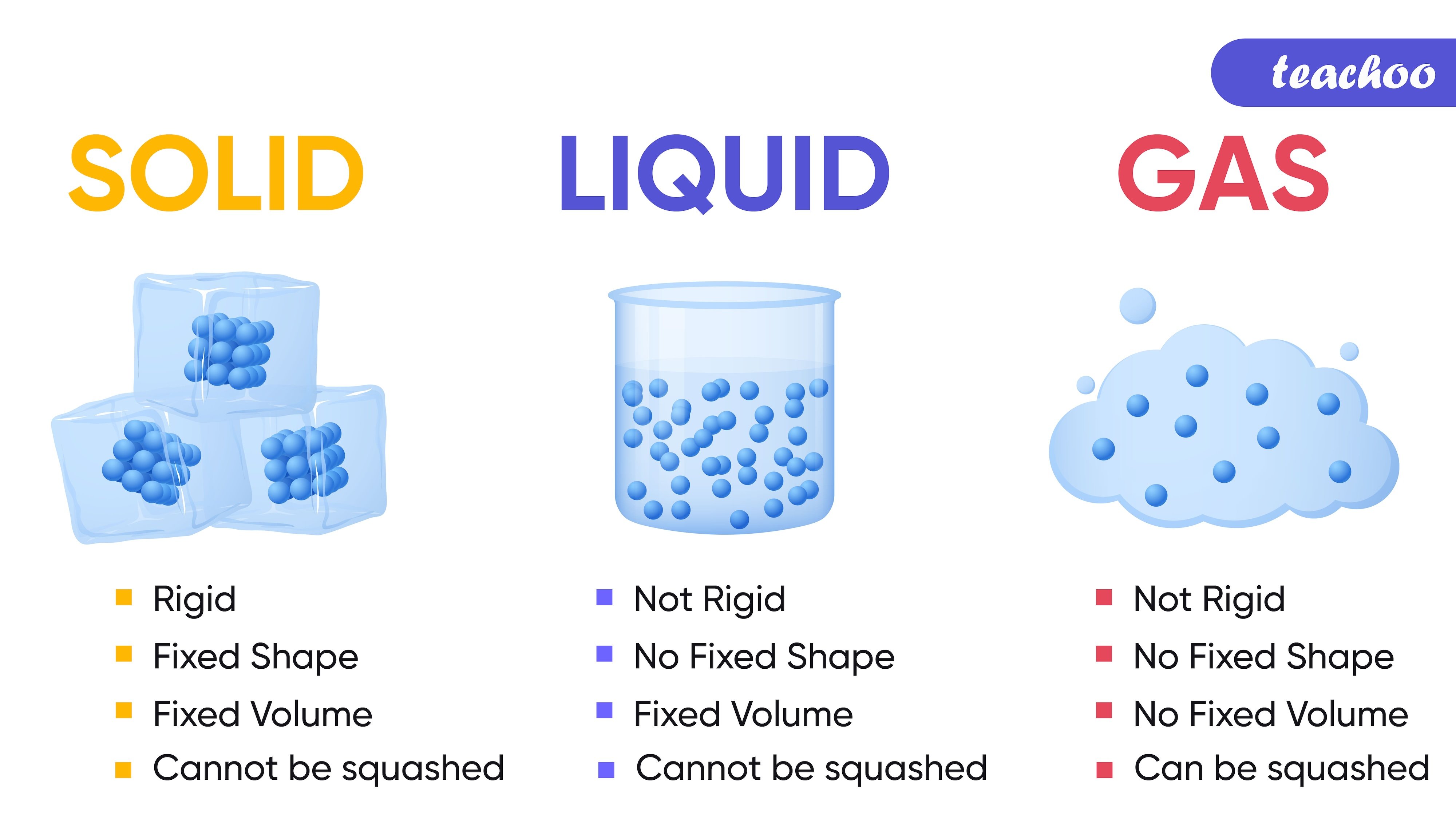
"Gaseous lead: the party trick lead performs only for the most extreme and exclusive audiences."
The Unpopular Opinion You Secretly Agree With
So, we've explored the wild side of lead: its fluid dreams and its gaseous aspirations.
But let's be honest with ourselves, shall we?
For 99.9999% of the time, in 99.9999% of places, lead is utterly and completely solid.
It's its superpower. It's its comfort zone. It's why we know and trust it.
Yes, science says it can be a liquid. Yes, science even whispers about it being a gas.
But in the grand scheme of your daily life, your interaction with lead will always involve it being impressively, stubbornly solid.
And that's okay! There's comfort in consistency, especially from a material as dependable as lead.
So, go ahead and nod. Give a little wink. Secretly agree with me.
For all practical, sensible, and non-magical purposes, lead is solid.
And it's quite good at it, too.
Let's celebrate its steadfastness, its refusal to budge, its unwavering commitment to being exactly what we expect it to be.
Long live the wonderfully, reliably solid nature of lead.