Ever wondered about the stretchy, bouncy world around us? From balloons at a birthday party to the tires on your car, these materials seem to pop up everywhere. You might hear people talk about latex and rubber almost interchangeably, as if they're one and the same.
But hold on a minute! Is that really true? Prepare for a little reveal that might just make you look at your rubber ducky or your dishwashing gloves in a whole new light. It's a tale of trees, milky secrets, and some amazing transformations.
The Milky Beginning: What is Latex?
Imagine wandering through a lush, tropical forest. You spot a special kind of tree, perhaps one called the Hevea brasiliensis, also known as the rubber tree. If you gently tap its bark, something truly magical happens.
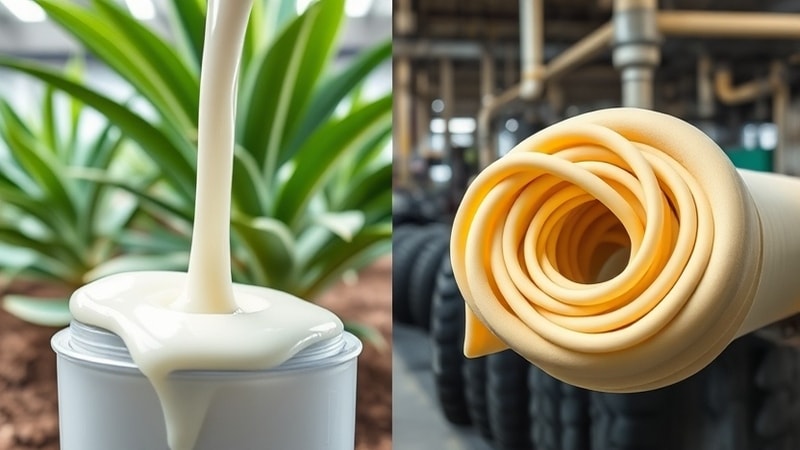
A white, milky liquid starts to ooze out, much like sap from a maple tree. This wondrous fluid is what we call latex. It's truly a gift from nature, a complex mix of water, proteins, and tiny rubber particles all suspended together.
So, when we talk about natural latex, we're talking about this milky sap, straight from the tree. It’s the raw, unrefined starting point for many fantastic things we use every single day.
Latex is the milky sap, a liquid treasure from the rubber tree.
From Sap to Stretch: The Birth of Rubber
Now, how does this watery sap become the strong, stretchy material we know and love? It needs a little help from us! Think of it like baking a cake – you start with liquid batter, but after some heat, you get a solid, delicious treat.
The Difference Between Nitrile Rubber and NBR Latex | by Haozechem | Medium
The milky latex from the tree goes through a special process. It's treated to remove water and then cured, often with heat and other ingredients, to transform it. This magical change links all those tiny rubber particles together, making a strong, elastic network.
And just like that, the liquid latex is no more. What emerges is rubber! This processed material is much more durable, flexible, and resistant to wear and tear than the raw sap.
So, here’s the big reveal: latex is the raw material, and rubber is the finished product! It’s like flour being the ingredient, and bread being the delicious outcome. You can’t have the bread without the flour, but they aren't exactly the same thing.
Not All Rubber Comes from Trees!
This is where our story gets even more interesting and a little bit surprising. While we just talked about natural rubber, which comes from natural latex, there’s another huge family of rubber out there. We call it synthetic rubber.
Difference in stretch from natural latex rubber vs synthetic latex
Think of synthetic rubber as a brilliant invention from human ingenuity. Scientists figured out how to create rubber-like materials from petroleum, right in a lab! These versions can be engineered for very specific jobs.
For example, the tough rubber in your car tires is usually synthetic rubber, designed to withstand extreme conditions. The waterproof seals in your refrigerator or washing machine often rely on these clever man-made versions.
So, while all natural rubber starts as latex, not all rubber originates from a tree. This distinction is really important, especially for some folks!
The Allergy Angle: A Crucial Difference
You’ve probably heard of a "latex allergy," right? This is where the distinction between natural latex and synthetic rubber becomes truly vital. A latex allergy specifically refers to an allergic reaction to the proteins found in natural rubber latex.
Difference Between Latex And Rubber Gloves at Andres Lowe blog
These proteins, which are present in the milky tree sap, can cause discomfort for some individuals. For them, touching balloons, certain gloves, or elastic bands made from natural rubber latex can trigger a reaction, sometimes quite serious.
However, products made from synthetic rubber typically do not contain these natural proteins. This means that if you have a latex allergy, you can usually still enjoy products made from synthetic rubber without worry.
This is a heartwarming example of how science helps us live better. By understanding the difference, manufacturers can create safe alternatives, ensuring everyone can participate in the fun and function that rubber provides.
Understanding the difference between natural latex and synthetic rubber is key, especially for those with allergies.
Latex vs Rubber Gloves: Differences and How to Choose
Everyday Heroes: Where You Find Them
Let’s look around and appreciate where these amazing materials show up in our lives!
Natural Rubber Latex Heroes:
Balloons: The quintessential party starter! Their stretchy bounce comes from natural rubber latex.
Rubber Bands: Those handy little helpers that keep things together.
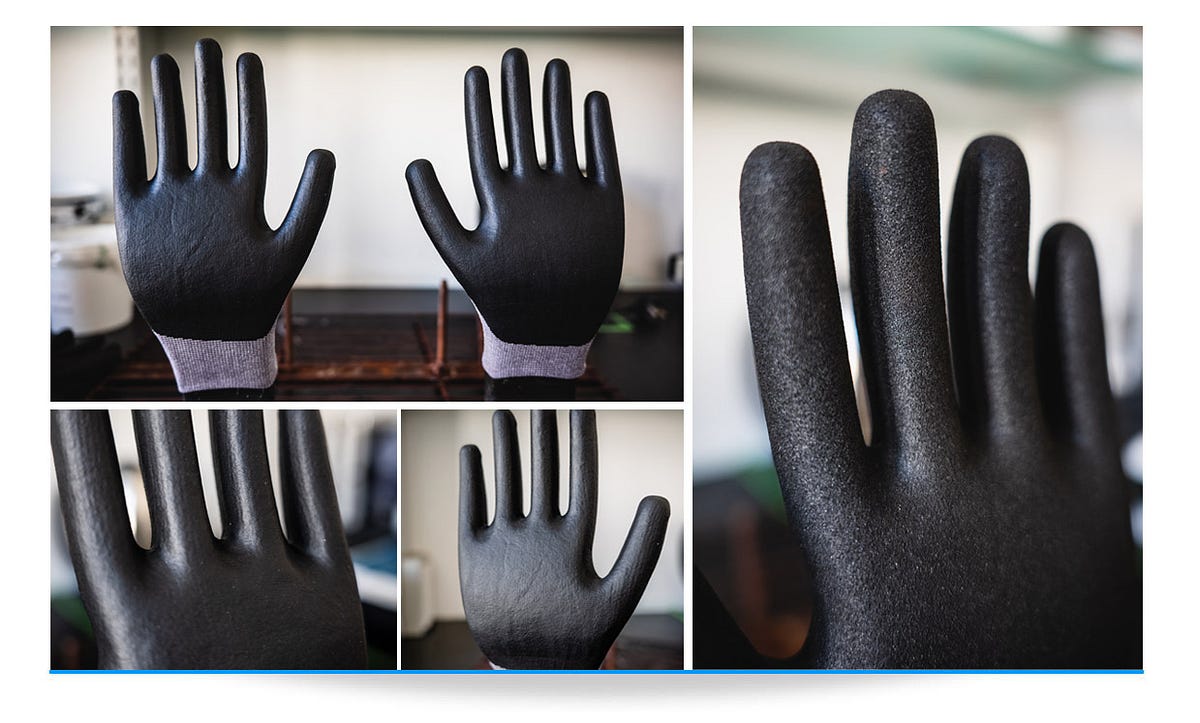
Some Gloves: Many medical and household gloves, known for their flexibility, are made from natural latex.
Pacifiers and Baby Bottle Nipples: Often chosen for their soft, flexible feel, though synthetic alternatives are also common.
Synthetic Rubber Heroes:
Car Tires: Engineered for grip, durability, and resistance to extreme temperatures.
Shoe Soles: Providing comfort, cushioning, and long-lasting wear.
Wetsuits: Keeping divers warm and agile in cold waters.
Door and Window Seals: Blocking out drafts and moisture in our homes and cars.
Both kinds of rubber, born from either a tree's embrace or a scientist's clever mind, play indispensable roles. They bring joy, ensure safety, and add comfort to countless aspects of our daily existence.
A Journey of Wonder
So, the next time you see a bouncy ball or inflate a colorful balloon, remember the amazing journey. From a milky liquid dripping from a tropical tree, or from clever chemical concoctions in a factory, come these incredibly versatile materials.
You now know that latex is the beginning – the raw, milky sap. And rubber is the end result – the strong, stretchy material we use in so many ways. They are intimately related but distinctly different in their forms.
It’s a fun little secret to share, a reminder that even the simplest things around us often have surprising stories. And isn’t it wonderful to appreciate the hidden wonders of the world, one stretchy, bouncy fact at a time?