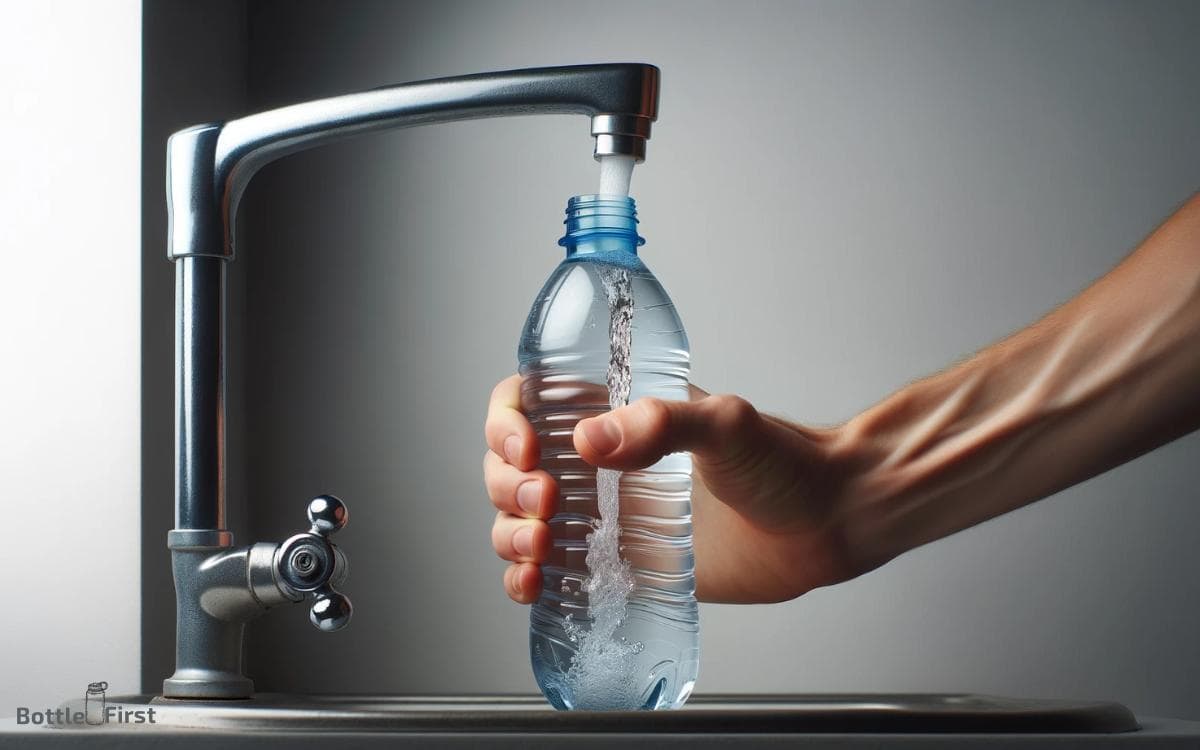
Is It Safe To Refill Plastic Bottles With Water

Ever find yourself staring at that empty water bottle, debating whether to refill it for the fifth time? We've all been there! It's convenient, saves money (and the planet, a little!), but a nagging question always lingers: is it actually safe? Refilling plastic water bottles is a common practice, and understanding the potential risks and rewards is key to staying hydrated and healthy. Let's dive into the world of reusable bottles and see what's what.
The purpose of refilling a plastic water bottle is pretty straightforward: to have readily available water without constantly buying new bottles. The benefits are numerous. Think about it: fewer trips to the store, less plastic ending up in landfills (even if you recycle!), and a lighter load on your wallet. Plus, having water readily available encourages better hydration, and that's always a win! Staying hydrated helps everything from your skin to your energy levels.
Now, for the not-so-fun part: potential risks. The biggest concern is bacterial growth. Every time you drink from a bottle, you introduce bacteria from your mouth and hands. Given a warm, moist environment (like a refilled water bottle!), these bacteria can multiply. While some are harmless, others could cause illness. Think of it like a tiny, unseen party happening inside your bottle! Washing your hands frequently and avoiding sharing your bottle is essential.
Must Read
Another worry, though less dramatic than the bacteria party, is the potential for chemical leaching. Some plastics, especially those labeled with recycling codes 3, 6, or 7 (or sometimes simply "PC" for polycarbonate), contain Bisphenol A (BPA) or other chemicals that could leach into the water, especially with repeated use, exposure to heat, or harsh cleaning. While many bottles are now BPA-free, it's still wise to be aware. Look for bottles explicitly labeled "BPA-free" or made from safer plastics like polyethylene terephthalate (PETE) or high-density polyethylene (HDPE), identified by recycling codes 1 and 2 respectively. Even better, consider a reusable bottle made of stainless steel or glass, which are inert and won't leach chemicals.
So, what’s the verdict? Refilling plastic water bottles can be safe, but only with proper care. Regular cleaning is crucial. Wash your bottle with warm, soapy water after each use, or even better, run it through the dishwasher (if it's dishwasher-safe). Let it dry completely before refilling to prevent bacterial growth. Don't leave it in a hot car, and avoid using bottles with visible cracks or damage. Also, consider limiting the number of times you refill a single-use plastic bottle. Think of it like a teabag – after a few uses, it's time for a fresh one!
Ultimately, the best solution is to invest in a good-quality, reusable water bottle made from a safe material. Stainless steel and glass are excellent choices. They're durable, easy to clean, and free from harmful chemicals. But if you're stuck with a plastic bottle, remember to clean it regularly, avoid heat, and replace it often. Stay hydrated, stay healthy, and stay informed!