Is It More Efficient To Leave Heat On All Day
Okay, let's get cozy and talk about something that probably crosses your mind every winter: is it actually cheaper to leave the heat on all day? We've all heard the arguments, haven't we? Some swear it's the only way to maintain a consistent temperature and avoid energy spikes. Others insist that blasting the heat only when you're home is the frugal choice. It’s a debate that can impact our wallets and our comfort, making it pretty relevant (and hopefully fun!) to explore.
The underlying purpose of any heating system, whether it's a furnace, heat pump, or electric radiator, is to maintain a comfortable temperature in your home. The perceived benefit of leaving the heat on all day stems from the idea that a constant temperature requires less energy overall. The theory goes that avoiding the large temperature swing of heating up a cold house from scratch is more efficient than letting it cool down and then working overtime to bring it back up to temperature. Think of it like this: is it easier to keep a car moving slowly or to constantly accelerate from a complete stop?
In daily life, you might see this debate play out in different ways. Consider a family going on a week-long vacation. Do they leave the thermostat at a low but consistent temperature, say 55°F (13°C), or turn it off completely? The "leave it on" camp argues that preventing pipes from freezing and minimizing the energy needed to reheat the house upon their return is worth it. The "turn it off" camp believes that any energy spent heating an empty house is wasteful. This also applies to how we manage our homes during the day. If you work from home, you might be inclined to keep the temperature consistent. But if you're out of the house for eight hours a day, the decision becomes less clear.
Must Read
However, the reality is a bit more complex than either camp likes to admit. The efficiency depends heavily on factors like your home's insulation, the climate you live in, and the type of heating system you have. For instance, a well-insulated home will retain heat much better, making the "leave it on" approach potentially more viable. Conversely, in a poorly insulated home, heat will escape quickly, negating any benefit of a constant temperature. In these cases, turning down the thermostat when you're away is almost always the better choice.
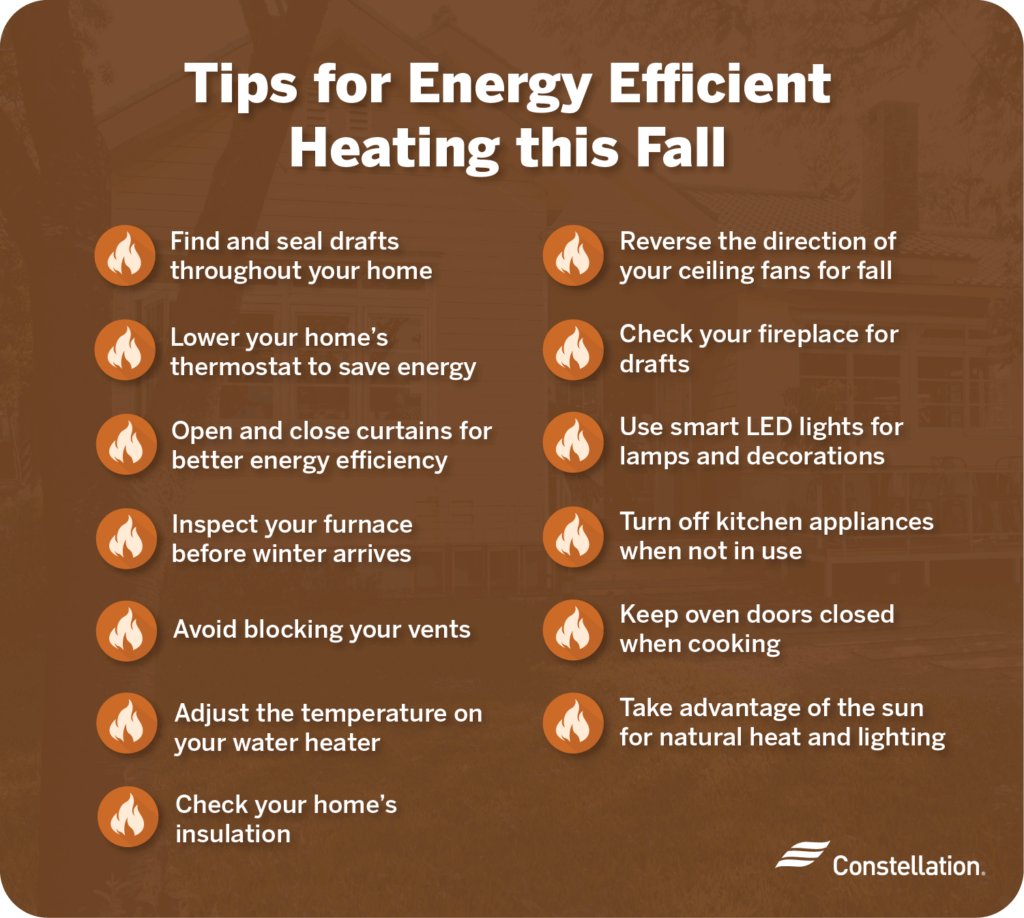
So, how can you figure out what's best for your situation? Here are a few practical tips: First, monitor your energy bills. Keep track of your usage patterns and compare months where you tried different approaches. Many energy providers offer online tools to help you analyze your consumption. Second, consider investing in a programmable thermostat. These devices allow you to automatically adjust the temperature based on your schedule, offering the best of both worlds. Finally, experiment! Try turning down the thermostat a few degrees when you're away and see if you notice a significant difference in your energy bills. You can also use a simple thermometer to monitor how quickly your home cools down. Learning the nuances of your home's thermal behavior is the best way to make informed decisions and save money.