
Is It Good To Store Batteries In The Refrigerator
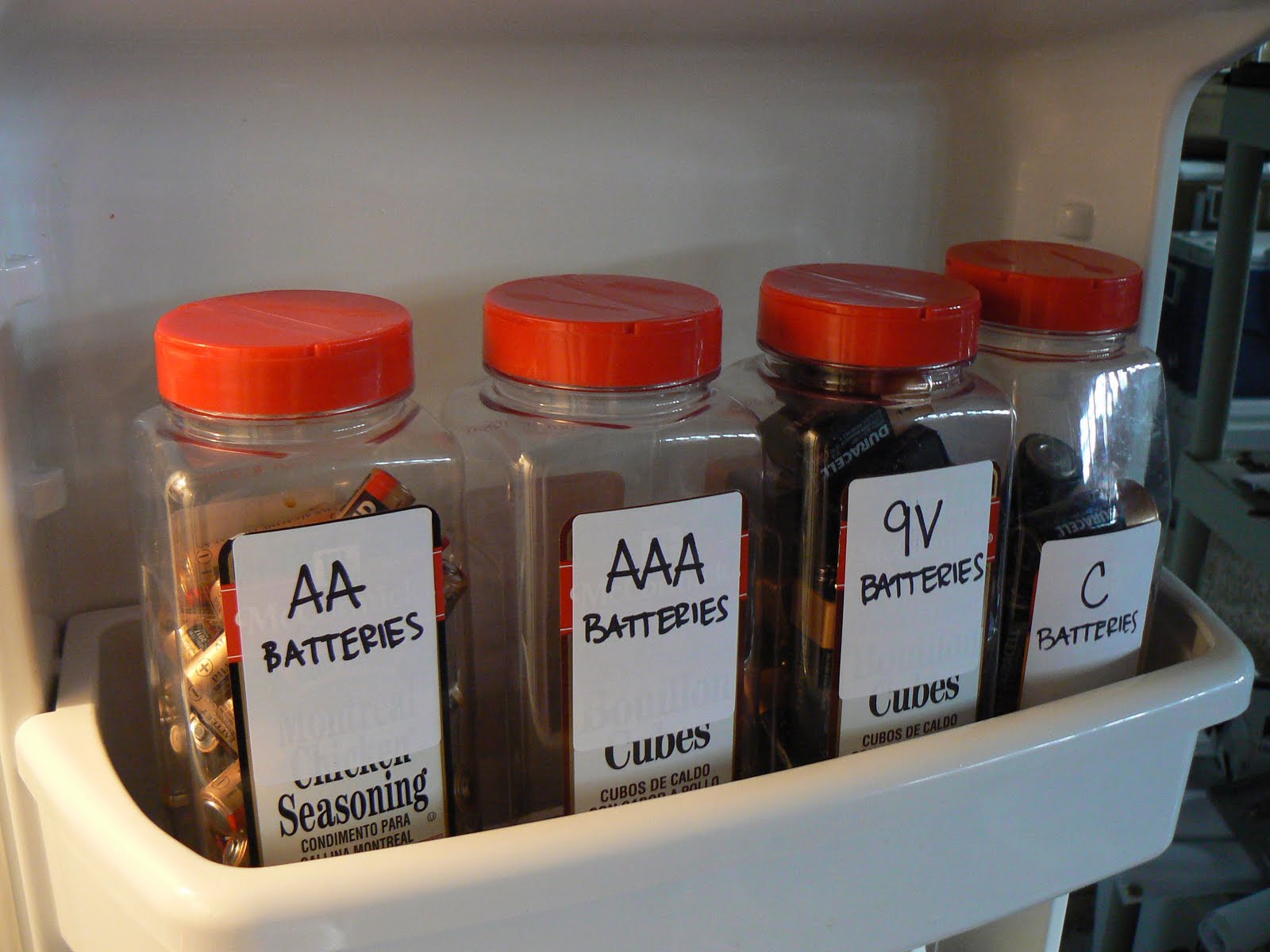
Okay, folks, buckle up! We're diving headfirst into a question that's plagued humanity for, well, maybe a slightly shorter time than that. But still! It's important. Should you be chilling your batteries like they're tiny, metal bottles of your favorite soda?
The Great Battery Fridge Debate
For years, people swore by the fridge-battery connection. Grandma did it! Your weird uncle Steve probably does it! Surely, there must be a reason, right?
Well, let's grab our metaphorical magnifying glasses and get to the bottom of this chilly mystery.
Must Read
The Old School Argument
Back in the day – think transistor radios and walkmans (remember those?) – batteries were a different beast. They were often zinc-carbon, and they really did benefit (a tiny, almost negligible bit) from being stored in a cool place. The cold could slow down self-discharge, meaning they wouldn't lose power as quickly just sitting around.
Think of it like this: imagine you're a marathon runner (the battery) and the cold is a nice, shady spot to take a quick breather. You're still gonna eventually run out of steam, but maybe you can delay it a smidge.
The Modern Battery World
But hold on to your hats, because things have changed! Enter the age of alkaline and lithium batteries. These guys are the Usain Bolts of the battery world. They're tougher, faster, and a whole lot less fussy.
These modern marvels? The fridge thing? Not so much. In fact, you might even be doing more harm than good. Gasp!
Why the Fridge Might Be a Battery Bully
Here's the deal: fridges are humid. And humidity is the enemy of batteries. Think of it like leaving your favorite metal toy outside in the rain – rust happens!

That lovely moisture can cause corrosion, which is basically battery kryptonite. Corrosion leads to leakage, and leakage leads to… well, a mess. A battery-acid-y mess. Nobody wants that!
Imagine a tiny, sticky green monster slowly eating away at your battery's insides. Not a pretty picture, is it?
Temperature Swings: A Battery's Rollercoaster Nightmare
Batteries are like Goldilocks: they don't like it too hot, and they don't like it too cold. They want it just right! The rapid temperature changes that happen when you take a battery in and out of the fridge can also stress them out.
Think of it as going from a sauna to an ice bath repeatedly. Not exactly a spa day for your little power cells.
This constant temperature fluctuation can reduce their lifespan and overall performance.

So, What's a Battery Lover to Do?
Fear not, battery aficionados! There's a much simpler (and less messy) solution. Just store your batteries at room temperature, in a dry place. Boom! Done! You're a battery-saving superhero!
A drawer, a cupboard, a dedicated battery box – these are all excellent options. Think of it as giving your batteries a nice, cozy home where they can relax and await their moment to power your gadgets.
Keep them away from extreme heat (like near a radiator) and direct sunlight, and they'll be happy campers.
The Exception to the Rule (Because There's Always One)
Okay, okay, there's a tiny exception. Some rechargeable batteries, specifically nickel-metal hydride (NiMH) ones, might benefit from being stored in a cool place after they've been fully charged. But even then, we're talking "cool," not "freezing your socks off" cold.
However, it's usually not worth the hassle unless you're a super-serious battery user who's trying to squeeze every last drop of juice out of them. For most of us, room temperature is just fine.

Think of it as a bonus level for battery experts only.
The Final Verdict: Fridge or No Fridge?
Let's recap, shall we? For modern alkaline and lithium batteries, the fridge is a no-go zone. It can lead to corrosion, leakage, and a whole lot of sadness.
Room temperature is your best bet for keeping those power cells happy and healthy.
So, ditch the fridge habit and give your batteries the respect they deserve. They power our lives, after all!
Bonus Tip: Battery Storage Etiquette
Here's a pro tip for all you battery enthusiasts: store your batteries in their original packaging, or in a plastic container, to prevent them from touching each other or other metal objects. This can prevent accidental discharge or short circuits.

Think of it as giving each battery its own personal bubble of safety.
Also, always recycle your old batteries properly! They contain materials that can be harmful to the environment if they end up in a landfill. Be a responsible battery user!
In Conclusion: Batteries Are Not Pickles!
So, the next time you're tempted to toss your batteries into the fridge, remember this article. Remember the corrosion, the leakage, and the tiny green monster slowly devouring your power cells.
Batteries are not pickles. They don't need to be chilled. They just want a nice, dry place to hang out until they're called upon to power your TV remote, your kid's toy, or your emergency flashlight.
Now go forth and spread the word! Let's put an end to the great battery fridge debate once and for all. And let's all enjoy longer-lasting, happier batteries!