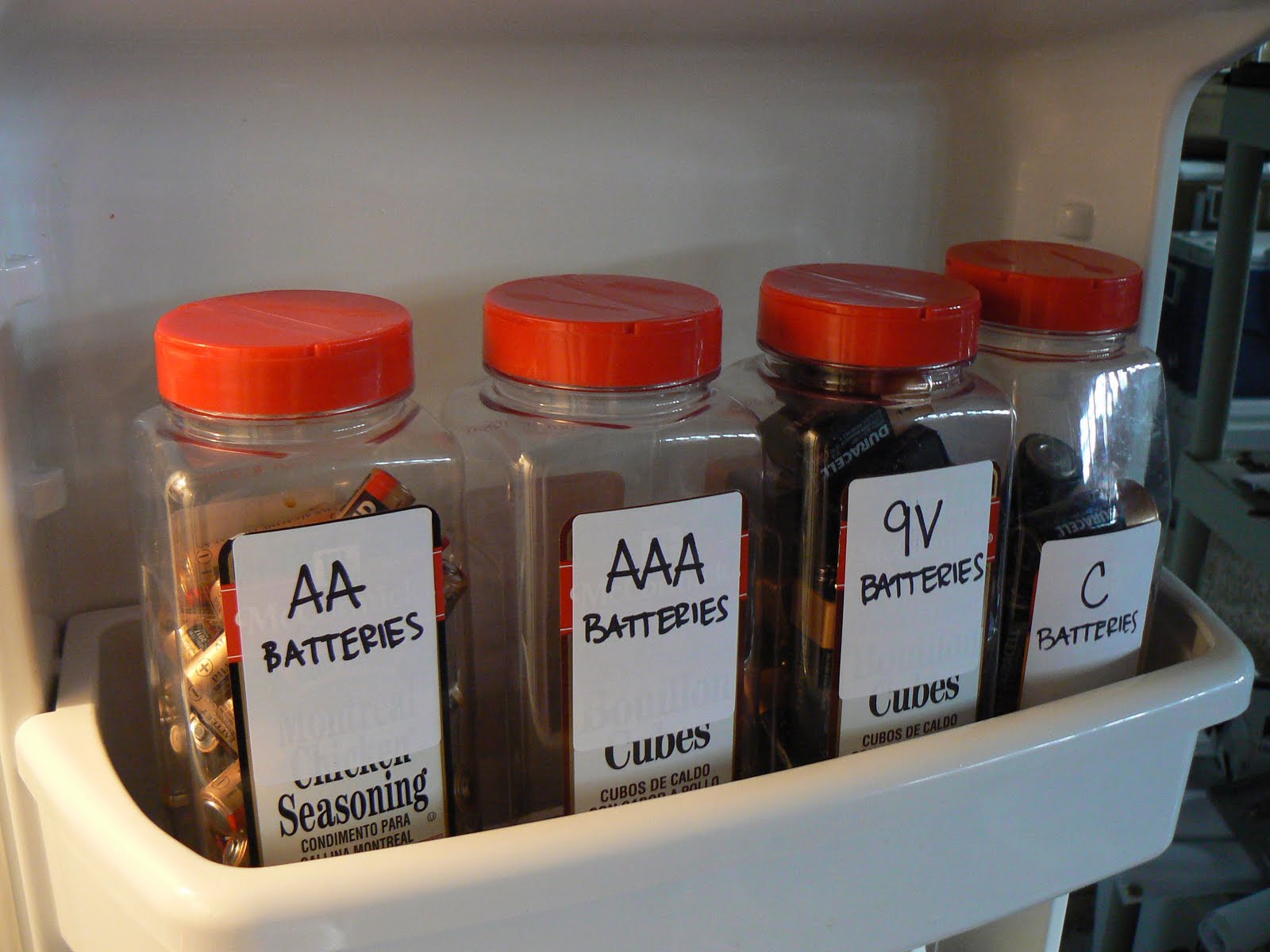
Is It Good To Keep Batteries In The Refrigerator
Ah, batteries. Those little powerhouses that keep our remotes clicking, our toys buzzing, and our flashlights shining. We rely on them so much, it's almost second nature to think about how to maximize their lifespan. And that’s where the age-old question arises: Should we be keeping batteries in the refrigerator?
The idea of refrigerating batteries stems from a time when batteries were significantly different from what we use today. The logic was that low temperatures would slow down the self-discharge rate, effectively preserving their stored energy for longer. Imagine a world where you could buy a pack of batteries, stick them in the fridge, and know they'd be ready to go months, even years later! This was especially appealing for infrequently used devices like emergency radios or camping gear, ensuring you had power when you really needed it.
In the past, this practice had some merit, particularly with older battery chemistries like nickel-cadmium (NiCd) and nickel-metal hydride (NiMH). These batteries were prone to losing charge relatively quickly, and the fridge's chill offered a (slight) advantage. You might have seen your parents or grandparents carefully storing their batteries alongside the milk and leftovers, believing they were extending their usability. Common applications included keeping spare batteries for cameras, walkie-talkies, and even early portable CD players ready to go at a moment’s notice.
Must Read
However, the modern battery landscape is quite different. Alkaline and lithium batteries, the types most commonly found in our homes today, have significantly improved self-discharge rates. The benefit of refrigeration for these types is negligible, and in some cases, it can even be detrimental. Condensation is the real enemy! When you take a cold battery from the refrigerator into a warmer environment, condensation can form. This moisture can corrode the battery terminals and internal components, potentially leading to leakage and damage to both the battery and the device it's used in.

So, what's the best way to keep your batteries happy and ready for action? Here are a few practical tips:
- Store batteries at room temperature: A cool, dry place away from direct sunlight is ideal.
- Keep batteries in their original packaging: This protects them from short-circuiting.
- Avoid extreme temperatures: Don't leave batteries in a hot car or a freezing garage.
- Use a battery tester: A simple tester can help you identify weak batteries before they leak and cause damage.
- Consider rechargeable batteries: For frequently used devices, rechargeable batteries are a more environmentally friendly and cost-effective option.
In conclusion, while refrigerating batteries might have been a somewhat useful practice in the past, it's no longer recommended for most modern batteries. Focus on proper storage at room temperature, and you'll be well on your way to maximizing their lifespan and avoiding any potential damage. So, ditch the fridge, embrace the cool, dry cupboard, and let your batteries power on!