
Is It Better To Keep Heat At Constant Temperature
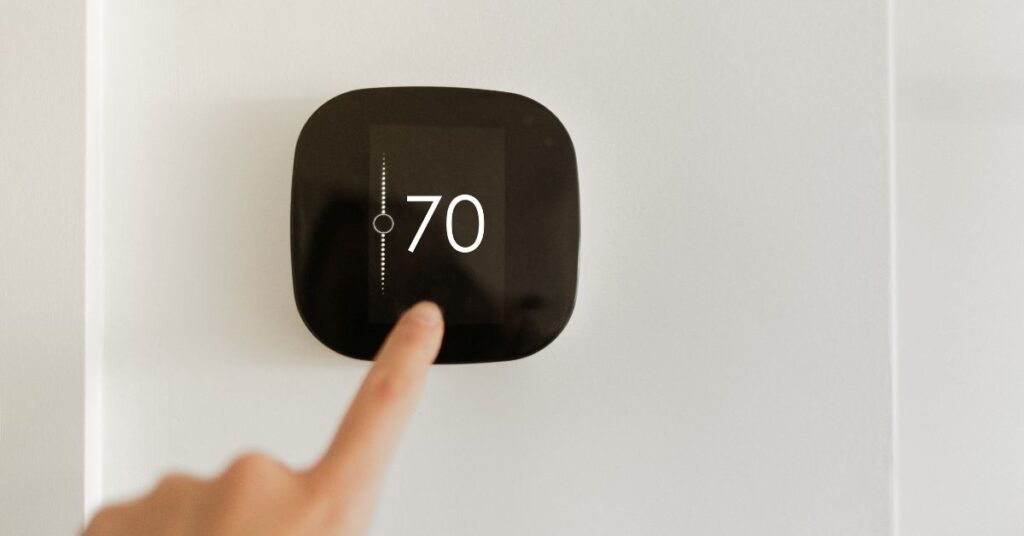
Okay, folks, let's talk about something everyone loves (or at least tolerates): the temperature in your home! We're diving deep into the age-old question: Is it better to keep the heat at a constant temperature? Get ready for some hot takes (pun intended!).
The "Steady Eddy" Approach
Imagine you're a sloth. A super comfy sloth. You like things just so. This is the "Steady Eddy" approach. You set your thermostat to, say, a delightful 72 degrees, and you leave it there. All. Day. Long.
The argument? It's all about consistency. No dramatic temperature swings to shock your system. No shivering in the morning, no sweating in the afternoon. Pure, unadulterated temperature bliss. Sounds dreamy, right?
Must Read
Think of it like a perfectly brewed cup of tea. You wouldn't let it get cold and then reheat it, would you? (Okay, maybe you would, no judgment). But ideally, you want that consistent warmth, sip after glorious sip. That's the Steady Eddy lifestyle.
The Perks of Being a Temperature Turtle
Proponents of the constant temperature camp will argue that it's easier on your system. Your furnace or heating system doesn't have to work as hard to bring the temperature up and down constantly. It's like maintaining a gentle jog versus sprinting and stopping repeatedly. Less strain, supposedly.
They also say it prevents those dreaded temperature dips that can make your toes curl. No more waking up in a frosty house because you forgot to adjust the thermostat! Just pure, predictable warmth. Ahhhh.
Imagine your pets. Fluffy the cat doesn't want to be blasted with hot air one minute and then be searching for a sunbeam the next. They crave the consistency! They want to know what they are getting.
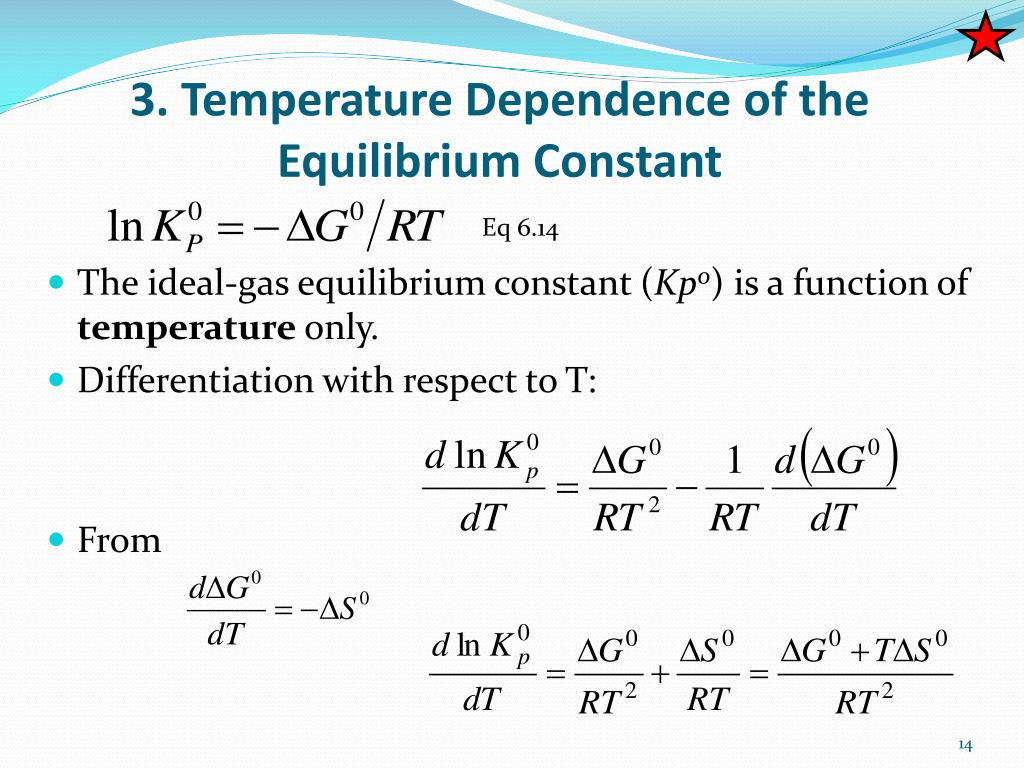
The "Rollercoaster Rider" Method
Now, let's meet our adventurous friend, the Rollercoaster Rider! This person is all about adjusting the temperature throughout the day. Lowering it when they're away at work, cranking it up when they're snuggled on the couch watching Netflix.
The philosophy here is all about energy efficiency. Why waste energy heating an empty house? It's like leaving all the lights on when you're not home. A total energy no-no in the Rider's book!
These are the people who thrive on smart thermostats. They have schedules meticulously programmed, ensuring maximum comfort and minimal energy waste. They see energy savings as a personal challenge. A quest, even!
The Thrill of the Temperature Dip
Rollercoaster Riders will tell you that letting your house cool down while you're gone can save you a significant amount of money on your energy bill. Think of it like this: It takes less energy to maintain a lower temperature than to constantly fight to keep it warm. Smart, right?

They also argue that a slight temperature drop at night can actually improve your sleep. Your body naturally cools down as you prepare to slumber, and a cooler room can encourage that process. It's like giving your body a little nudge towards dreamland.
Plus, think of the bragging rights! You can proudly announce to your friends that you're doing your part to save the planet (and a few bucks while you're at it). It's a win-win situation!
The Great Debate: Comfort vs. Cost
So, who's right? The Steady Eddy or the Rollercoaster Rider? It's the million-dollar question! (Okay, maybe not a million dollars, but definitely a question worth pondering.) The truth, like most things, is somewhere in the middle.
Comfort is subjective. What feels cozy to one person might feel like a polar vortex to another. It really depends on your personal preferences and how sensitive you are to temperature changes.
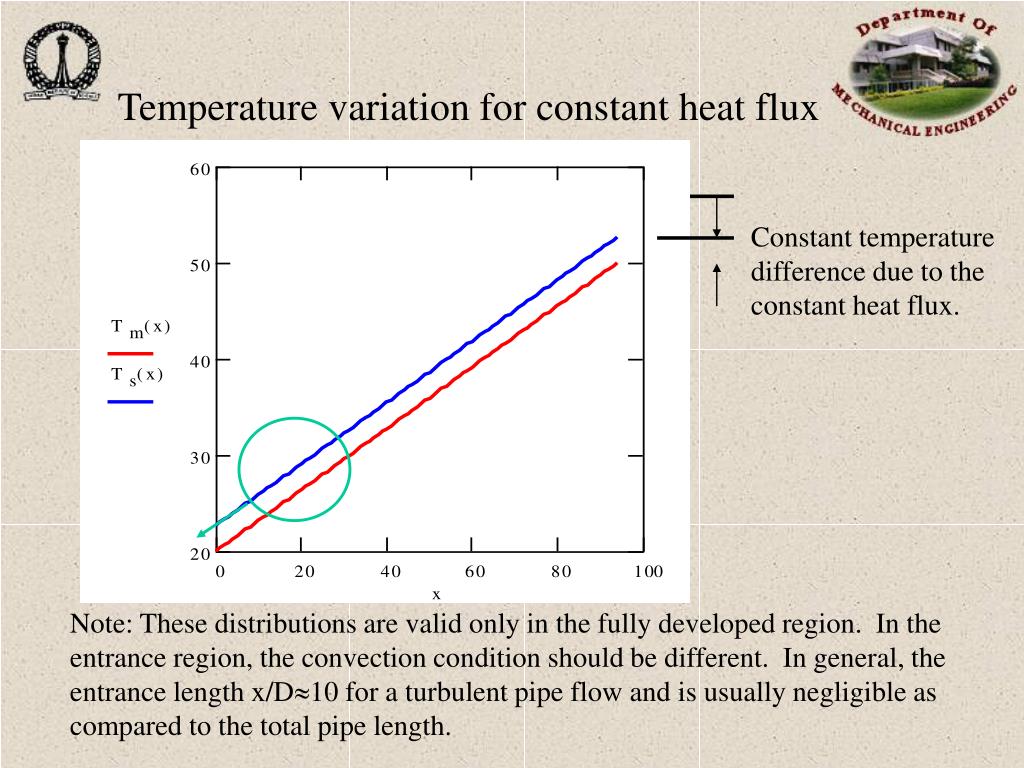
And then there's the cost factor. Lowering your thermostat when you're not home can save you money, but the actual amount depends on a variety of factors, like the insulation in your home, the efficiency of your heating system, and the climate you live in.
Also, consider the type of heating system you have. Heat pumps are designed to maintain a constant temperature and are not very efficient at quickly raising the temperature. So, for heat pumps, the Steady Eddy approach might be better.
Finding Your Perfect Temperature Balance
The key is to find a balance that works for you. Experiment with different thermostat settings and see what feels most comfortable and what has the least impact on your energy bill. It's all about discovering your own personal temperature sweet spot.
Maybe you're a "Slightly Sloth-ish" type. You keep the temperature relatively consistent during the day, but lower it a few degrees at night. Or perhaps you're a "Mildly Motivated Rider" who only adjusts the thermostat when you're going to be away for an extended period. There are no rules!
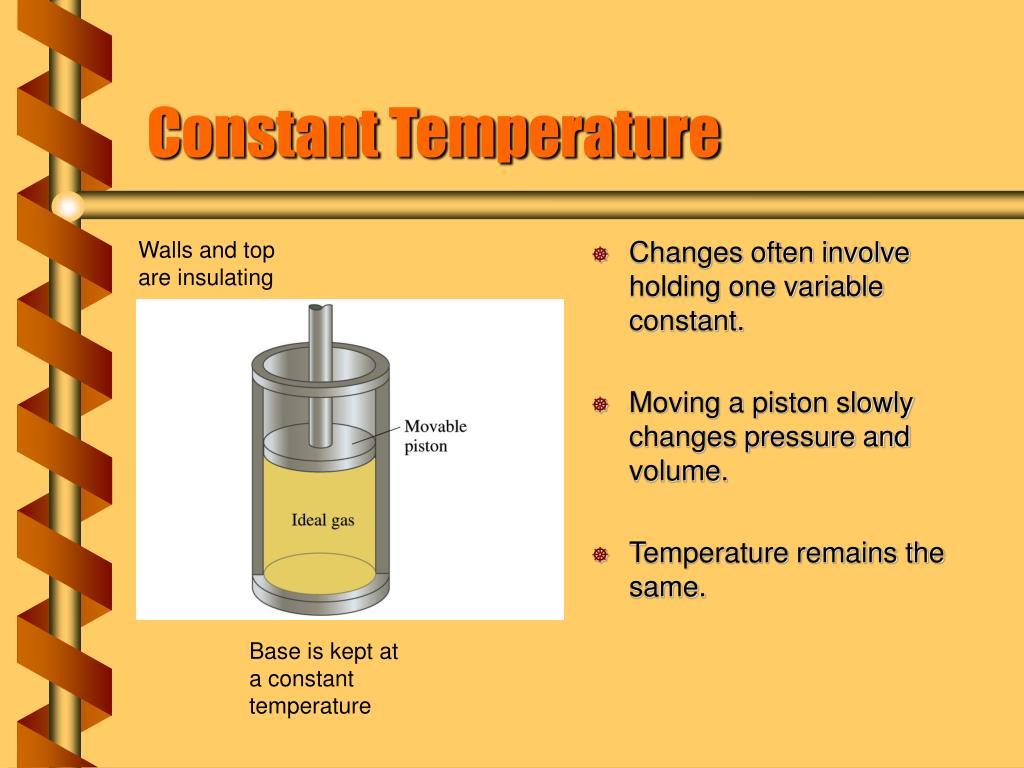
Think of it like Goldilocks and the Three Bears. You're searching for the temperature porridge that's "just right." It might take some trial and error, but eventually, you'll find it. We believe in you!
Don't be afraid to embrace technology! Smart thermostats can learn your habits and automatically adjust the temperature based on your schedule. They can even detect when you're home or away using geofencing (a fancy term for creating a virtual boundary around your house). It's like having a tiny, temperature-obsessed robot working for you!
Ultimately, the best approach is the one that makes you feel comfortable, saves you money, and helps you sleep soundly at night. Whether you're a Steady Eddy or a Rollercoaster Rider (or something in between), the most important thing is to find a temperature strategy that works for your lifestyle. Now go forth and conquer that thermostat!
So, crank up the tunes, grab a cozy blanket, and embrace your inner temperature guru. Your comfort (and your wallet) will thank you for it!
And remember, there's no wrong answer... unless you set your thermostat to 90 degrees in the summer. Please don't do that. The planet will thank you.