Is It Bad To Reuse Plastic Bottles For Water

Let's talk about something we all probably do – reusing plastic water bottles! It seems so eco-friendly and convenient, right? But is it actually a good idea? This is a topic that pops up all the time, and it’s worth understanding the pros and cons so we can make informed choices. Plus, knowing the facts can save us from potential health risks and help us be smarter consumers.
So, why should you care? Well, if you're just starting to think about sustainability, reusing plastic bottles seems like an easy win. For families, it’s about the budget – ditching disposable bottles can save money. And for those of us who are always on the go (the hobbyists, the gym-goers, everyone in between!), having a readily available water container is a must. But before you fill that old bottle up again, let's dive into the details.
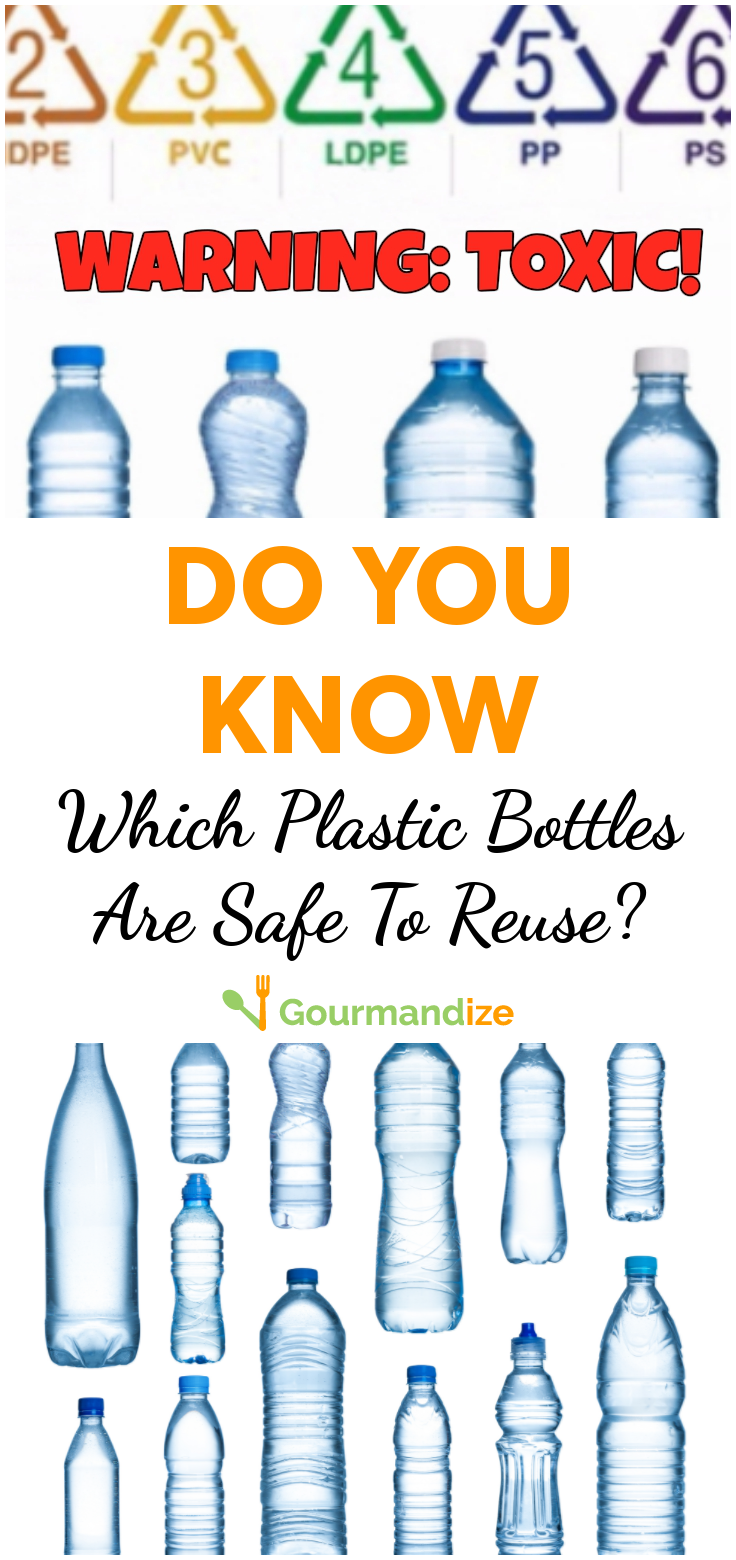
The main concern with reusing plastic bottles is the potential for leaching. Over time, the plastic can break down, especially when exposed to heat or repeated washing. This breakdown can release chemicals like BPA (Bisphenol A) or phthalates into your water. While the effects of low-level exposure are still being studied, many prefer to err on the side of caution. Different types of plastic bottles pose different risks. Those thin, single-use water bottles (often labeled with a "1" or "PET" recycling code) are particularly prone to breakdown. Harder, more durable plastics (like those with a "7" or "PC" code – often containing BPA) might seem sturdier, but historically have been linked to the leaching of BPA.
Must Read
But don't despair! There are ways to reuse bottles relatively safely. For example, refilling a plastic bottle once or twice is generally considered okay, as long as you wash it thoroughly with soap and hot water after each use. Avoid leaving the bottle in direct sunlight or a hot car, as heat accelerates breakdown. A better alternative altogether is to switch to reusable bottles made from stainless steel, glass, or BPA-free plastic. These are designed for repeated use and are less likely to leach harmful chemicals.

Here are a few simple tips to get started:
- Identify the Plastic: Check the recycling code on the bottom of your bottle. Avoid reusing bottles with codes "1" (PET or PETE).
- Wash Thoroughly: Use hot, soapy water and a bottle brush to clean your bottle after each use. Let it air dry completely.
- Avoid Heat: Don't leave your bottle in hot environments.
- Replace Regularly: If your bottle shows signs of wear and tear (cracks, scratches, discoloration), it's time to recycle it.
- Upgrade: Consider switching to a reusable bottle made from a safer material like stainless steel.
Ultimately, reusing plastic water bottles can be a small step towards sustainability, but it's important to do it wisely. By understanding the risks and taking precautions, or better yet, opting for reusable alternatives, you can stay hydrated and healthy. So, take the plunge, choose a fantastic reusable bottle that speaks to you, and enjoy the peace of mind that comes with making informed choices!