Is Iron A Metal Or Metalloid

Ever wondered about the stuff that holds our world together? From the mighty skyscrapers touching the clouds to the trusty pan sizzling your breakfast, a lot of it comes down to a humble element: iron. We see it everywhere, but have you ever stopped to ponder its true identity on the periodic table? Is iron a metal or something a little more mysterious, like a metalloid? It might sound like a purely scientific question, but understanding these fundamental building blocks of our universe is actually pretty fun and helps us appreciate the amazing materials we interact with every single day.
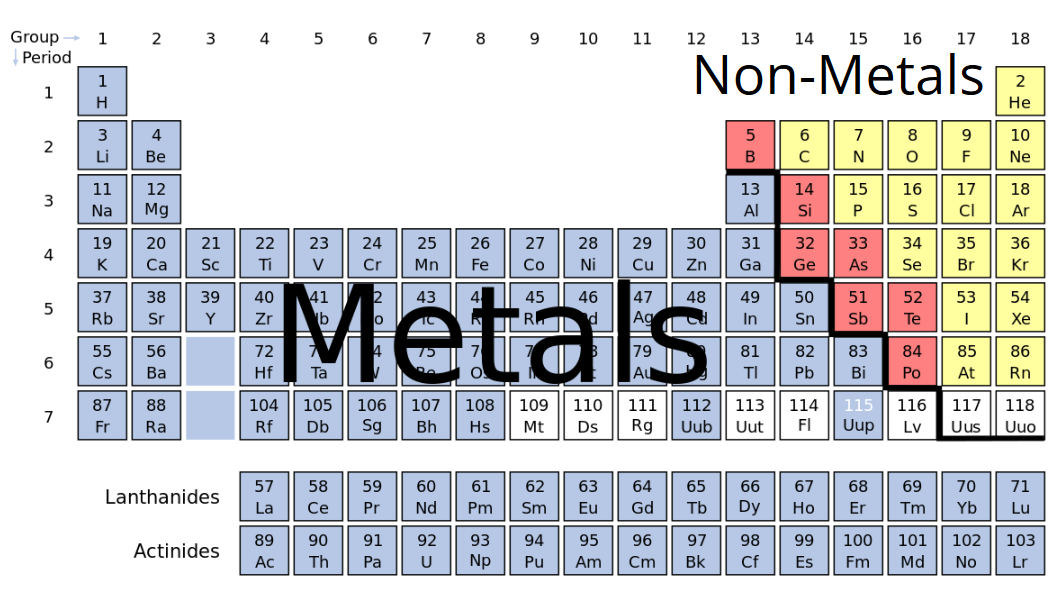
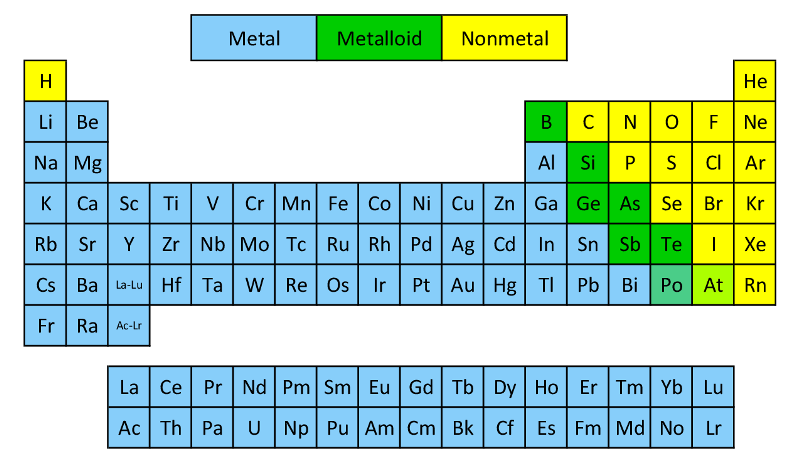
So, let's get straight to it: Is iron a metal or a metalloid? Well, spoiler alert – iron is definitely a metal! And a pretty spectacular one at that. Metals are generally known for being shiny, highly conductive (meaning they let heat and electricity pass through easily), malleable (you can hammer them into sheets), and ductile (you can pull them into wires). Iron ticks all these boxes with flying colors. Metalloids, on the other hand, are the cool 'in-betweeners' – they have properties of both metals and nonmetals, acting as semiconductors, which is super useful in electronics but not quite what iron is about. Iron's metallic nature is precisely what gives it its incredible strength, its ability to be shaped, and its fascinating magnetic properties, making it indispensable for countless applications.
Where do we see iron's metallic prowess in action? Everywhere! In education, iron is a superstar. In chemistry class, you learn about its atomic number (26!), its symbol (Fe), and its reactivity, especially its tendency to rust – a classic example of oxidation. In physics, it's the poster child for ferromagnetism, showing us how certain materials can become strong magnets. In daily life, just look around: the steel beams supporting buildings, the cast iron skillet in your kitchen that holds heat so well, the engine block of your car, even the tiny iron particles in your breakfast cereal (though in a very different, edible form!). It's the backbone of infrastructure, manufacturing, and even plays a vital role in our own bodies as part of hemoglobin, carrying oxygen in our blood. Its strength, durability, and magnetic qualities make it truly irreplaceable.
Must Read
Want to explore the metallic magic of iron yourself? It’s super easy and fun! Next time you’re in the kitchen, grab a magnet and see which of your pots and pans it sticks to. If it’s cast iron or stainless steel (which is an alloy of iron), you'll likely feel that magnetic pull. Look at a wrench or a nail – pure examples of iron's strength and formability. You can also peek at a periodic table online or in a science book; you'll find iron squarely in the middle, among its metallic friends, far from the zigzag line that separates metals from metalloids. Notice how solid and robust iron feels compared to, say, a piece of graphite (carbon, a nonmetal) or silicon (a classic metalloid). It's a fantastic way to grasp the differences between these fundamental material categories just by observing the world around you!