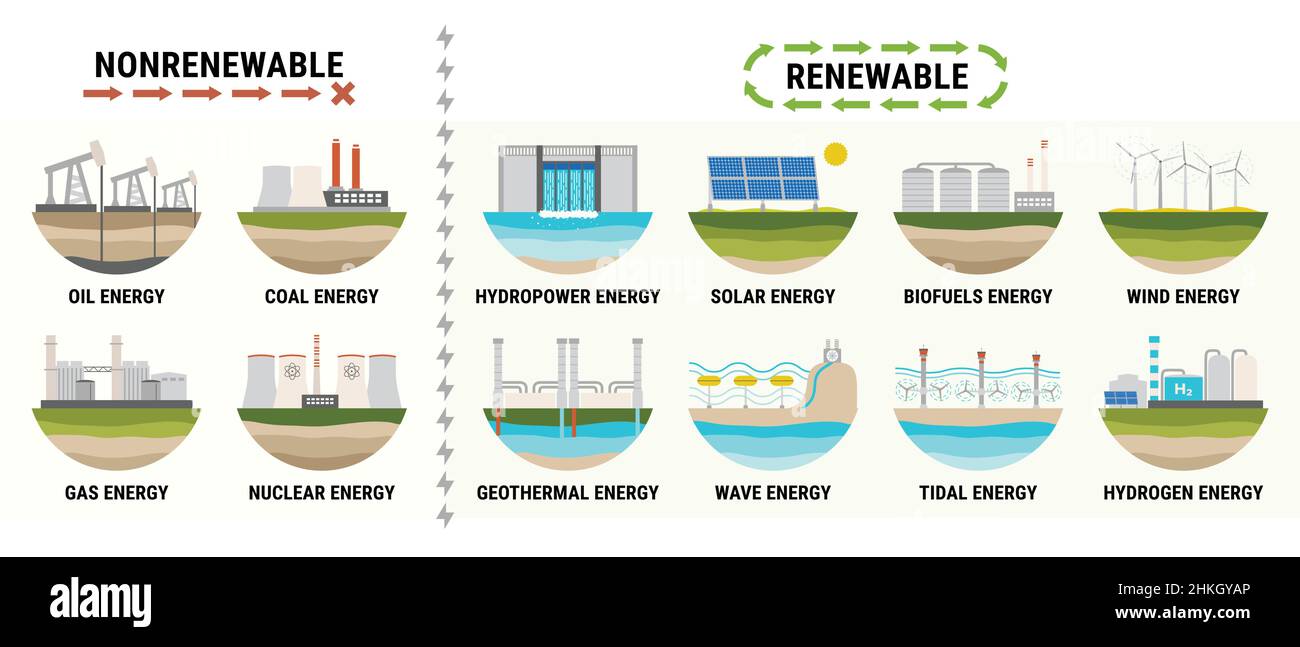
Is Hydropower Renewable Or Nonrenewable Resource
Let's dive into a topic that's both important and surprisingly interesting: hydropower! We're talking about electricity generated from the power of water. But here's the big question: is it renewable, or nonrenewable? Understanding this is crucial as we all think more about where our energy comes from and how it impacts the planet. Plus, knowing the basics makes you a total rockstar at dinner conversations about energy policy!
For beginners, like those just starting to learn about energy sources, hydropower can seem a little confusing. After all, water is always flowing, right? Well, the answer is more nuanced. Generally speaking, hydropower is considered a renewable resource because the water cycle (evaporation, precipitation, etc.) constantly replenishes the water supply. The sun's energy drives this cycle, making hydropower indirectly reliant on a virtually endless energy source. But, large hydropower dams can significantly alter river ecosystems, impacting fish migration and water quality. This highlights the complexities involved in defining what "renewable" truly means.
For families, especially those keen on teaching their kids about environmental stewardship, hydropower offers a great opportunity to discuss balancing energy needs with ecological concerns. Think about visiting a local dam (if you have one nearby!). Many offer educational tours where you can see the turbines in action and learn about the dam's impact on the surrounding environment. You can explain that while water itself is constantly renewed, the construction and operation of large dams can have significant consequences. Talk about the importance of responsible energy consumption and exploring diverse renewable energy options.
Must Read
For hobbyists interested in sustainable living or even DIY energy projects, hydropower offers fascinating possibilities. While building a large-scale hydroelectric dam isn't exactly a weekend project, there are smaller-scale options to explore! Micro-hydropower systems can be used to generate electricity from small streams or rivers. Imagine powering your garden shed or a small cabin with your own water-powered generator! There are various designs, from simple water wheels to more sophisticated turbine systems. Remember to research local regulations and obtain any necessary permits before embarking on such a project.
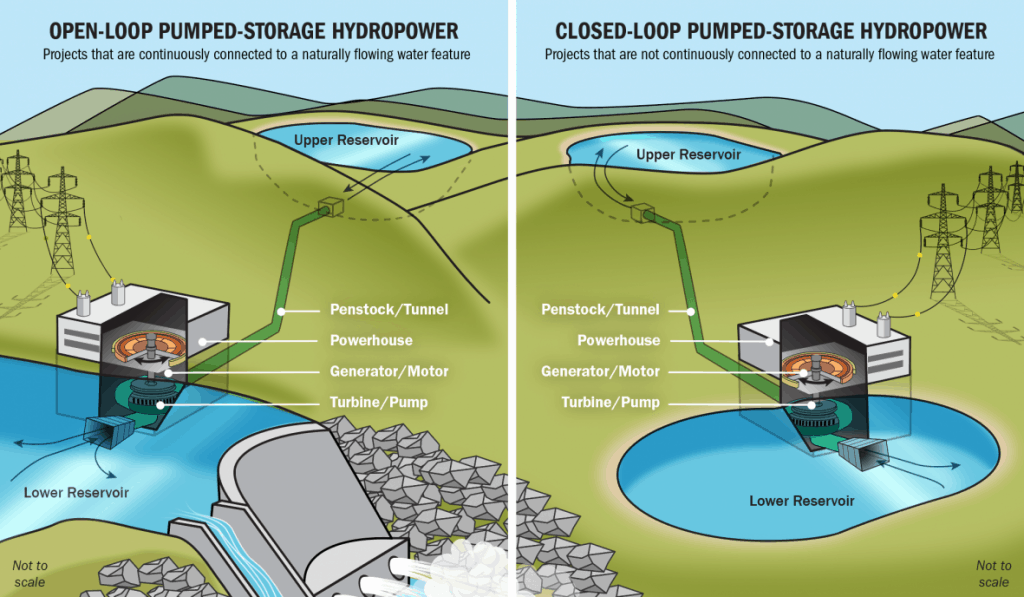
Examples of hydropower are all around the world. The Three Gorges Dam in China is one of the largest hydroelectric power stations globally. In contrast, a small run-of-the-river hydropower system might divert a portion of a stream's flow to generate power without creating a large reservoir. There are also variations like pumped storage hydropower, where water is pumped uphill to a reservoir and then released to generate electricity when needed, acting like a giant battery.
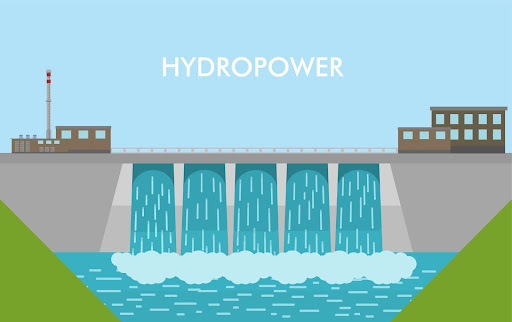
So, how can you get started learning more? First, research different types of hydropower. Understand the difference between large-scale dams and smaller, run-of-the-river systems. Second, investigate the environmental impacts of hydropower in your region. What are the pros and cons? Third, consider your own energy consumption. How can you reduce your reliance on fossil fuels and support renewable energy sources? Even small steps, like switching to a renewable energy provider or using energy-efficient appliances, can make a difference.
Ultimately, understanding hydropower is about more than just knowing if it's renewable or not. It's about appreciating the complexities of energy production and the importance of making informed choices. By exploring this topic, you'll not only gain valuable knowledge but also contribute to a more sustainable future. And who knows, you might even inspire others to join the conversation! So, embrace the power of water and enjoy the journey of learning about this fascinating energy source.