
Is Hydropower Energy Renewable Or Nonrenewable
Hey there, energy explorers! Ever wondered about that power humming in your walls, the one that keeps your lights on and your phone charged? Where does it really come from? Today, let's dive into a fascinating source: hydropower.
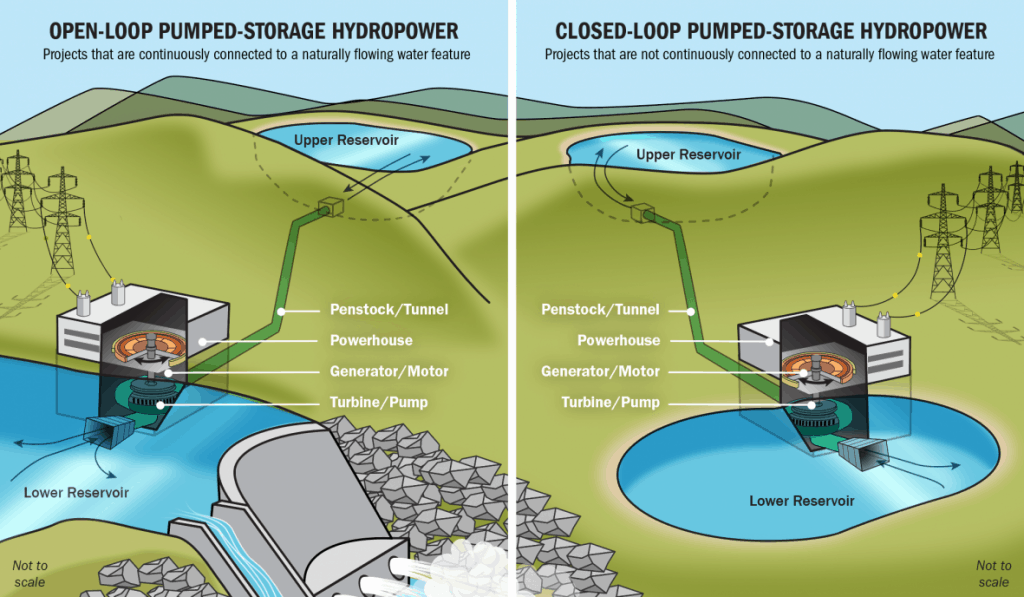
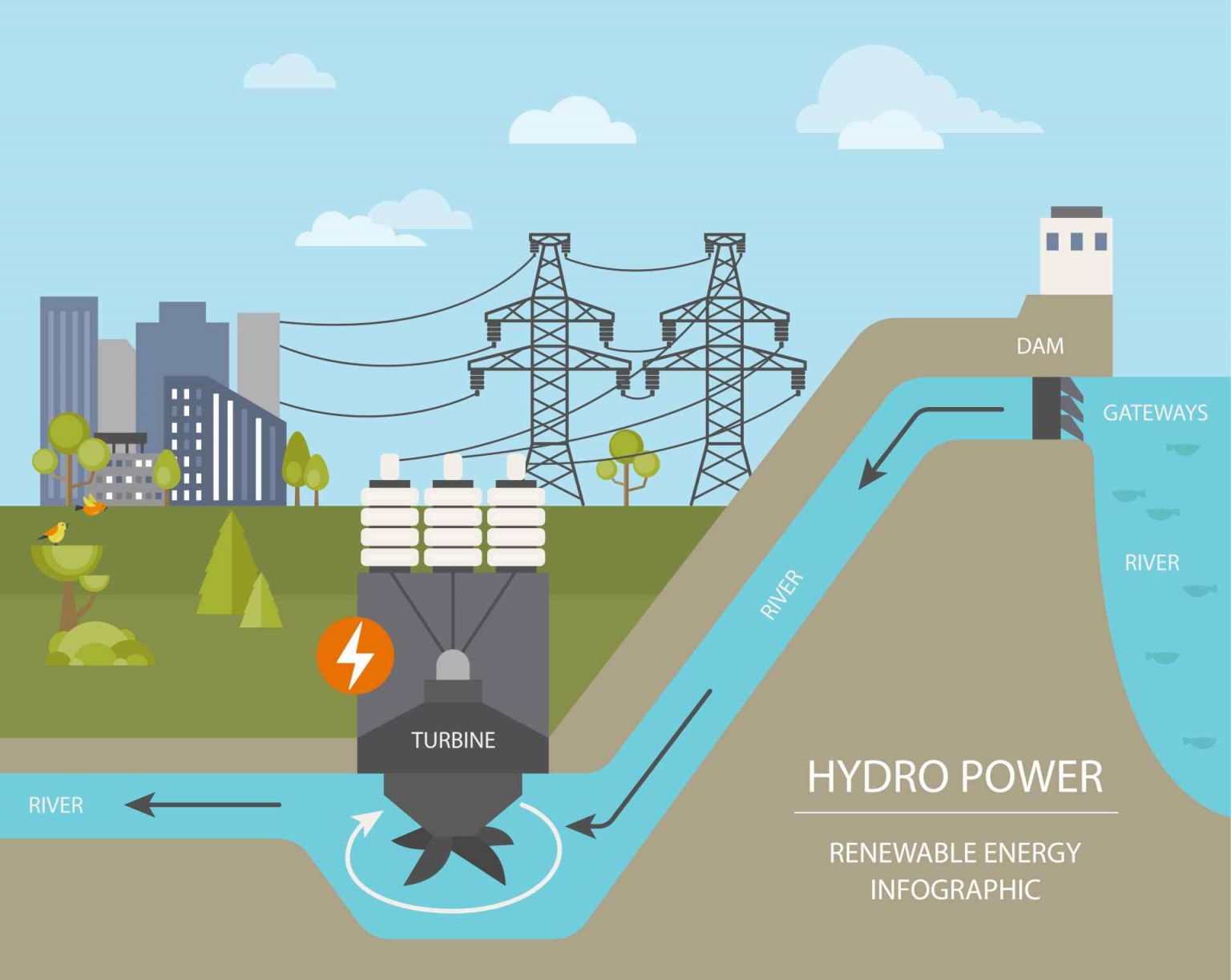
Hydropower, or hydroelectric power, is basically using the energy of moving water to generate electricity. Think of it like this: a water wheel, but on a much, much bigger scale. You've probably seen those massive dams in movies, right? That’s often where the magic happens!
So, is Hydropower Renewable? The Big Question!
Okay, so here's the million-dollar question: Is hydropower a renewable energy source? Is it like solar or wind, resources that naturally replenish? Or is it more like fossil fuels, which are finite and eventually run out? Let's unpack this!
Must Read
The short answer is: mostly, yes.
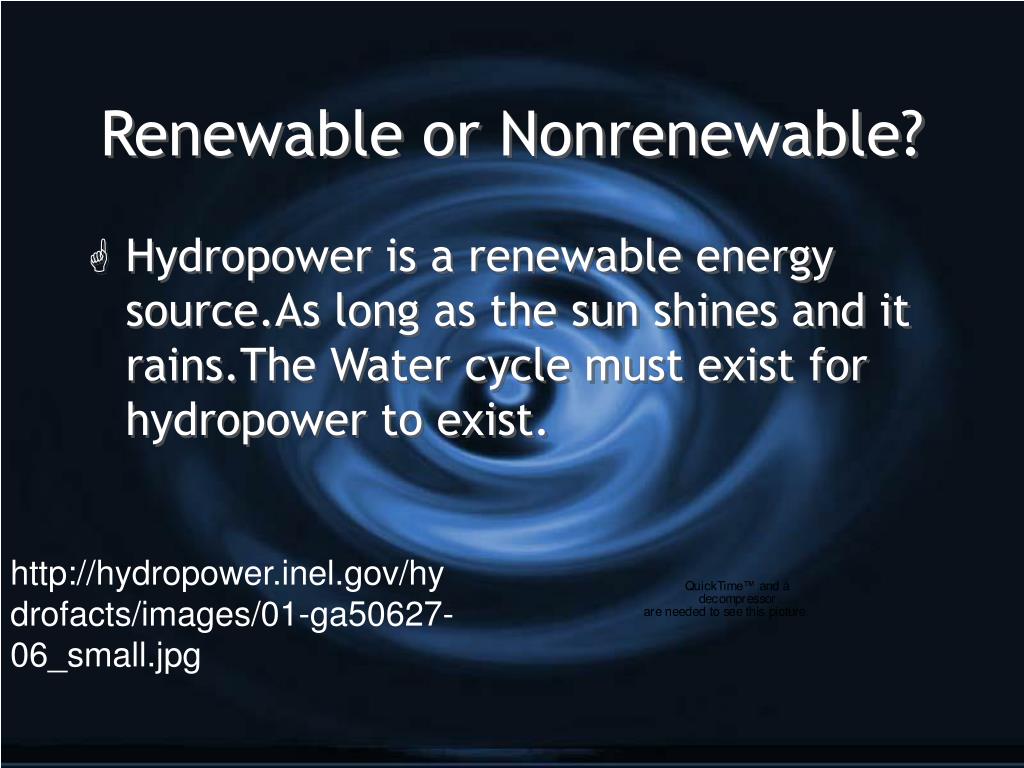
The thing that makes hydropower so interesting is that it sits in a bit of a grey area. We're harnessing the power of the water cycle – evaporation, precipitation, and runoff – a cycle that's been happening for, well, ever! As long as the sun keeps shining and the rain keeps falling, we'll have water flowing.
Think of it like baking cookies. The oven (the sun) is always on, the ingredients (water) are usually available, and you can keep baking (generating electricity) as long as you have those things. Pretty sustainable, huh?
But Wait, There's a Catch!
Now, before we get too excited and start picturing a world powered solely by water, there are some important considerations. This is where it gets a little more complicated.
While the water itself is renewable, the dams we build to harness that water are a different story. Building a massive dam can have some serious impacts on the environment.
We're talking:

- Disrupting river ecosystems: Dams can block fish migration, alter water temperature, and change the flow of nutrients. Imagine putting a giant roadblock in the middle of a busy highway for fish!
- Flooding land: Reservoirs created by dams can flood large areas of land, displacing people and wildlife. It's like building a huge swimming pool, but realizing it's covering your entire neighborhood.
- Sediment buildup: Dams trap sediment, which can deprive downstream areas of vital nutrients and lead to erosion. Think of it like a clogged artery – not good!
- Methane emissions: In some cases, reservoirs can release methane, a potent greenhouse gas, as organic matter decomposes underwater. Not exactly eco-friendly, is it?
So, while the fuel – the water – is renewable, the infrastructure and the overall impact can raise questions about hydropower's true sustainability. It's like saying a car is "eco-friendly" because it runs on biofuel, but forgetting about all the pollution that went into manufacturing the car in the first place.
So, What’s the Verdict?
Ultimately, whether or not hydropower is considered "renewable" depends on how you look at it. It’s a complex issue with both positive and negative aspects. It's not as simple as "good" or "bad."

Many organizations and governments classify hydropower as renewable, especially large-scale hydropower projects. However, there’s a growing movement toward smaller-scale, run-of-river hydro projects, which have a much smaller environmental footprint. These projects don't require large reservoirs and minimize disruption to river ecosystems. They're like the tiny, efficient homes of the hydropower world!
The bottom line? Hydropower has the potential to be a clean and sustainable energy source, but it's crucial to carefully consider the environmental impacts and explore alternative approaches. We need to think critically about the trade-offs and strive for responsible development that benefits both people and the planet.
What do you think? Is hydropower a sustainable solution for our energy needs? Let's chat in the comments below!