
Is Heating Gas Or Electric Bill
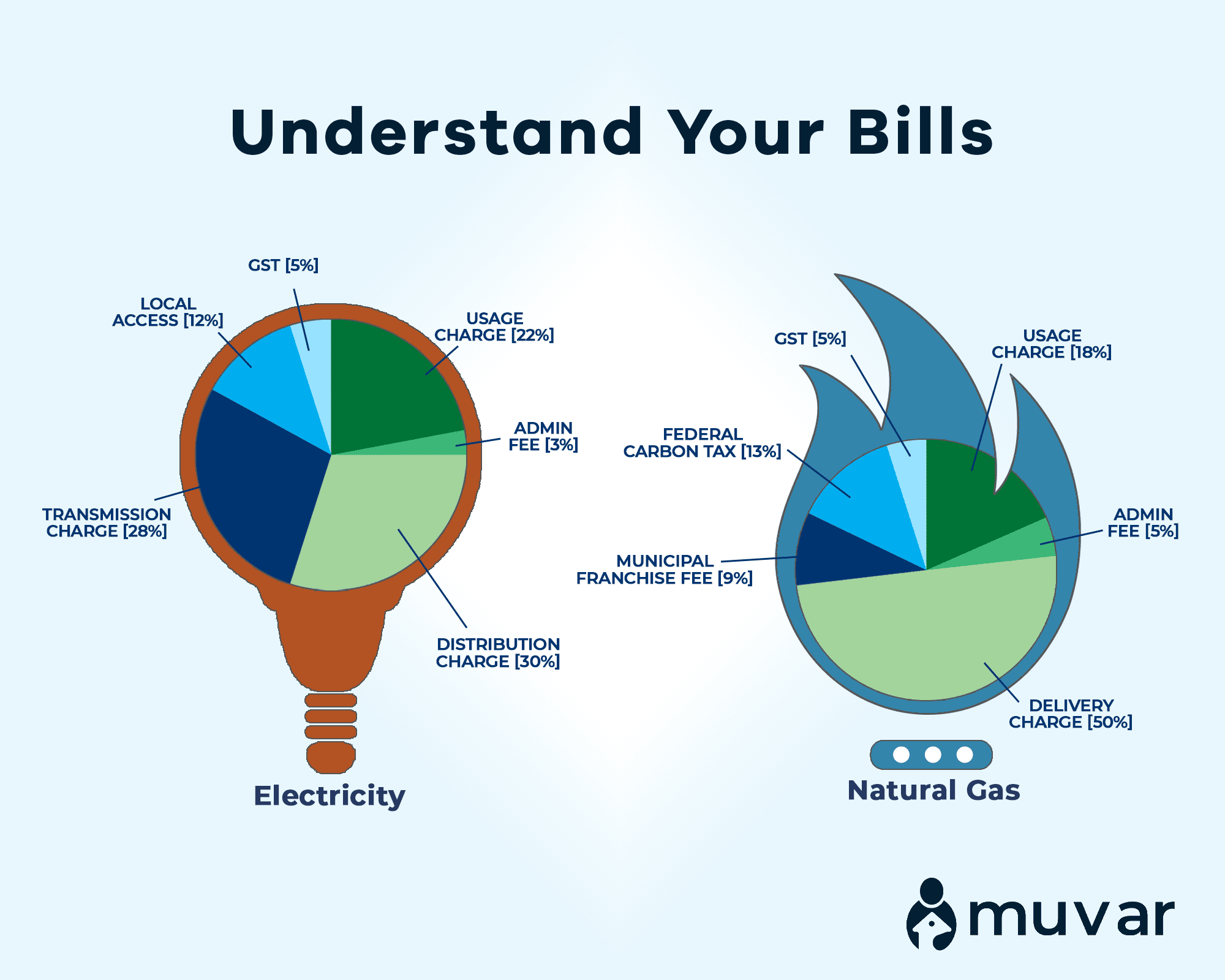
Hey there, cozy seeker! Ever found yourself staring at that utility bill, scratching your head, and wondering, "Is this monster for gas or electricity, and why does my house still feel like a walk-in freezer sometimes?!" You're not alone! It's a question that pops up more often than popcorn at a movie night, and it can be a little baffling.
Let's demystify this heating bill business once and for all, shall we? We’re going to break it down like a delicious puzzle, with no confusing jargon, just good old plain English and a few chuckles along the way. Think of me as your friendly neighborhood energy guru, but with less actual guru-ness and more "let's figure this out together" vibes.
The Big Reveal: It's Both! (Surprise!)
Alright, drumroll please... The truth is, your heating bill could be for gas, or it could be for electricity. Or, in some super fancy cases, even a mix! It all boils down to how your home generates that lovely, comforting warmth that keeps your toes from turning into ice cubes.
Must Read
It’s like asking if your car runs on petrol or magic – depends on the car! Your home's heating system is the key player here. So, let’s peek under the hood, shall we?
Team Gas: The Fiery Furnaces
Many homes, especially in areas with well-established infrastructure, rely on natural gas for heating. How does it work? Well, a big, trusty furnace takes that natural gas, burns it (safely, of course!), and creates heat. That warmth then gets distributed through ducts and vents, warming up your rooms like a cozy hug.
If you're on Team Gas, you'll typically see a specific line item on your utility bill from a gas company. Sometimes it's a separate bill entirely, just for the gas. It’s pretty straightforward: the more gas you use to stay toasty, the higher that part of your bill will be. Simple, right?

Pros: Often cheaper per unit of heat compared to electricity in many regions. It also heats quickly and efficiently for large spaces.
Cons: Requires gas lines (not every home has access), and there's always the safety aspect (carbon monoxide detectors are your friends!). Plus, burning fossil fuels isn't the most environmentally friendly option, though advancements are always being made.
Team Electric: The Invisible Warmers
Now, if your home isn't hooked up to natural gas lines, or if you've got a newer, fancier system, you might be on Team Electric. Electric heating comes in a few flavors:

First up, we have electric resistance heating (think baseboard heaters, radiant floors, or space heaters). They work by running electricity through a resistive material, which gets hot and radiates warmth. Simple, effective, but sometimes feels like your wallet is running a marathon – uphill, both ways!
Then there are the marvels of modern tech: heat pumps. They're like super-smart air conditioners that can run in reverse. In winter, they pull heat from the outside air (yes, even cold air has heat!) and transfer it inside your home. In summer, they reverse the process to cool you down. They use electricity to move heat, rather than generate it, which makes them incredibly efficient.
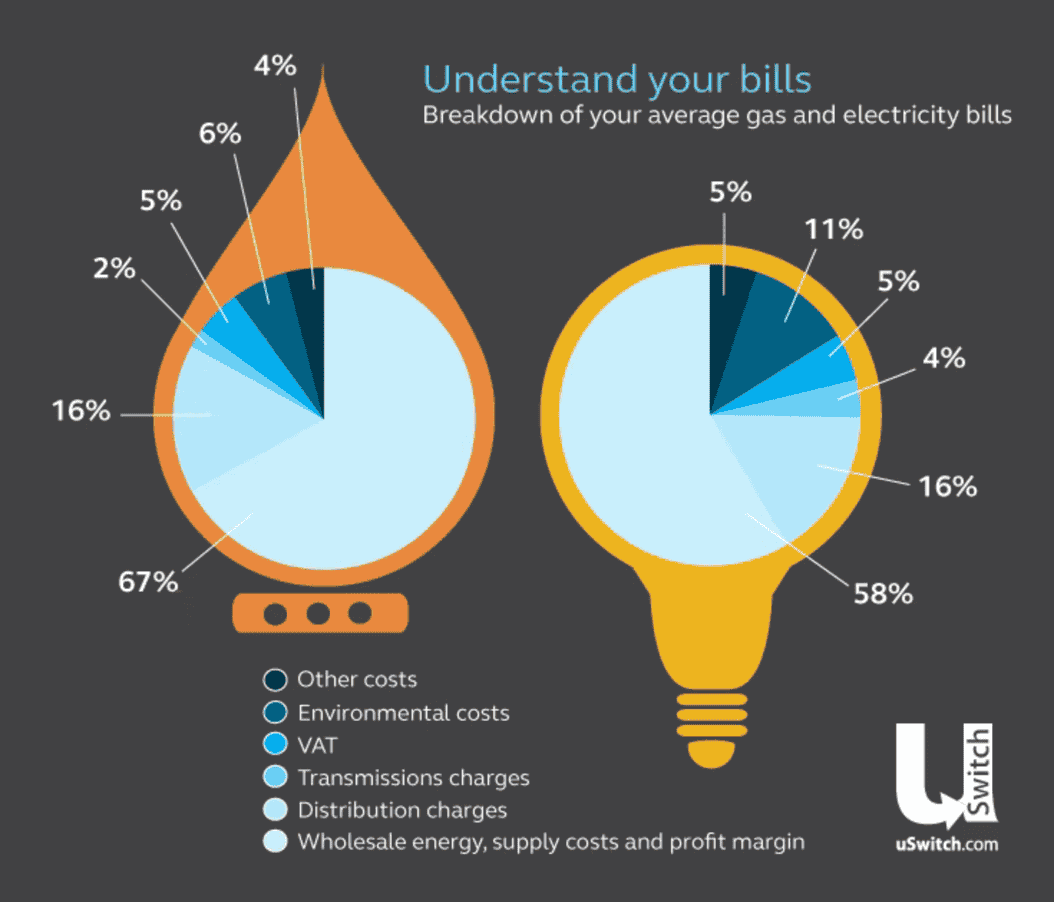
If you're on Team Electric, your heating costs will show up on your regular electricity bill. It'll be lumped in with all your other electrical usage – lights, fridge, TV, charging your phone, etc. Sometimes, it can be tricky to tell exactly how much of that bill is just for heating, but a sudden spike in winter is usually a pretty good clue!
Pros: No gas lines needed, often cleaner (no combustion byproducts in your home), and heat pumps are fantastically energy-efficient. Plus, electric systems can be easier to install in some situations.
Cons: Electric resistance heating can be more expensive to operate than gas, especially in colder climates. Heat pumps, while efficient, have a higher upfront installation cost.
So, Which One Do You Have? (Time to Play Detective!)
Feeling clearer? Good! Now, to figure out what's warming your abode, put on your detective hat! Here are a few clues:
- Check your furnace: Is there a gas line going into it? Does it say "natural gas furnace" somewhere?
- Look for baseboard heaters: Are there long, low units along your walls that hum quietly and get warm? That's electric!
- Examine your outdoor unit: If you have a large unit outside that looks like an AC unit but runs in winter, you likely have a heat pump.
- Consult your utility bills: Do you get a separate bill from a "gas company" or does all your energy usage come from one "electric company" bill?
Remember, some homes might have a gas furnace for primary heating but use electric water heaters, or vice versa! It's all part of the glorious, complex dance of home utilities.
The Big Takeaway: Understanding Leads to Savings!
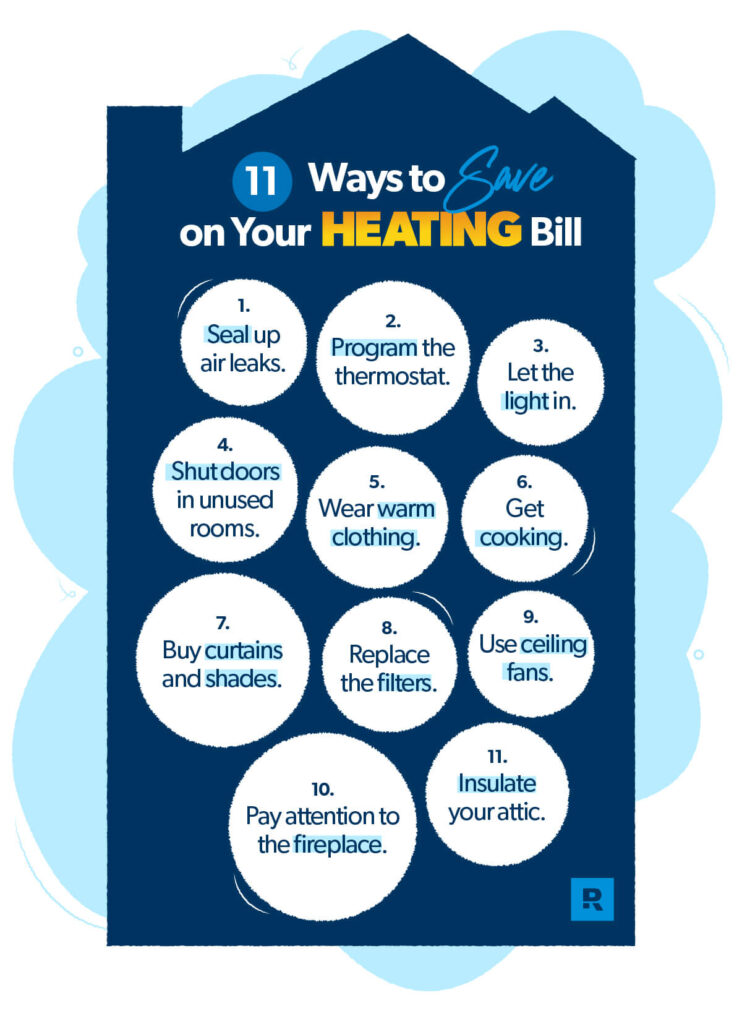
No matter if your heating runs on gas, electricity, or the sheer power of positive thinking (wishful thinking, perhaps!), understanding your system empowers you. It's the first step to making smart choices – sealing drafts, upgrading insulation, or setting that thermostat just right.
Every little bit helps keep those bills manageable and your home delightfully cozy. So, go forth, armed with your newfound knowledge! Stay warm, stay smart, and remember that a little understanding goes a long way in keeping your home comfortable and your wallet happy.
Here's to a warm home, lower bills, and a big, cozy smile on your face! You got this!