
Is Heat Gas Or Electric Bill
Hey there, bill warrior! Ever stared at your monthly statements, squinting like a detective at a tiny clue, and wondered, "Is my heat bill playing hide-and-seek with the gas company or the electric company?" You're definitely not alone, my friend. It’s a common puzzler, right up there with "Where did all my socks go?" and "Did I actually need that impulse buy?"
Well, grab a comfy mug of whatever warms your soul, because we’re about to unravel this mystery with a smile and maybe a chuckle or two. Spoiler alert: the answer isn't always a simple "A" or "B." Sometimes, it's a delightful, energy-efficient "C!"
The Great Divide: Gas vs. Electric
Alright, let’s cut to the chase. When it comes to heating your home, your bill generally comes from one of two main energy sources:
Must Read
- Natural Gas
- Electricity
Think of it like choosing your favorite pizza topping – both can warm you up, but they come with different flavors (and costs!).
Team Gas: The Fiery Dragon Approach
If you're on Team Gas, you're likely rocking a furnace that looks a bit like a sturdy metal robot living in your basement or a utility closet. This friendly robot has one job: burning natural gas to create heat. That heat then gets blown through a network of ducts and vents, warming up your home like a big, cozy hug.
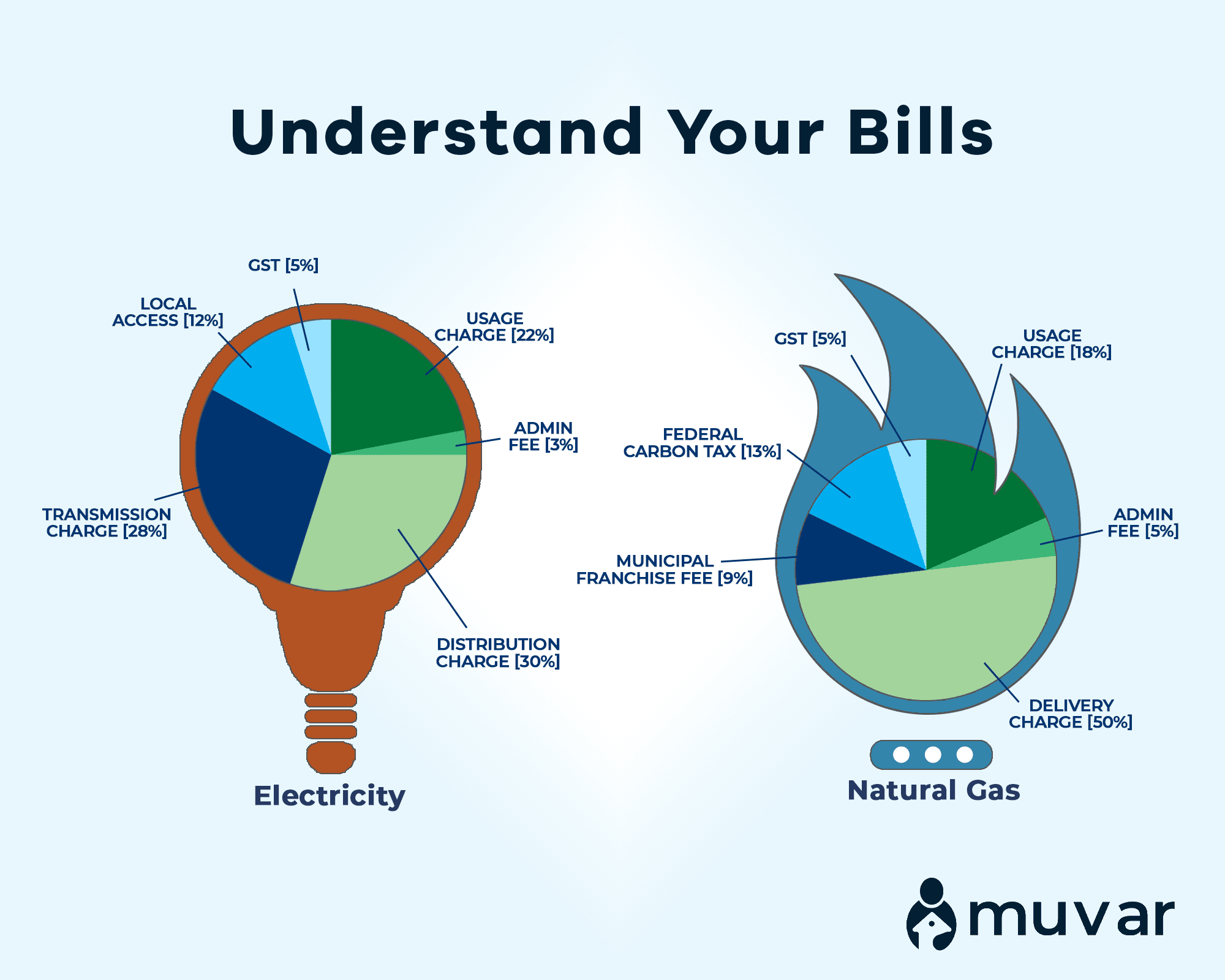
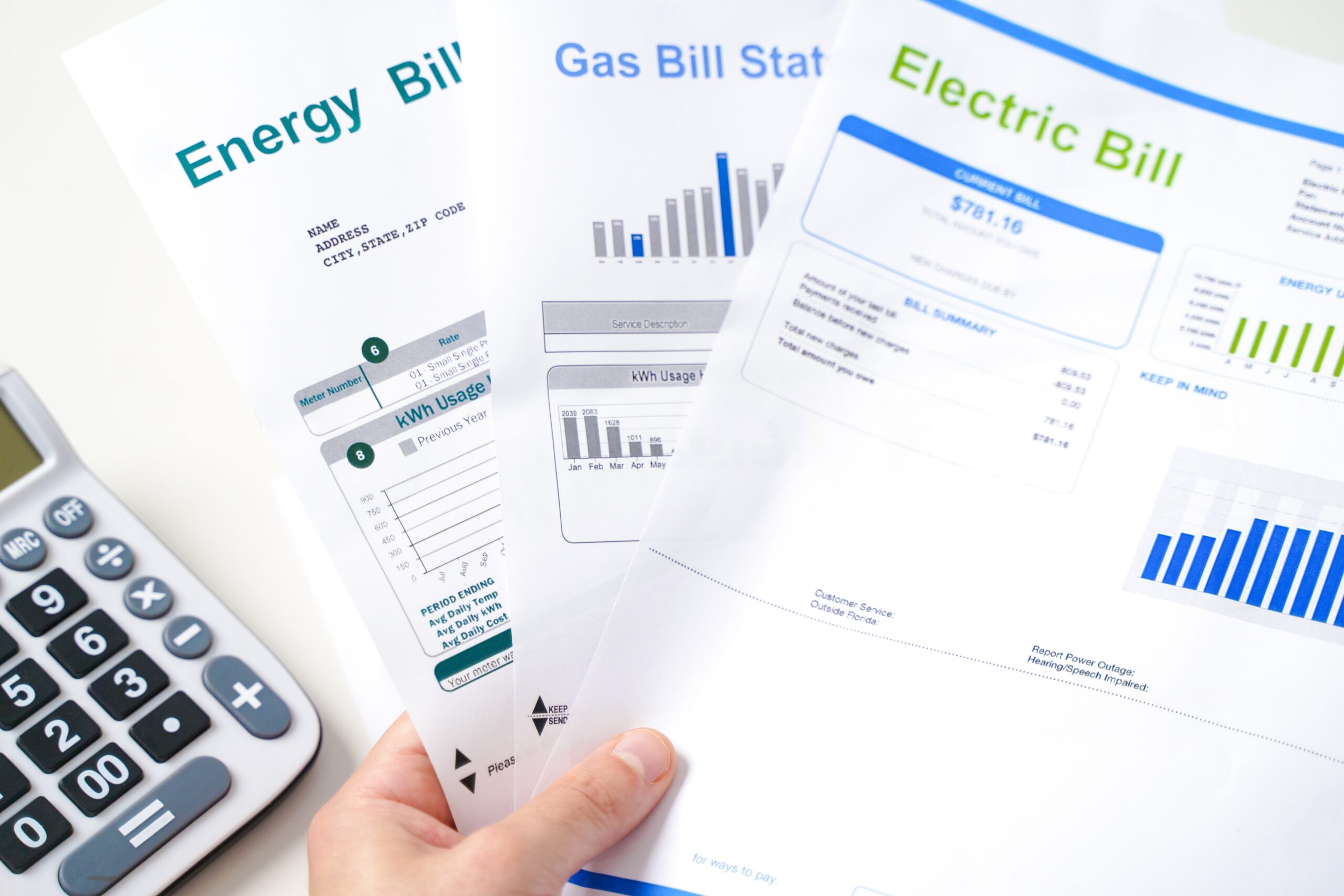
How to spot it: You'll usually have a gas meter outside your house, and your heating costs will show up on a separate bill from a natural gas provider. Sometimes, you'll get a combined utility bill, but it'll have clear line items for gas usage.
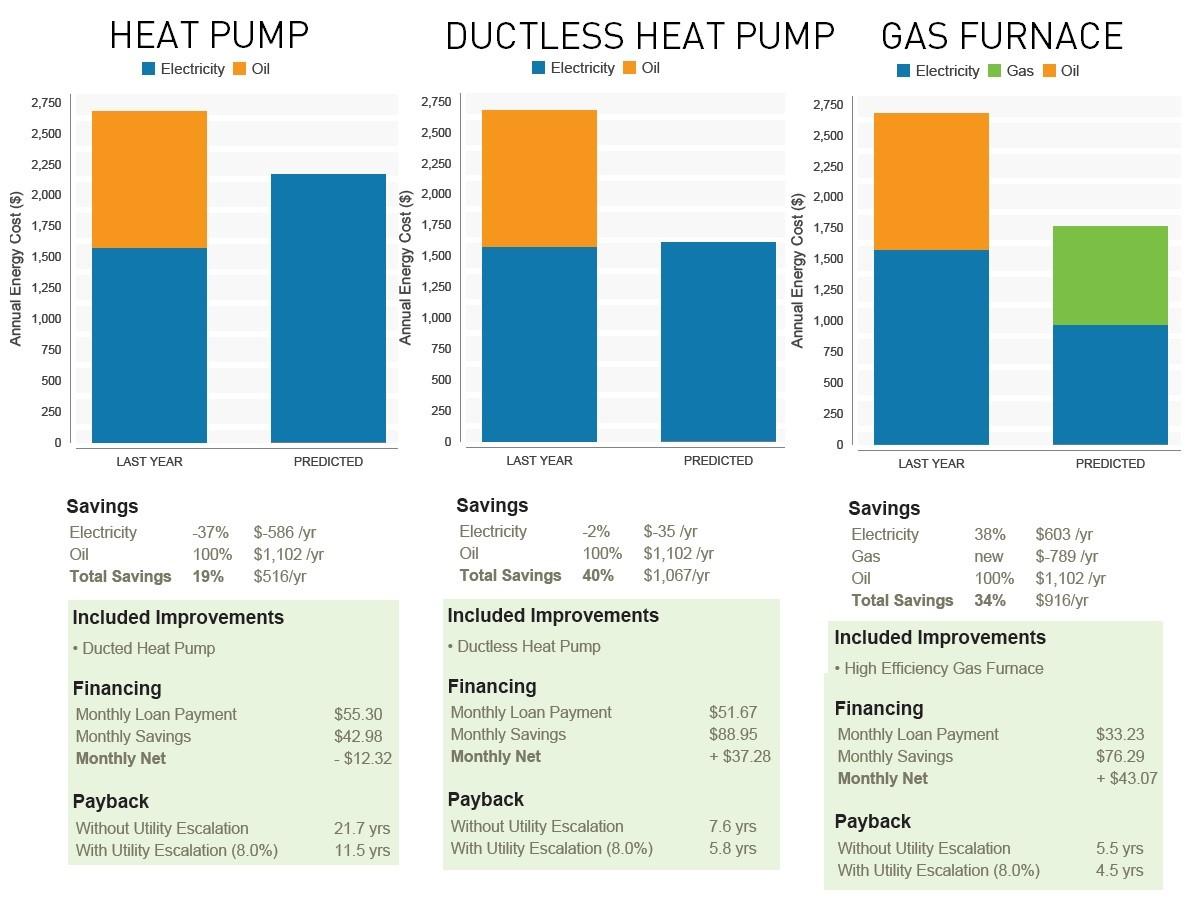
The perks: Gas heating can often be more affordable than electric, especially in areas with competitive gas prices. Plus, many folks swear by the warm, radiant feeling of gas heat.
The quirks: You need a gas line, and there's a tiny (but important!) risk of carbon monoxide if your system isn't properly maintained. So, keep those detectors beeping happily!
Team Electric: The Zippy Zap Approach
Now, if your home is powered by electricity for heat, things can get a little more diverse. You might have:
- Baseboard heaters: Those long, thin heaters usually found under windows that hum a gentle tune while radiating warmth.
- Electric furnaces: Similar to gas furnaces but using electric heating elements instead of burning fuel.
- Space heaters: (Though these are more for supplemental warmth, not whole-house heating, unless you enjoy a very particular kind of "room-by-room" sauna experience.)
How to spot it: Your heating costs will be bundled right into your regular electricity bill. No separate gas company to deal with!
The perks: Electric heat is super clean (no combustion byproducts in your home!), and installation can sometimes be simpler, especially for baseboard units. Plus, you’re not reliant on a gas line.
The quirks: This is where things can get pricey. Heating with resistive electric heat (like baseboards or electric furnaces) can be quite expensive, especially during a cold snap. Your electric meter will be spinning like a happy hamster on a wheel!

The Plot Twist: Enter the Heat Pump!
But wait, there's a modern marvel that complicates things in the best way possible: the heat pump! These clever contraptions are powered by electricity, but they don't just generate heat. Oh no, that's too simple for them.
Instead, a heat pump literally moves heat. In winter, it extracts heat from the outside air (yes, even cold air has some heat!) and transfers it inside. In summer, it reverses the process, moving heat out of your house to cool it down. It's like having a superhero that can magically transport warmth!
The perks: Heat pumps are incredibly energy-efficient, often much more so than traditional electric heating, and they can both heat and cool your home. It’s like getting two appliances for the price of one, which means your electric bill for heating can be much friendlier.
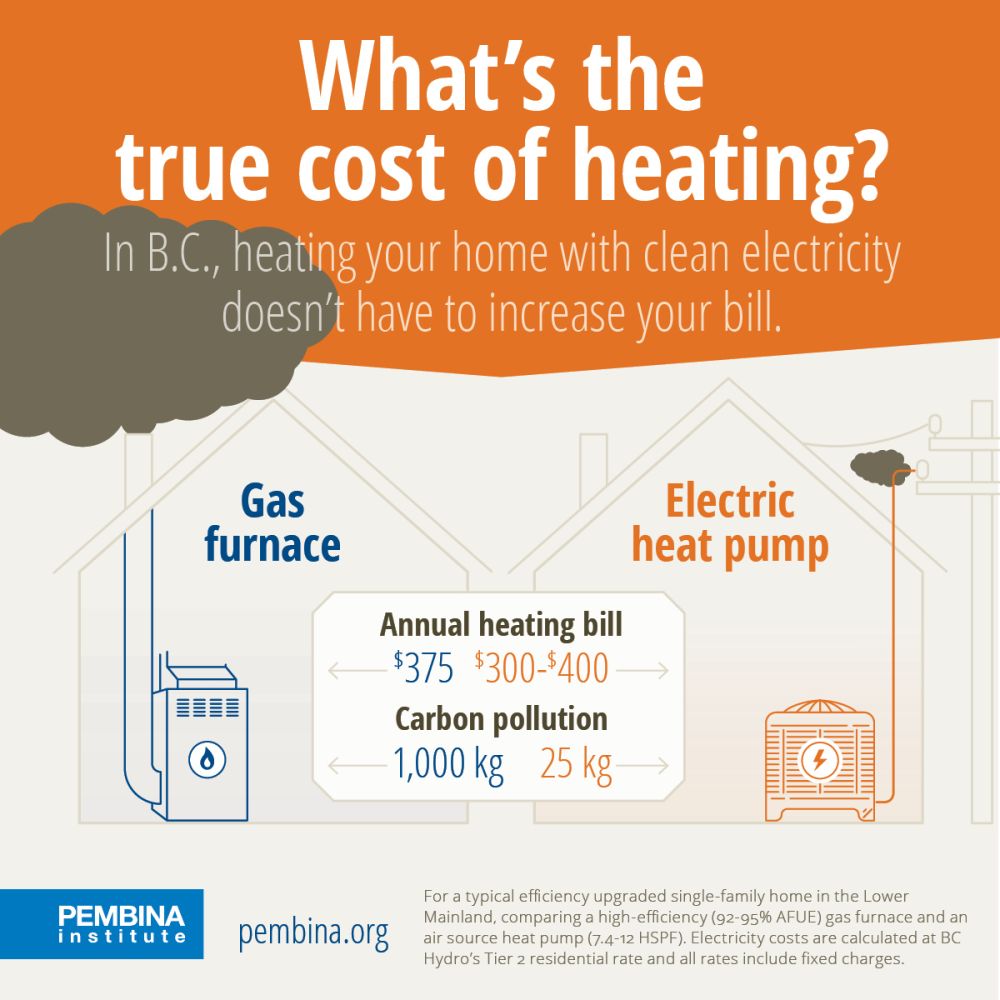
The quirks: They run on electricity, so if your electricity rates are sky-high, it can still add up. But generally, they offer significant savings compared to pure electric resistance heat.
So, Which One Is YOUR Heat?
The easiest way to figure out if your heat is gas or electric is to be a detective in your own home:
- Check your bills: Do you get a separate bill for "natural gas" or "propane"? If so, good chance your main heat source is gas. If not, look for higher electricity usage during colder months.
- Look at your furnace: If you have one, check for a gas line going into it. Or, just look for the brand name and model number and do a quick search online!
- Scan your rooms: Do you have those long baseboard heaters? That's a strong clue for electric heat.
- Inspect your outdoor unit: If you have a large unit outside that looks like an air conditioner but also runs in winter, you likely have a heat pump!
The Uplifting Conclusion!
No matter if your home is heated by the cozy embrace of natural gas, the zippy efficiency of a heat pump, or the straightforward warmth of electric power, understanding your energy source is the first step to becoming a more informed (and potentially budget-savvy!) homeowner. Knowing is half the battle, right?
So go forth, empowered bill-reader! You've just demystified a major chunk of your household expenses. And who knows, maybe this newfound knowledge will even help you find those missing socks. (Okay, probably not, but a person can dream!) Stay warm, stay happy, and keep shining!